
Ripe bananas are a staple in many households, prized for their natural sweetness and versatility in various culinary applications. Understanding what constitutes a ripe banana helps in optimizing their flavor and texture for baking, cooking, or simply enjoying as a snack.
This article explores the characteristics of ripe bananas, their peak season, tips for buying the best fruit, and effective storage methods to maintain their quality. Whether you’re incorporating them into smoothies, breads, or desserts, knowing how to select and store ripe bananas can enhance your cooking experience.
What Is a Ripe Banana?
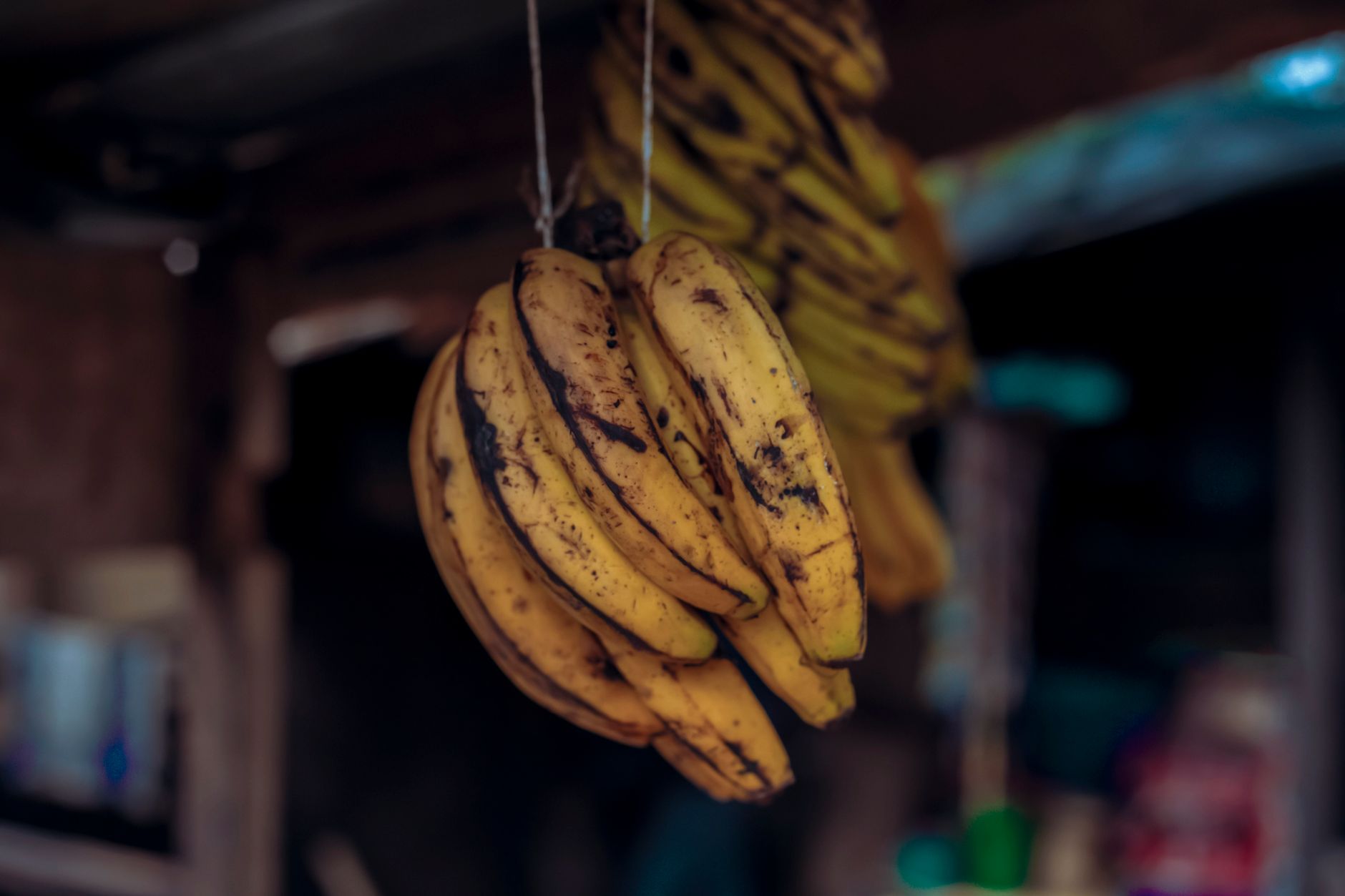
A ripe banana is a banana that has reached its optimal stage of maturity for consumption. Typically, a ripe banana will have a yellow peel with some brown spots, indicating sweetness and softness. This stage is preferred for eating raw, as the sugar content is highest, and the texture is pleasantly soft.
At the ripe stage, bananas have a sweet, creamy flavor and are easier to digest. They are also versatile in the kitchen, suitable for a wide range of recipes, including banana bread and smoothies. Unripe bananas tend to be starchy and hard, while overripe ones can become overly mushy and develop a more intense flavor, often better suited for baking than fresh eating.
Peak Season for Bananas
Bananas are available year-round, but their peak quality varies based on growing regions. Most bananas consumed in the United States are imported from tropical regions such as Central America and the Caribbean. Peak seasons for bananas typically fall in the warmer months, particularly from March to September. During these months, you may find bananas that are fresher and exhibit the best flavor.
Buying Tips for Ripe Bananas
Choosing the right ripe banana can make a significant difference in your culinary endeavors. Here are several tips to help you select the best bananas:
- Color: Look for bananas that are predominantly yellow with a few brown spots. Avoid bananas that are too green or have dark brown or black peels.
- Firmness: Gently squeeze the banana; ripe bananas should yield slightly to pressure but not be overly soft or mushy.
- Size: Choose the size that suits your needs, as smaller bananas are often sweeter and creamier, while larger bananas may require more ripening time.
- Organic vs. Conventional: If possible, choose organic bananas to reduce pesticide exposure, as bananas are often treated with various chemicals during cultivation.
- Buy in Bunches: Bananas ripen at different rates, so buying them in a bunch can provide some that are ripe today and others that will ripen over the week.
Storage Tips for Ripe Bananas
Once you have your ripe bananas, proper storage is essential to prolong their freshness and prevent spoilage. Here are some effective methods for storing ripe bananas:
Room Temperature
If your bananas are at the ripe stage, keeping them at room temperature is ideal. Store them away from direct sunlight and heat sources, as this can cause them to overripe quickly.
Refrigeration
If you have ripe bananas that you cannot consume right away, consider refrigerating them. The skin may turn brown, but the fruit inside will remain fresh for a longer period. The cold temperature slows down the ripening process, extending their shelf life.
Freezing
For those who want to preserve ripe bananas for later use, freezing is an excellent option. Peel the bananas before freezing as the skins become challenging to remove once frozen. Place the peeled bananas in an airtight container or freezer bag to prevent freezer burn. Frozen bananas are perfect for smoothies and baked goods.
Using Ripe Bananas in Recipes
Ripe bananas can transform dishes with their natural sweetness and moisture. Here’s a selection of ways to incorporate them into various recipes:
Banana Bread
Ripe bananas are a key ingredient in banana bread. Their natural sugars add sweetness and their moisture helps keep the bread tender. Aim for bananas that are heavily speckled or even slightly overripe for the best flavor.
Smoothies
Adding ripe bananas to smoothies provides both flavor and creaminess. Blend them with various fruits, such as berries or spinach, for a nutritious snack or breakfast option.
Pancakes and Waffles
Ripe bananas can be mashed and mixed into pancake or waffle batter. Doing so will enhance the flavor and texture of your breakfast, making them fluffy and sweet.
Frozen Treats
Blend ripe bananas with yogurt or milk, pour into molds, and freeze for a refreshing icy treat. This method is particularly great during warm months.
Ripe Banana Desserts
Consider using ripe bananas in desserts like banana pudding, cakes, or muffins. Their sweetness can reduce the need for added sugars in recipes, making your treats more wholesome.
Common Mistakes to Avoid When Handling Ripe Bananas
As with any ingredient, there are common pitfalls to watch for with ripe bananas:
- Choosing Unripe Bananas: If your recipe calls for ripe bananas and you use unripe ones, the texture and flavor of your dish may be affected dramatically.
- Improper Storage: Storing bananas in the fridge prematurely can hinder the ripening process. Only refrigerate them once they’re ripe.
- Neglecting Overripe Bananas: Instead of throwing them away, utilize overripe bananas in baking or smoothies. They can add necessary sweetness without the extra sugar.
Substitutions and Variations Using Ripe Bananas
Ripe bananas can serve as a versatile substitute in various recipes. Here are some common substitutions:
- Purées: Use mashed ripe bananas as a substitute for sugar or fat in baked goods. Typically, one banana replaces approximately a third of a cup of sugar.
- Eggs: For a vegan alternative, one medium mashed banana can replace one egg in recipes like pancakes and muffins, contributing moisture and binding properties.
- Flour Alternative: In gluten-free recipes, ripe bananas can act as a binder and add nutrition to dishes that utilize alternative flours.
Conclusion and Key Takeaways
Ripe bananas are not only delicious but also incredibly versatile in the culinary world. By understanding how to choose, store, and utilize ripe bananas, you can enhance your cooking and baking experiences. Remember to look for the right color, avoid improperly stored fruit, and embrace their sweetness in various recipes.
For additional insights into the nutritional benefits and general information about bananas, you might find these resources helpful: Fiber Content in Bananas and Complete Guide to Bananas.