
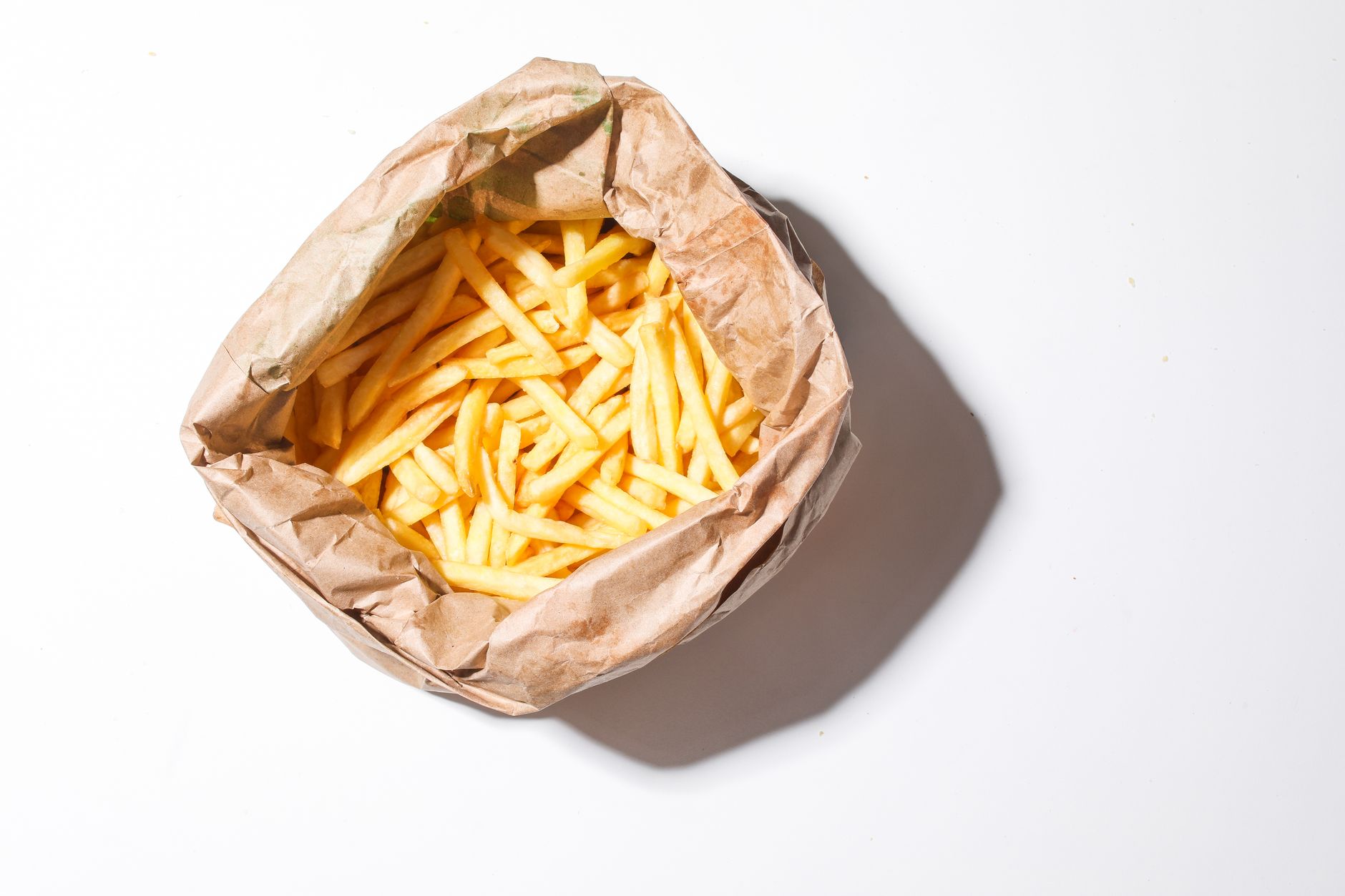
Fries in the bag is a phrase that captures a unique culinary experience, often associated with casual dining and fast food culture. This term evokes a sense of simplicity and comfort while also hinting at deeper meanings within food traditions and practices. Let’s explore the origins of this expression and what it signifies in various contexts, from popular dishes to cultural implications.
The concept of fries in the bag relates primarily to how fries are served and enjoyed, often reflecting the relaxed nature of enjoying food on-the-go. This article aims to decode the nuances behind this phrase, focusing on different aspects like the history of French fries, their preparation, and the cultural relevance as well as variations of serving fries.
What Does Fries In The Bag Mean?
The term “fries in the bag” typically refers to the way French fries are served, often in a paper or plastic bag rather than a plate. This method of serving highlights the casual element of fast food dining and is commonly found in food trucks, street vendors, and fast-food restaurants. The phrase also symbolizes a carefree approach to eating, allowing diners to indulge in delectable fries wherever and whenever they choose.
The History of French Fries
To understand “fries in the bag,” it’s essential to delve into the history of French fries themselves. The origins of fries remain somewhat contentious, with both Belgium and France claiming to have invented them. The first recorded mention of fried potatoes dates back to the 1600s in Belgium, where villagers would fry thinly sliced potatoes in oil.
French fries gained popularity in the United States after World War I, when American soldiers tasted them in Belgium. They brought the concept back home, sparking the fast-food phenomenon that continues to grow today.
The Making of Classic French Fries
French fries have a few essential elements: potatoes, oil, and seasoning. While the preparation can vary, the basic steps usually remain consistent:
- Choose the right variety of potato, commonly Russets or Yukon Golds, known for their starchiness.
- Slice the potatoes into uniform sticks, typically around 1/4 inch thick.
- Soak the potato sticks in water for at least 30 minutes to reduce starch and prevent them from sticking together.
- Dry the fries thoroughly to ensure they crisp up nicely when fried.
- Heat oil to around 350°F (175°C) in a deep fryer or heavy-bottomed pot.
- Fry the potatoes in batches, ensuring they do not overcrowd the pan, until they are golden and crisp.
- Drain on paper towels and sprinkle with salt immediately.
Fried Food Culture: Beyond Just French Fries
While “fries in the bag” directly refers to French fries, it’s worth noting that fried foods often share similar serving styles. Various global fried dishes carry comfort, nostalgia, and culinary creativity, inviting diners to explore beyond traditional fries.
Global Variations of Fried Potatoes
- Patatas Bravas: A Spanish dish typically served with a spicy tomato sauce.
- Pommes Frites: The French version of fries, often served with mayonnaise.
- Chips: In the UK, referred to as thick-cut fries, often enjoyed with fish and malt vinegar.
- Aloo Tikki: Indian spiced potato cakes that are fried and often served with chutney.
Common Ways Fries Are Served
The versatility of fries extends far beyond serving them plain. The concept of “fries in the bag” opens doors to various serving styles that cater to differing preferences and culinary creativity. Below are some popular methods for serving fries:
Loaded Fries
Loaded fries have become a staple in many eateries, featuring toppings like cheese, bacon, jalapeños, and sour cream. The fancy presentation enhances the appeal, making it a decadent dish while retaining the original charm of fries in a bag.
Fries with Dips
Offering an array of dipping sauces elevates the fries in the bag experience. Some popular dips include:
- Ketchup
- Mayo or aioli
- Ranch dressing
- Barbecue sauce
- Buffalo sauce
Fries as a Side Dish
Fries served alongside burgers, sandwiches, or fried chicken reflect a traditional fast-food duo while emphasizing their popularity. Dining establishments often focus on portion sizes and plating to complement the main dish, creating a well-rounded meal experience.
Creating Your Own Fries In The Bag Experience
Recreating the “fries in the bag” experience at home can be a fun and rewarding activity. Here are some steps you can follow to make your own delicious fries to enjoy on the go.
The Perfect Homemade Fries Recipe
This recipe yields about 4 servings. Estimated preparation time is 15 minutes, with a cooking time of 30 minutes, making a total of about 45 minutes.
- 2 large Russet potatoes
- Oil for frying (e.g., vegetable, canola, or peanut oil)
- Salt to taste
Essential Equipment
- Deep fryer or heavy-bottomed pot
- Cutting board and knife
- Colander
- Paper towels
- Tempt emperature thermometer (optional)
Step-by-Step Method
- Wash and peel the Russet potatoes, cutting them into uniform sticks.
- Soak the sliced potatoes in cold water for at least 30 minutes.
- Drain the water and dry the potatoes thoroughly with paper towels.
- Heat the oil in a deep fryer or pot to around 350°F (175°C).
- Fry the potatoes in batches for about 5-7 minutes or until golden brown.
- Remove from the oil and place on paper towels to drain excess oil.
- Season with salt before serving.
Potential Mistakes to Avoid When Making Fries
Even with a basic recipe, several common mistakes can affect your fries’ final texture and taste. Here are critical areas to be attentive to:
- Skipping the Soaking Process: Soaking helps remove excess starch, which prevents fries from being crisp.
- Overcrowding the Pan: Adding too many fries at once can lower oil temperature and lead to soggy fries.
- Insufficient Drying: If fries are too wet before frying, they will absorb more oil and become greasy.
Cooking Variations and Substitutions
While classic French fries are always a hit, the preparation can always be adapted based on dietary preferences or ingredient availability. Here are some ideas to create variations.
Sweet Potato Fries
For a healthier twist, substitute regular potatoes with sweet potatoes. Sweet potato fries add a rich flavor and vibrant color while being slightly sweeter.
Oven-Baked Fries
If frying is not your preference, opt for oven-baked fries. Toss the cut potatoes with oil and seasonings, spread them on a baking sheet, and bake at 425°F (220°C) for about 25-30 minutes, flipping halfway through.
Herb-Infused Fries
For added flavor, toss your fries with fresh herbs like rosemary or thyme during the last couple of minutes of frying or baking.
Storing and Reheating Fries
If you have leftover fries, proper storage can help maintain their texture and flavor. Store fries in an airtight container in the refrigerator for up to 3 days.
When reheating, for the best results, use an oven or an air fryer to restore their crispiness. Preheat your air fryer to 350°F (175°C) and heat for about 5-8 minutes until warm.
Cultural Significance of Fries in the Bag
The phrase “fries in the bag” also represents more than just food; it speaks to an informal and relaxed dining culture prevalent in many regions. The availability of fries from small vendors often embodies local culinary pride and a sense of community.
This casual way of serving food encourages social interactions and brings people together, making a bag of fries a shared delight rather than just an individual snack. Whether eaten on bustling city streets or at backyard barbecues, fries in the bag symbolize comfort, indulgence, and casual dining.
Conclusion
Understanding “fries in the bag” allows people to appreciate not only the food itself but also the culture surrounding it. The next time you indulge in a bag of fries, remember the journey and enjoy the delightful crunch and flavors that make this simple dish a global favorite.
For more innovative ways to use fries, check out our loaded fries recipe or try making chili cheese fries to elevate your next serving of this beloved dish!