
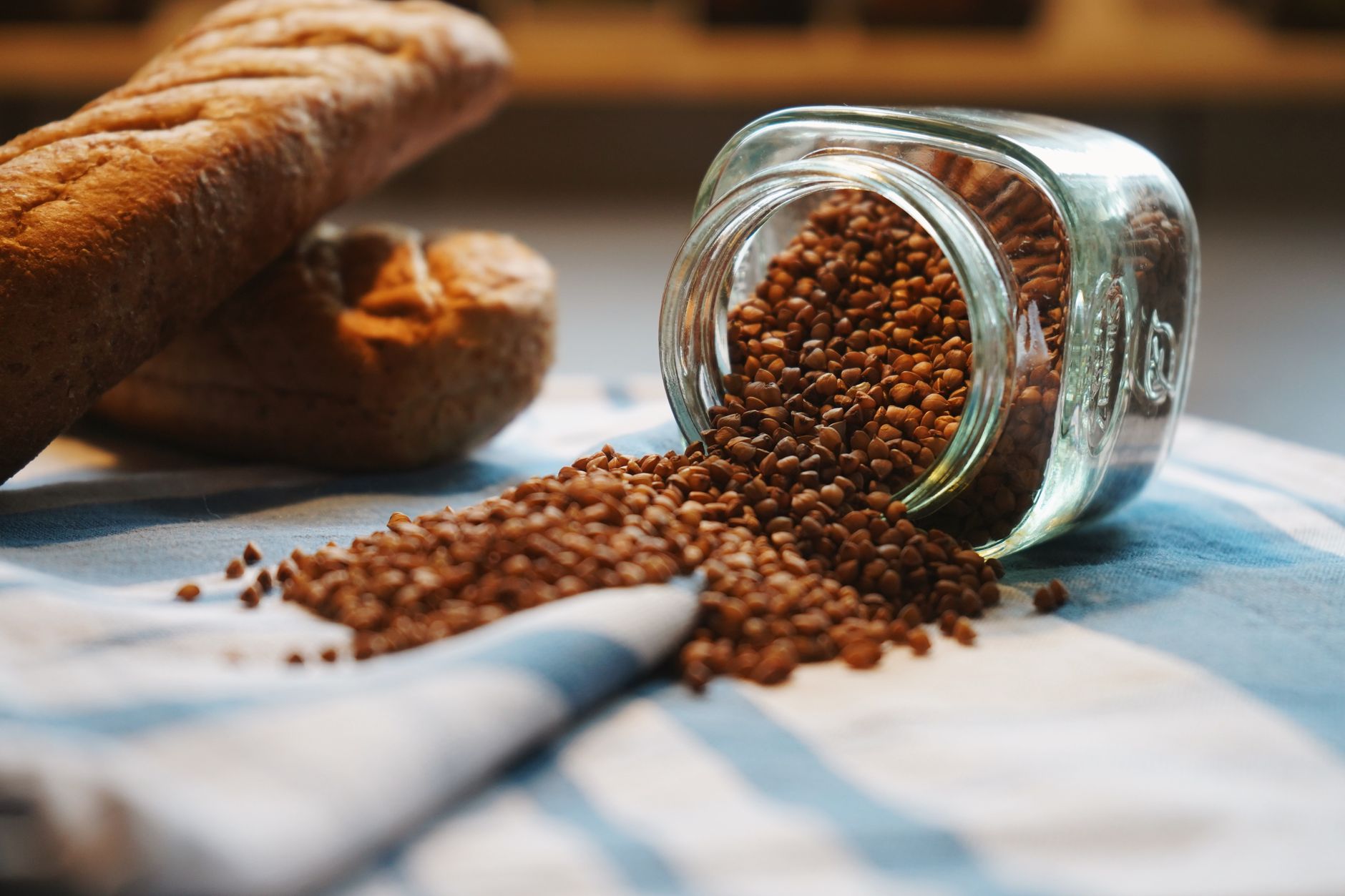
Buckwheat is a versatile grain-like seed that has gained popularity for its unique flavor and numerous culinary uses. Many people wonder if buckwheat is gluten-free, especially those with gluten sensitivities or celiac disease. This article will clarify the gluten-free status of buckwheat and provide tips on how to use it effectively in your cooking.
Understanding buckwheat’s properties and its interactions with other ingredients is essential for creating delicious and safe meals. We’ll explore buckwheat’s nutritional benefits, various forms, and how to read labels effectively when shopping for this ingredient.
Is Buckwheat Gluten-Free?
Yes, buckwheat is gluten-free. It is derived from the seeds of the Fagopyrum esculentum plant and is not related to wheat or any other gluten-containing grains. This makes it a safe option for those who need to avoid gluten, such as individuals with celiac disease or gluten intolerance. However, cross-contamination can occur during processing, so proper label reading is essential.
What Is Buckwheat?
Buckwheat is often mistaken for a grain but is actually a pseudocereal. It is rich in protein, fiber, and essential minerals like magnesium, iron, and zinc. Its nutty flavor and versatility make it a popular choice in various cuisines, especially in Asian and Eastern European dishes. Buckwheat can be consumed in several forms, including:
- Buckwheat Groats: The hulled seeds of buckwheat, which can be cooked as cereal or used in salads.
- Buckwheat Flour: A finely milled powder used for baking pancakes, bread, or noodles.
- Buckwheat Noodles: Commonly known as soba noodles, made from buckwheat flour.
Nutritional Benefits of Buckwheat
Buckwheat offers numerous health benefits. Here’s a closer look at its nutritional profile:
- High in Protein: Buckwheat provides all nine essential amino acids, making it a complete protein source.
- Rich in Fiber: This contributes to digestive health and can help maintain a healthy weight.
- Low Glycemic Index: Buckwheat has a low glycemic index, making it a suitable choice for those managing blood sugar levels.
- Antioxidants: Buckwheat is rich in flavonoids, which can help reduce inflammation and improve heart health.
How to Cook with Buckwheat
Cooking with buckwheat can enhance your meals and provide a nutritious alternative to conventional grains. Here are some practical steps on how to prepare it:
Cooking Buckwheat Groats
- Rinse: Start by rinsing 1 cup of buckwheat groats under cold water to remove any dust.
- Boil: Bring 2 cups of water or broth to a boil in a pot.
- Simmer: Add the rinsed groats to the boiling water. Reduce the heat to low, cover, and simmer for 10-15 minutes or until the water is absorbed and the groats are tender.
- Fluff: Remove from heat and let them sit covered for an additional 5 minutes. Fluff with a fork before serving.
Using Buckwheat Flour
Buckwheat flour can be a fantastic alternative in baking and cooking. Below is a simple guide for using it:
- For Pancakes: Mix 1 cup of buckwheat flour with 1 cup of milk (or a dairy-free alternative), 1 egg, and 1 tablespoon of baking powder. Cook on a greased skillet over medium heat until bubbles form, then flip and cook the other side.
- For Baking Bread: Use a combination of buckwheat flour and other gluten-free flours (like almond or coconut flour) in recipes. A standard ratio is 1 part buckwheat flour to 2 parts gluten-free flour for better structure.
Label Reading for Buckwheat Products
When purchasing buckwheat products, it’s crucial to read labels carefully. Here are some tips to ensure your buckwheat purchase is safe and truly gluten-free:
- Look for Certifications: Check for gluten-free certifications from recognized organizations.
- Review Ingredients: Ensure buckwheat is the primary ingredient and that no gluten-containing grains are listed.
- Avoid Bulk Bins: Unless you are sure about cross-contamination controls, it’s best to avoid purchasing buckwheat from bulk bins in grocery stores.
Storage Tips for Buckwheat
Proper storage of buckwheat is vital to prolong its shelf life and maintain freshness. Here are some recommendations:
- Whole Groats: Store in an airtight container in a cool, dark place. They can last up to 1 year.
- Buckwheat Flour: Store in the refrigerator or freezer for optimal freshness, as it can go rancid more quickly due to its oil content. Use within 6 months to 1 year for best quality.
Common Buckwheat Substitutes
If you can’t find buckwheat or need to switch it out, here are some suitable substitutes:
- Quinoa: A gluten-free grain with a similar protein profile, making it a great alternative in salads and side dishes.
- Millet: This grain has a mild flavor and cooks similarly to buckwheat, ideal for porridge or grain bowls.
- Brown Rice Flour: Can be used for baking but might result in a slightly different flavor. Adjust moisture content as necessary.
Common Mistakes When Cooking with Buckwheat
To avoid issues while cooking with buckwheat, keep these common mistakes in mind:
- Not Rinsing: Failing to rinse buckwheat groats can result in a gritty texture. Always rinse before cooking.
- Overcooking: Cooking buckwheat for too long can result in mushy groats. Monitor the cooking time closely.
- Ignoring Flavor Profiles: Buckwheat has a distinct nuttiness. Pair it with flavors like herbs, nuts, and spices to enhance your dishes.
Delicious Buckwheat Recipes to Try
1. Buckwheat Salad
This hearty salad combines cooked buckwheat with fresh vegetables, herbs, and a tangy dressing.
- 1 cup cooked buckwheat
- 1 cup diced cucumbers
- 1 cup cherry tomatoes, halved
- 1/4 cup chopped parsley
- Juice of 1 lemon
- Salt and pepper to taste
- In a large bowl, combine cooled cooked buckwheat, cucumbers, tomatoes, and parsley.
- Drizzle with lemon juice, and season with salt and pepper.
- Toss well and serve chilled.
2. Buckwheat Pancakes
This easy recipe yields fluffy buckwheat pancakes perfect for breakfast or brunch.
- 1 cup buckwheat flour
- 2 tablespoons sugar
- 1 teaspoon baking powder
- 1 cup milk (or dairy-free alternative)
- 1 large egg
- Pinch of salt
- In a bowl, mix together the flour, sugar, baking powder, and salt.
- Add the milk and egg, whisking until smooth.
- Heat a skillet over medium heat and lightly grease.
- Pour 1/4 cup of batter onto the skillet and cook until bubbles form, then flip and cook until golden brown.
Final Thoughts
Buckwheat is a nutritious, gluten-free ingredient that can enhance various dishes across global cuisines. Understanding its properties and learning how to use it effectively can open up new culinary opportunities. Whether you enjoy it in a salad, pancake, or as a side, buckwheat is an excellent addition to a gluten-free diet.
For a delightful twist on traditional dishes, consider trying a gluten-free gnocchi recipe or a gluten-free waffle recipe to expand your culinary repertoire with buckwheat. These dishes offer delicious new ways to incorporate this versatile ingredient into your meals.