
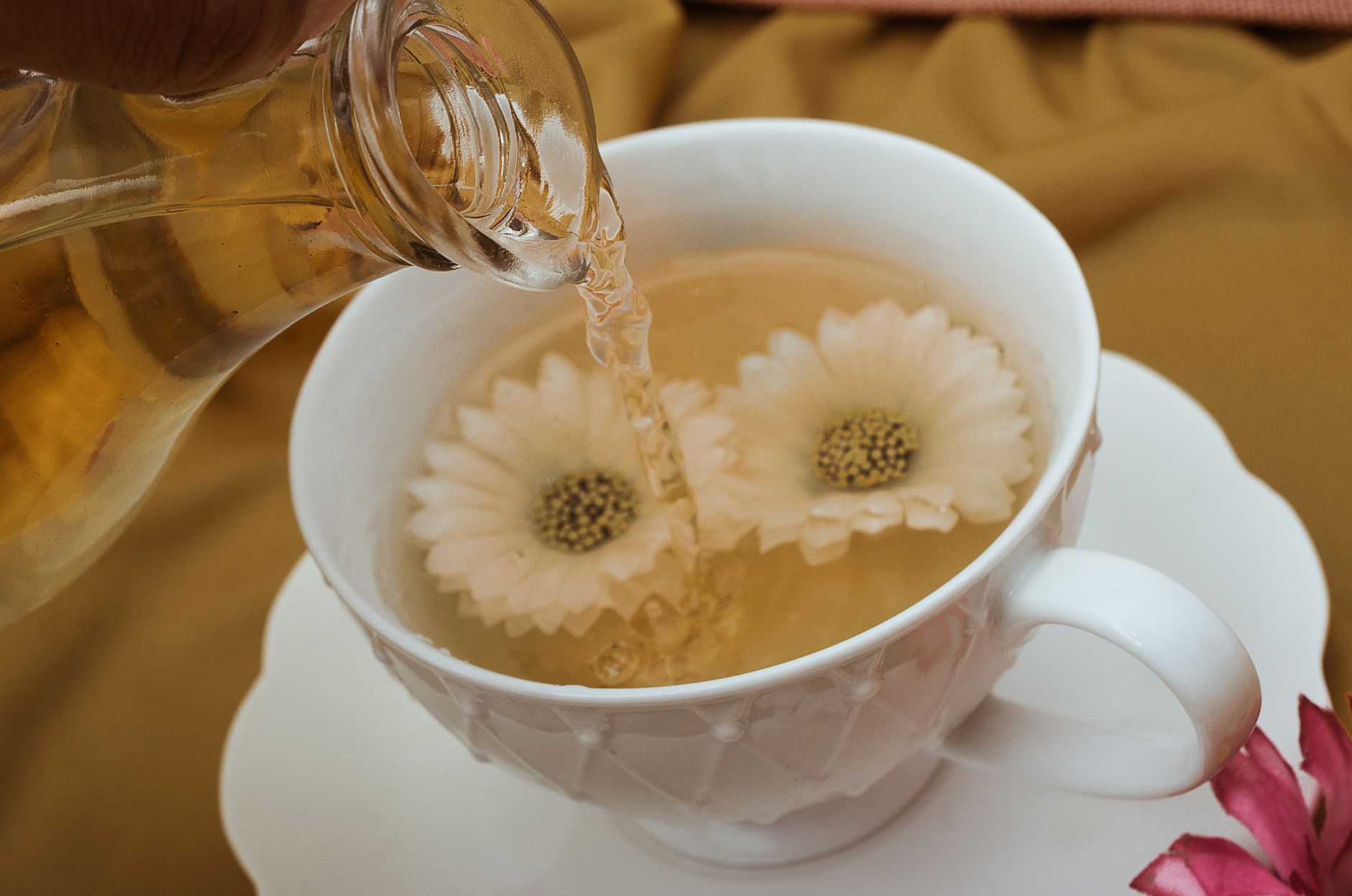
Chamomile tea is a beloved herbal infusion known for its calming properties and delicate floral flavor. Made from the dried flowers of the chamomile plant, this tea has been enjoyed for centuries, not only for its taste but also for its potential health benefits. Understanding what chamomile tea does for you can enhance your appreciation of this soothing drink and its place in a balanced diet.
Whether you’re looking to unwind after a long day or seeking natural remedies for common ailments, chamomile tea may provide various benefits. In this article, we will explore the many uses of chamomile tea, its key facts, and practical applications in daily life.
What Does Chamomile Tea Do for You?
Chamomile tea is known for its soothing effects, which may help reduce anxiety, improve sleep quality, and alleviate digestive issues. Its natural properties make it a popular choice for many seeking relief from stress and tension, while its mild flavor makes it a delightful beverage.
Key Ingredients and Components
The primary ingredient in chamomile tea is the flowers of the chamomile plant, specifically from the species Matricaria chamomilla and Chamaemelum nobile. These flowers contain several beneficial compounds, including:
- Flavonoids: Antioxidants that may help reduce inflammation and support overall health.
- Apigenin: A compound that may promote relaxation and improve sleep quality.
- Bisabolol: Known for its calming and soothing properties, often used in skincare products.
Health Benefits of Chamomile Tea
While research on chamomile tea is ongoing, several preliminary studies and anecdotal evidence suggest its potential benefits for various health concerns.
1. Promotes Relaxation and Reduces Stress
One of the most commonly cited benefits of chamomile tea is its ability to promote relaxation. The apigenin in chamomile binds to certain receptors in the brain, which may reduce anxiety and help foster a sense of calm. Many people enjoy a cup of chamomile tea before bed to support a peaceful night’s sleep.
2. Supports Better Sleep
Chamomile tea has been traditionally used as a natural remedy for sleep issues. Its calming properties may help individuals fall asleep faster and enjoy improved sleep quality. Drinking chamomile tea an hour before bedtime can help signal your body that it’s time to wind down.
3. Aids Digestion
This herbal tea is also known to soothe digestive discomfort. Chamomile tea may help relieve symptoms such as bloating, gas, and indigestion. Its anti-inflammatory properties can contribute to a healthier digestive tract, making it a great choice after meals.
4. Supports Immune Health
Chamomile contains antioxidants that can help boost the immune system. Regular consumption of chamomile tea may offer protective benefits against common colds and infections, particularly during the colder months.
Chamomile Tea in Your Kitchen
In addition to its health benefits, chamomile tea can be incorporated into various culinary applications. Here are some ways you can use chamomile tea in your kitchen:
1. As a Flavoring Agent
Chamomile tea can add a unique floral note to various dishes and beverages. Consider using brewed chamomile tea as a base for:
- Soups and broths
- Sauces and dressings
- Rice or grain dishes
2. Chamomile Tea in Baking
Chamomile tea can be used in baking to impart a subtle flavor to desserts. Try substituting brewed chamomile tea for the liquid in recipes for:
- Cakes and muffins
- Cookies
- Puddings and custards
3. Iced Chamomile Tea
In warmer months, consider making iced chamomile tea. Brew a stronger infusion, allow it to cool, and then serve over ice with a splash of lemon or honey for a refreshing beverage.
How to Brew Chamomile Tea
Brewing chamomile tea is a simple process that ensures you can enjoy its benefits at home. Here’s how to make a perfect cup:
Ingredients
- 1 tablespoon dried chamomile flowers or 1 chamomile tea bag
- 1 cup boiling water
- Optional: honey, lemon, or your favorite sweetener
Equipment
- Teapot or cup
- Strainer (if using loose flowers)
Method
- Boil water until it reaches a rolling boil.
- Add the chamomile flowers or tea bag to the teapot or cup.
- Pour the boiling water over the chamomile.
- Cover and let steep for 5 to 10 minutes, depending on your flavor preference.
- If using loose flowers, strain the tea into another cup. If using a tea bag, simply remove it.
- Add honey or lemon, if desired, and savor the soothing flavor.
Common Mistakes When Brewing Chamomile Tea
A few common errors can affect the quality of your chamomile tea experience. Here are some pitfalls to avoid:
- Using water that’s too hot: Overly boiling water can scorch the delicate flowers and lead to a bitter taste.
- Not steeping long enough: Insufficient steeping time can result in a weak flavor; steep for at least 5 minutes.
- Using poor-quality flowers: Always opt for high-quality, organic dried chamomile for the best flavor and health benefits.
Practical Tips for Using Chamomile Tea
Here are some additional tips for incorporating chamomile tea into your lifestyle:
- Drink regularly: To experience the full benefits, consider making chamomile tea a part of your daily routine.
- Experiment with blends: Chamomile pairs well with other herbal teas, such as peppermint or lavender, for enhanced flavors and effects.
- Store properly: Keep dried chamomile flowers in an airtight container in a cool, dark place to maintain freshness.
Chamomile Tea and Potential Side Effects
While chamomile tea is generally considered safe, some individuals may experience allergic reactions, especially those with allergies to plants in the daisy family. Consuming chamomile tea in moderation is key, and it’s always advisable to consult a healthcare professional if you have concerns—especially if you’re pregnant, nursing, or taking medications.
Conclusion
Chamomile tea serves as a soothing beverage, offering numerous health benefits and culinary uses. Its calming properties make it ideal for relaxation and sleep, while its flavor can enhance a variety of dishes. With minimal preparation and accessible ingredients, chamomile tea can easily become a staple in your kitchen. For those looking to dive deeper into herbal remedies, explore recipes like Dandelion Tea or discover a delicious dessert with Chia Pudding with Coconut Milk.