
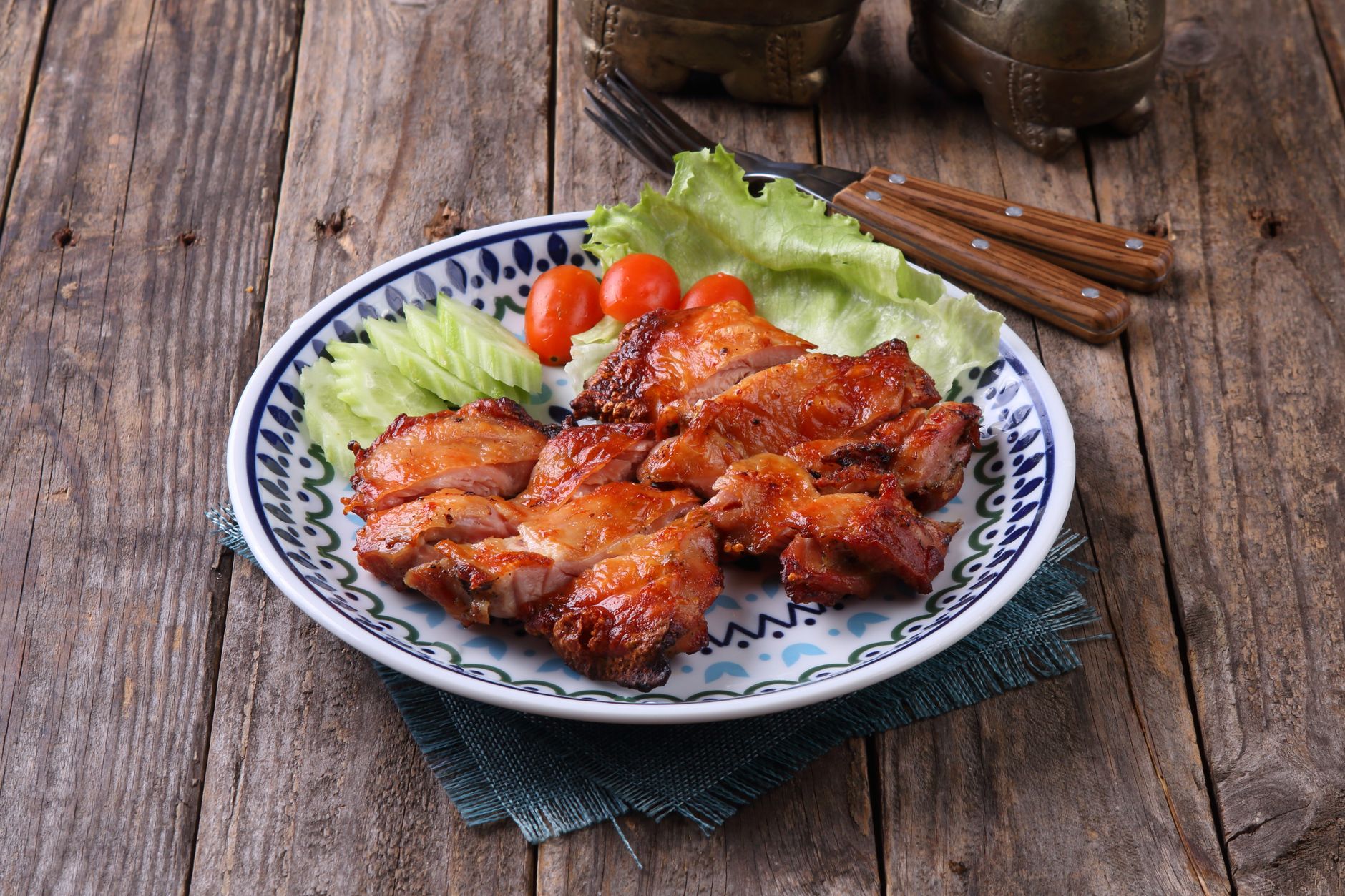
Broiling is a cooking technique that employs high, direct heat to quickly cook food, giving it a pleasing char and distinct flavor. This method is often used for meats and vegetables, producing crispy exteriors while retaining moisture inside. Understanding broiling can expand your cooking abilities and elevate your meals.
In this article, we’ll explore what broiling means, its origins, how to effectively use this technique in your kitchen, and some traditional dishes that prominently feature broiling. Whether you’re a novice cook or an experienced chef, broiling can add a new dimension to your culinary repertoire.
What Does Broiled Mean?
Broiling refers to cooking food with high, direct heat from above, typically in an oven’s broiler. The intense heat causes the surface of the food to brown and crisp, creating unique flavors and textures. This method is particularly effective for cooking tender cuts of meat, fish, and vegetables.
Broiling can be done in gas or electric ovens, and many home ovens feature a dedicated broiler section beneath the main oven or as a top element. Understanding how to master the broiling technique enables cooks to prepare delicious meals quickly and efficiently.
Origins of Broiling
The concept of cooking with high heat can be traced back to ancient civilizations. Cooking meat over an open flame has been a staple method since prehistoric times, leading to the development of various techniques, including broiling. The term “broil” has roots in the Latin word “brullare,” which means “to burn.” Historically, broiling was used not only for meat but also for fish and vegetables, showcasing its versatility.
As kitchen technology evolved, broiling methods became more refined. The introduction of indoor ovens and broilers allowed for greater control over cooking temperatures. Today, broiling is an essential technique in many culinary traditions worldwide, from American and European to Asian cuisines.
How to Broil: The Technique Explained
Broiling is a straightforward cooking technique that can produce impressive results. Here’s a detailed guide on how to broil effectively.
1. Preparing Your Oven
- Know Your Oven: Make sure your oven has a broiler setting. Familiarize yourself with its location—some are located at the top of the oven, while others may be a separate compartment below the main oven.
- Preheat the Broiler: Preheat your broiler for about 5 to 10 minutes. Most ovens have a broil setting that will indicate when it is at the optimal temperature.
2. Preparing Food for Broiling
- Choose Your Ingredients: Ideal candidates for broiling include thin cuts of meat, fish, and vegetables. Ingredients like chicken breasts, steaks, salmon, asparagus, and peppers work well.
- Season Your Food: Apply olive oil, marinades, or dry spices to enhance the flavors. A little fat will help achieve a golden-brown crust, while salt and spices can flavor the dish.
- Place Food on a Broiler Pan: Use a broiler pan or an oven-safe frying pan. The slotted design of a broiler pan allows fat to drip away, preventing steaming while allowing for an even cook.
3. Broiling Process
- Adjust Rack Position: Position the oven rack about 4 to 6 inches from the heating element for the best results. Adjust depending on the thickness of the food and how quickly you want it to cook.
- Cook Time: Broiling is fast. Lean cuts may take just a few minutes. Keep a close eye on your food to avoid burning. Use visual cues: the food should brown and the edges will crisp.
- Use a Meat Thermometer: For meats, ensure they reach the appropriate internal temperature (145°F for fish, 165°F for chicken, and variable temperatures for red meat). This ensures the safety of the dish.
4. Finishing Up
- Check for Doneness: If you’re unsure, poke the meat with a fork—juices should run clear, and there should be no raw center.
- Remove and Rest: Take the food out of the oven carefully. Allow it to rest for a few minutes before serving. This helps juices redistribute and enhances flavor.
Broiling vs. Grilling: Understanding the Differences
While broiling and grilling involve high heat and quick cooking, they differ in technique and heat source.
- Heat Source: Broiling uses heat from above, while grilling applies heat from below.
- Equipment: Broiling is done in an oven, while grilling typically requires an outdoor grill or a stovetop grilling pan.
- Flavor Development: Both methods can yield great flavor, but grilling often imparts a smokier taste due to the open flames and charcoal typically used.
Common Mistakes When Broiling
Learning to broil effectively comes with some common pitfalls. Acknowledging these can help you achieve better results:
- Not Preheating: Preheating the broiler ensures even cooking. Never skip this step.
- Overcrowding the Pan: Give your food space. Overcrowding can lead to uneven cooking and steaming instead of broiling.
- Ignoring Doneness: Keep an eye on food while it broils. Since broiling is quick, you can easily burn it if you leave it unattended.
- Not Using a Thermometer: A meat thermometer is essential for ensuring foods are cooked safely and to your desired doneness.
Flavoring: Marinades and Seasonings for Broiling
Enhancing the flavor of broiled dishes is easy with the right seasonings and marinades. Here are some popular options:
1. Marinades
Marinades not only flavor but can also tenderize meats. Popular marinade components include:
- Acid: Lemon juice, vinegar, or yogurt to provide tang and tenderization.
- Oil: Olive oil or sesame oil to add richness.
- Herbs and Spices: Fresh or dried herbs like thyme, rosemary, and spices like paprika or cumin for added layers of flavor.
2. Simple Seasonings
If you prefer simplicity, a sprinkle of salt and pepper can be enough. Consider finishing with:
- Fresh Herbs: Sprinkle chopped herbs like parsley or cilantro after broiling for a bright flavor boost.
- Finishing Sauces: Drizzles of balsamic glaze or pesto can elevate the dish.
Broiling Traditional Dishes Around the World
Broiling features prominently in many national cuisines. Here are a few traditional dishes that highlight this cooking technique:
1. Broiled Lobster Tail
Broiled lobster tail is a luxury dish featuring tender lobster meat cooked under a broiler, often topped with herb butter.
2. Steak Frites
This French dish features a perfectly broiled steak served with crispy fries and could be served with a compound butter for added flavor.
3. Japanese Fish Teriyaki
Broiled fish, often glazed with a sweet soy sauce, is a popular dish in Japanese cuisine, taking advantage of the broiling method to caramelize the sauce.
4. Broiled Vegetables
In Mediterranean cuisine, broiled vegetables like zucchini, eggplant, and tomatoes are popular as side dishes, drizzled with olive oil or balsamic vinegar.
Meal Planning with Broiling
Incorporating broiling into your meal planning is an efficient way to prepare quick and flavorful meals. Here are some tips:
- Batch Cooking: Broil proteins like chicken and fish in larger quantities, allowing for leftovers that can be repurposed in salads, sandwiches, or stir-fries throughout the week.
- Versatile Vegetables: Broil a medley of vegetables to pair with various main courses. Seasonal vegetables work wonderfully.
- Pick One Day: Dedicate a day to broiling multiple items. For example, on a Sunday, you can broil chicken, vegetables, and fish simultaneously.
Storage and Reheating
Storing and reheating broiled foods properly will ensure they maintain quality. Here are some guidelines:
Storage
- Refrigerate: Store broiled food in an airtight container in the refrigerator and consume within 3 to 4 days.
- Freeze: For longer storage, meat and fish can be frozen—wrap in foil or place in freezer-safe containers to prevent freezer burn.
Reheating
When reheating broiled foods, use a low oven temperature (around 300°F) to heat evenly without drying out. Alternatively, a microwave set on low power can be used but may not maintain the original texture.
Final Thoughts on Broiling
Broiling is a fantastic cooking technique that, when mastered, can lead to delicious and impressive meals. Understanding the basics of broiling, including how to prepare your oven, choose ingredients, and avoid common mistakes, will elevate your cooking experience. Explore traditional dishes, and don’t forget to incorporate this method into your regular meal prep for quick and flavorful options.
For specific recipes, consider trying a broiled lobster tail or a simple baked steak. Each can be a delicious addition to your culinary repertoire!