
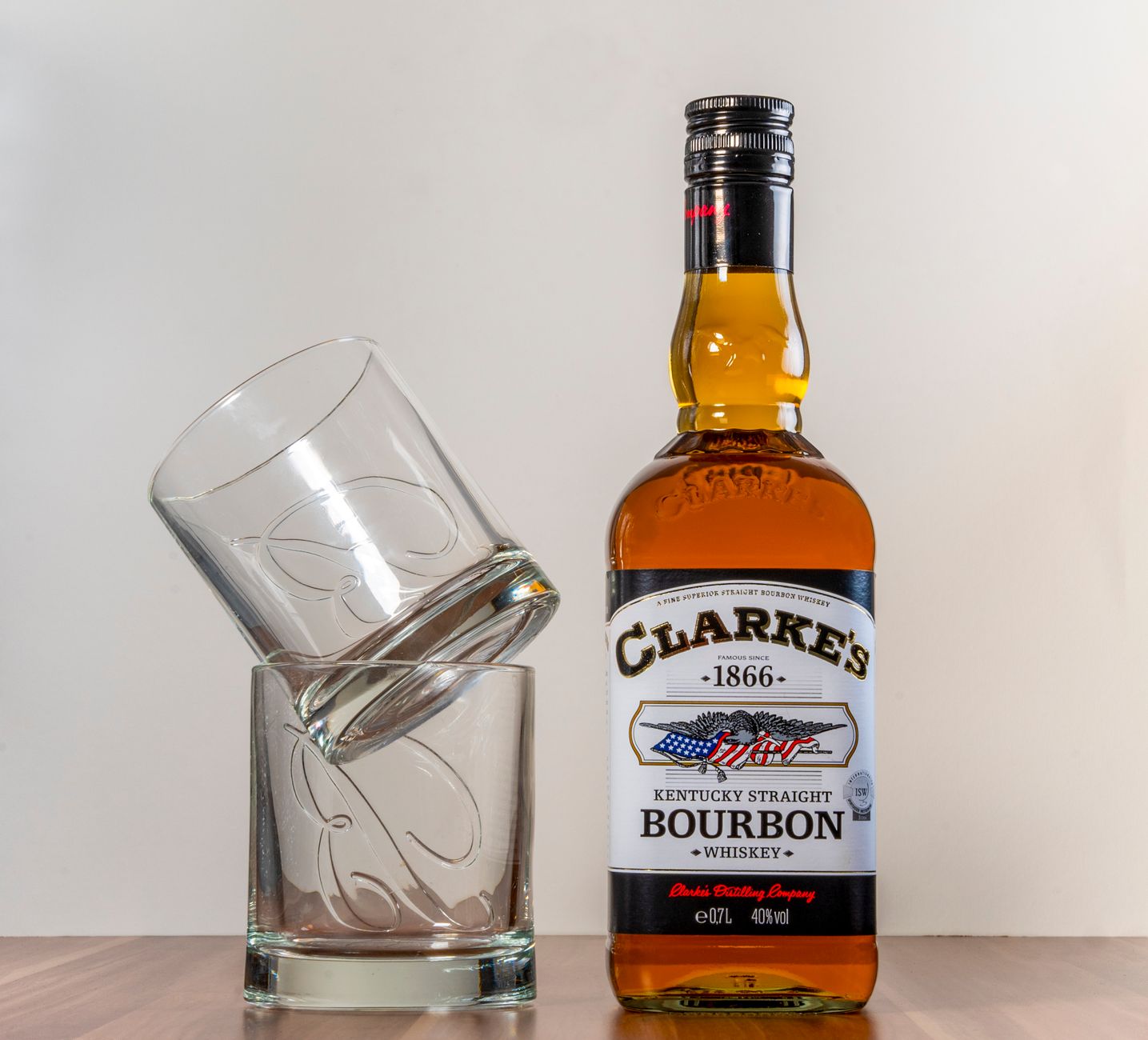
Bourbon, a distinctive type of whiskey originating from the United States, carries a bouquet of aromas that reflect its unique production process and ingredients. Whether you are sipping it straight, adding it to a cocktail, or using it in cooking, understanding what bourbon smells like can enhance your appreciation of this complex spirit.
The scent of bourbon is multifaceted, with notes of caramel, vanilla, oak, and sometimes even spices. It can evoke memories and feelings, much like the flavors it imparts to food. In this article, we will delve deeper into what bourbon smells like, its aromatic profile, and how to identify spoilage signs in bourbon.
What Does Bourbon Smell Like?
Bourbon typically possesses a sweet and rich aroma profile, with predominant notes of caramel, vanilla, and oak. Other scents such as spices, fruit, and even floral undertones can also be present, depending on the specific brand and aging process.
The Aromatic Profile of Bourbon
To understand the smell of bourbon better, we can break down its aromatic components:
1. Sweet Notes
- Caramel: Often the most prominent aroma, caramel results from the interaction between the sugars in corn and the charred oak barrels in which the bourbon is aged. This gives the spirit a warm, decadent scent.
- Vanilla: Derived from the barrel’s influence, vanilla notes typically have a warm and inviting quality. They develop when the wood’s lactone components interact with the bourbon during aging.
2. Wood and Spice
- Oak: The charred oak barrels not only impart flavors but also an earthy aroma that provides a robust depth to the smell of bourbon.
- Spices: Subtle notes of baking spices such as cinnamon, nutmeg, or clove can also appear, adding complexity to the aroma and hinting at the bourbon’s depth.
3. Additional Scents
- Fruit: Depending on the distillation process, you may also catch whiffs of dried fruits like raisins or cherries, which offer a contrasting sweetness.
- Floral Notes: Even though less common, certain bourbons can showcase a light floral character, possibly hinting at the grains or yeast used in fermentation.
How to Smell Bourbon Like a Connoisseur
Smelling bourbon correctly can heighten your tasting experience. Here are some practical steps to help you savor its rich aromas:
- Choose the Right Glass: Use a tulip-shaped glass or a whiskey glass, as these shapes help concentrate the aromas.
- Pour a Small Amount: Pour about 1 to 2 ounces, which is sufficient for proper smelling without overwhelming your senses.
- Let it Breathe: Allow the bourbon to sit for a minute or two. This helps the volatile aromas to escape and be noticed more easily.
- Swirl Gently: Lightly swirl the glass, which can help release additional aromas without causing the alcohol to evaporate too quickly.
- Inhale Gently: Bring the glass to your nose and take a gentle inhalation. Try to pick out individual aromas.
Understanding Spoilage Signs in Bourbon
While bourbon has an impressive shelf life, improper storage can affect its quality over time. Here are some signs of potential spoilage:
- Unpleasant Smell: If the bourbon smells sour or has a vinegar-like aroma, it may have been contaminated or improperly stored.
- Loss of Aroma: If a previously aromatic bourbon has become dull or lacks its distinctive character, oxidation may have occurred due to improper sealing.
- Change in Color: While some color change over time is normal, a significant darkening or cloudy appearance can be a red flag.
Storing Bourbon Properly
To prolong the life and preserve the quality of your bourbon, it is essential to store it correctly:
- Keep it Upright: Unlike wine, bourbon should be stored upright to prevent the cork from degrading.
- Avoid Extreme Temperatures: Store bourbon in a cool, dark place, ideally between 60°F and 70°F, away from direct sunlight.
- Seal it Right: Ensure the cap is tightly closed after each use to minimize exposure to air.
Cooking with Bourbon: Enhancing Flavors
Bourbon is frequently used in culinary applications, not only as a flavor enhancer but also as a tenderizer and a means to add depth to dishes. Here are popular ways to incorporate bourbon into your cooking:
1. Marinades and Sauces
- Bourbon can provide a rich undertone to marinades for meats and poultry. Its sweetness complements the spices and creates a balanced flavor.
- Bourbon glazes are popular for meats such as ham or chicken, where the sweetness caramelizes beautifully during cooking.
2. Desserts
- In desserts, bourbon adds an aromatic complexity that can elevate cookies, cakes, and even ice creams, bringing warmth and depth.
- A classic example is bourbon pecan pie, where the spirit enhances the nutty flavor while adding a distinctive kick.
Exploring Bourbon Varietals
Understanding the different types of bourbon can help you appreciate their aromas. While most bourbons share a foundation of corn, various processes can distinctly impact their smells. Here are a few common types:
1. Straight Bourbon
This type must be made from at least 51% corn, aged in new charred oak barrels, and typically has a balanced caramel and oak aroma.
2. Small Batch Bourbon
Produced in smaller quantities, small batch bourbons often showcase unique flavor profiles, with pronounced wood and spice notes due to meticulous blending.
3. Single Barrel Bourbon
As the name suggests, this type comes from one specific barrel, giving it a singular character that reflects the aromas of that barrel alone, such as bold oak or rich vanilla.
How Bourbon Affects Dish Aroma and Flavor
When bourbon is used in cooking, it not only adds flavor but also contributes its aroma, creating a unique olfactory experience. Here’s how it can influence the final dish:
- The sweet notes of bourbon can complement and balance savory ingredients, enhancing the overall flavor profile.
- The aromatic compounds from bourbon can create fragrant steam while cooking, promoting an inviting atmosphere in your kitchen.
- Bourbon’s unique complexity can elevate a dish, transforming it from ordinary to extraordinary.
Popular Bourbon Recipes
If you’re inspired to try cooking with bourbon, here are two popular recipes to consider:
Bourbon Glaze Recipe
This sweet and sticky glaze works beautifully on grilled meats or roasted vegetables. Here’s a brief overview of what you’ll need:
- 1 cup bourbon
- 1 cup brown sugar
- 1/2 cup soy sauce
- 1 tablespoon Dijon mustard
- Combine all ingredients in a saucepan over medium heat.
- Bring to a simmer, stirring frequently, until the mixture thickens (approximately 15-20 minutes).
- Use immediately or store in a sealed container in the refrigerator for up to two weeks.
Bourbon Chicken Recipe
Bourbon chicken is a beloved dish known for its sweet and savory flavor profile. Here’s a brief overview of the ingredients:
- 1 pound boneless chicken thighs, cut into bite-sized pieces
- 1/2 cup bourbon
- 1/4 cup soy sauce
- 1/4 cup brown sugar
- 1 tablespoon minced garlic
- 1 tablespoon minced ginger
- In a skillet, brown chicken over medium heat until cooked through.
- Add garlic and ginger, cooking until fragrant.
- In a bowl, whisk together the bourbon, soy sauce, and brown sugar.
- Pour the mixture over the chicken, allowing it to simmer until thickened (around 5-10 minutes).
Final Thoughts on Bourbon Smell and Its Impact
Bourbon’s aroma is a vital component of its character, influencing not only your tasting experience but also the way it enriches cooked dishes. Understanding what bourbon smells like can enhance your overall culinary experience, whether you’re sipping a glass neat or incorporating it into a recipe. With proper storage and careful handling, you can savor the delightful aromas and flavors of bourbon for years to come.
Ready to explore more delicious recipes inspired by bourbon? Check out our Bourbon Glaze Recipe and learn how to make Bourbon Chicken to elevate your meals. Happy cooking!