
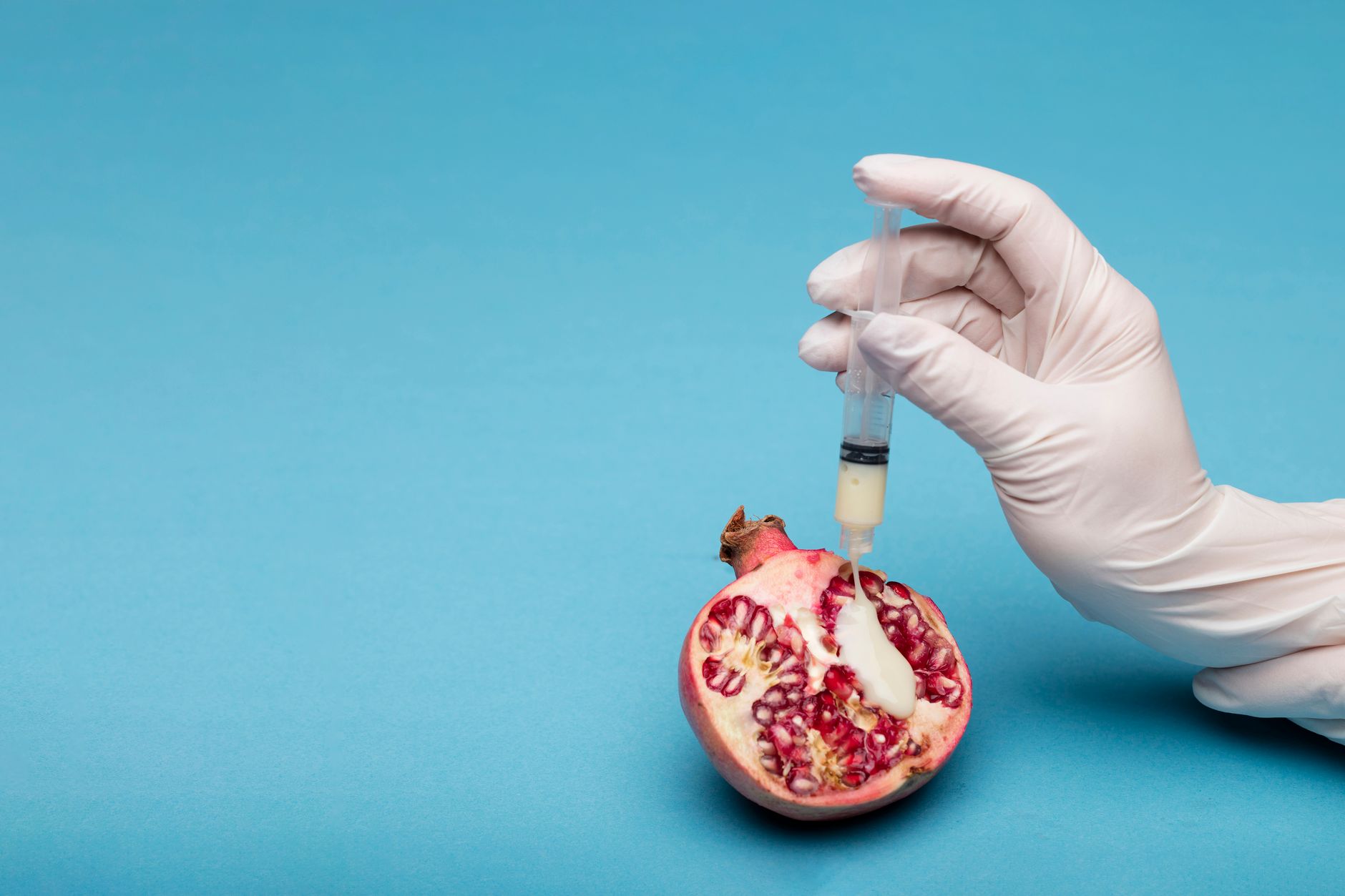
Bioengineering in food—often associated with terms like genetically modified organisms (GMOs)—has become a significant subject of discussion in the culinary world. Understanding what bioengineered means can help consumers make informed decisions about the food they eat, where it comes from, and how it impacts their health and the environment.
This article will explore the concept of bioengineering in food, its history, its origins, and how it shapes what we consume today. From the science behind bioengineering to its practical implications in our kitchens, this comprehensive guide will equip you with the knowledge needed to navigate this complex subject.
What Does Bioengineered Mean?
Bioengineered refers to organisms whose genetic material has been altered using genetic engineering techniques. In the context of food, this typically involves modifying crops to enhance certain traits, such as resistance to pests, improved nutritional content, and better yield. Understanding bioengineering helps clarify the benefits and controversies surrounding genetically modified foods.
The History of Bioengineering in Food
The origins of bioengineering in agriculture date back several decades. While traditional breeding methods have been used for centuries to enhance crop varieties, the modern bioengineering process began in the late 20th century.
Early Developments
The first genetically engineered food crop, the Flavr Savr tomato, was introduced in 1994. Developed by Calgene, this tomato was modified for longer shelf life, which came as a time-saving benefit to distributors and consumers alike. However, it was withdrawn from the market due to various economic reasons.
Rapid Advancements
Since the Flavr Savr tomato, the biotechnology field has advanced significantly. Today, many crops, including corn, soybeans, and cotton, are bioengineered for traits like herbicide tolerance and insect resistance. The rapid adoption of genetically modified crops in the food supply has created a significant increase in production yields and reduce reliance on chemical pesticides.
How is Food Bioengineered?
The bioengineering process involves several steps that focus on identifying, isolating, and inserting specific DNA sequences that enhance desired traits in plants. Below are the primary methods used in bioengineering:
1. Gene Cloning
Gene cloning is a process that involves extracting a gene from one organism and inserting it into the DNA of another. This method is frequently used to transfer traits like pest resistance from one species to another.
2. CRISPR Technology
CRISPR (Clustered Regularly Interspaced Short Palindromic Repeats) allows scientists to make precise changes to an organism’s DNA. This technology has made bioengineering more efficient and less controversial due to its accuracy and lesser unintended consequences.
3. Transformation Techniques
Transformation techniques are used to introduce new genetic material into plant cells. Techniques include Agrobacterium-mediated transformation, where a soil bacterium transfers DNA into the plant, and biolistics, where DNA-coated microscopic gold or tungsten particles are shot into the plant tissue.
Benefits of Bioengineered Foods
Bioengineered foods present several potential benefits for consumers, farmers, and the environment. Here are some key advantages:
1. Increased Crop Yields
Bioengineering leads to crops that can withstand environmental stresses, resulting in higher yields. This ability is crucial as global food demand continues to grow.
2. Pest and Disease Resistance
Crops that are bioengineered for pest and disease resistance require fewer chemical pesticides, making farming more sustainable and reducing potential negative impacts on the environment.
3. Enhanced Nutritional Content
Bioengineering can enhance the nutritional profile of crops. For instance, Golden Rice is engineered to produce beta-carotene, a precursor to vitamin A, which can help combat vitamin A deficiency in populations where rice is a staple food.
4. Environmental Sustainability
By reducing the need for chemical inputs and increasing crop resilience to climate change, bioengineered crops can contribute to more sustainable agricultural practices.
Controversies Surrounding Bioengineered Foods
Despite the potential benefits, bioengineered foods are also surrounded by considerable controversy. Key concerns include:
1. Health Risks
Critics argue that bioengineered foods may pose health risks, including allergenicity and unknown long-term effects on human health. However, numerous scientific organizations have stated that approved bioengineered foods are safe to eat.
2. Environmental Concerns
There are concerns over the potential for bioengineered crops to crossbreed with wild plants, leading to unintended consequences for ecosystems. The reduced biodiversity in farms using monoculture practices is also a worrying factor.
3. Economic Power of Large Corporations
The dominance of large agribusiness companies in the biotechnology sector raises ethical issues regarding the consolidation of agricultural power. This situation may lead to a lack of diversity in crop varieties and reliance on a few staple crops.
How to Identify Bioengineered Foods
Identifying bioengineered foods enables consumers to make more informed choices. In the United States, the National Bioengineered Food Disclosure Standard requires food manufacturers to disclose the presence of bioengineered ingredients on packaging. Here’s how to read labels:
- Look for the bioengineered food symbol: A new symbol will be used in packaging to help consumers easily identify bioengineered products.
- Check for disclaimers: Products with bioengineered ingredients may carry statements such as “contains bioengineered ingredients.”
- Research products: Use resources such as the USDA’s bioengineered food database to get more information on specific products.
Cooking with Bioengineered Ingredients
Cooking with bioengineered ingredients does not require a change in techniques or flavor expectations. For home cooks, incorporating bioengineered foods into meals is similar to using their non-bioengineered counterparts. Here’s how:
1. Incorporate Conventionally Used Ingredients
Bioengineered corn, soybeans, and canola oil are commonly used in a variety of grocery products, so look for these on the ingredient list.
2. Adjust for Flavor
While bioengineered foods maintain similar flavors and nutritional profiles as traditional options, it is essential to taste-test and adjust seasoning as needed in recipes.
3. Explore New Bioengineered Varieties
Using bioengineered options can allow for exciting opportunities to try new varieties of fruits and vegetables not previously available. Look for bioengineered offerings like non-browning apples or drought-tolerant crops that may come into the marketplace.
Practical Considerations for Home Cooks
As consumers navigate the world of bioengineered foods, here are some practical tips for home cooks:
1. Emphasize Whole Foods
Focus on incorporating whole, minimally processed foods into your diet. While many bioengineered ingredients are found in processed foods, using whole grains, fruits, and vegetables can help balance your nutrition.
2. Read Labels Carefully
Always check ingredient lists to make informed choices on what you’re bringing into your kitchen. This practice not only applies to bioengineered foods but all food items.
3. Experiment with Seasonal Ingredients
Utilize seasonal fruits and vegetables, whether bioengineered or organic, to create fresh and flavorful dishes. Seasonal ingredients can enhance the taste and texture of your meals.
Chef’s Tips for Cooking and Storing Bioengineered Ingredients
Here are some important tips for maximizing the flavor and storage life of bioengineered produce:
1. Proper Washing
Wash all produce thoroughly, regardless of whether it is bioengineered or organic, to remove possible residues and microbes. Aim for a thorough rinse under running water.
2. Storage Guidelines
Store bioengineered vegetables in the refrigerator crisper drawer to maintain freshness. Fruits should also be kept cool, but some may fare better at room temperature, such as avocados or bananas.
3. Prepping Techniques
Chop, slice, or dice bioengineered vegetables in preparation for cooking or snacking. Sautéing, steaming, or roasting enhances their flavors. Be mindful of cooking times to avoid loss of nutrients.
Future of Bioengineering in Food
The future of bioengineering in food looks bright with ongoing research aimed at improving crop resilience, enhancing food security, and developing nutrition-focused crops. Prospective new developments include:
1. Climate-Resilient Crops
Researchers are working on bioengineering crops that can withstand extreme weather conditions, such as drought, floods, and temperature fluctuations. These advances can help ensure stable food production in a changing climate.
2. Nutritionally Enhanced Foods
Future bioengineered foods may offer enhanced health benefits, such as improved vitamins, minerals, and antioxidants, designed to meet the dietary needs of populations worldwide.
3. Localized Agriculture
Bioengineering may contribute to localized agriculture solutions, allowing regions to cultivate crops suited to their specific climatic conditions, which can promote food sovereignty and independence.
Understanding the concept of bioengineering in food is crucial for making informed decisions about our diets. With a positive view of its potential benefits and awareness of the ongoing controversies, consumers can navigate the complexities of the modern food landscape.
By exploring bioengineered options and incorporating them mindfully into everyday cooking, we can enjoy diverse and nutritious meals as the evolution of agriculture continues to unfold.
For additional cooking insights, discover what makes rosemary a great seasoning, or learn the benefits of incorporating chia seeds into your meals at what is a good substitute for rosemary and what are the benefits of chia seeds.