
An anti-inflammatory diet focuses on consuming foods rich in antioxidants, healthy fats, and fiber while avoiding foods that can provoke inflammation. This diet aims to reduce chronic inflammation, which has been linked to various diseases, including heart disease, diabetes, and arthritis.
This article explores the principles of an anti-inflammatory diet, the types of foods to include, and practical strategies for meal planning and preparation.
What Does an Anti Inflammatory Diet Look Like?
An anti-inflammatory diet emphasizes whole, unprocessed foods that help mitigate inflammation and support overall health. It includes a variety of fruits, vegetables, whole grains, lean proteins, nuts, seeds, and healthy fats while limiting sugar, refined carbohydrates, and processed foods.
Key Components of an Anti Inflammatory Diet
To effectively design an anti-inflammatory diet, it’s essential to understand the key components that will provide balance and health benefits. Below are the major groups of foods to focus on:
1. Fruits and Vegetables
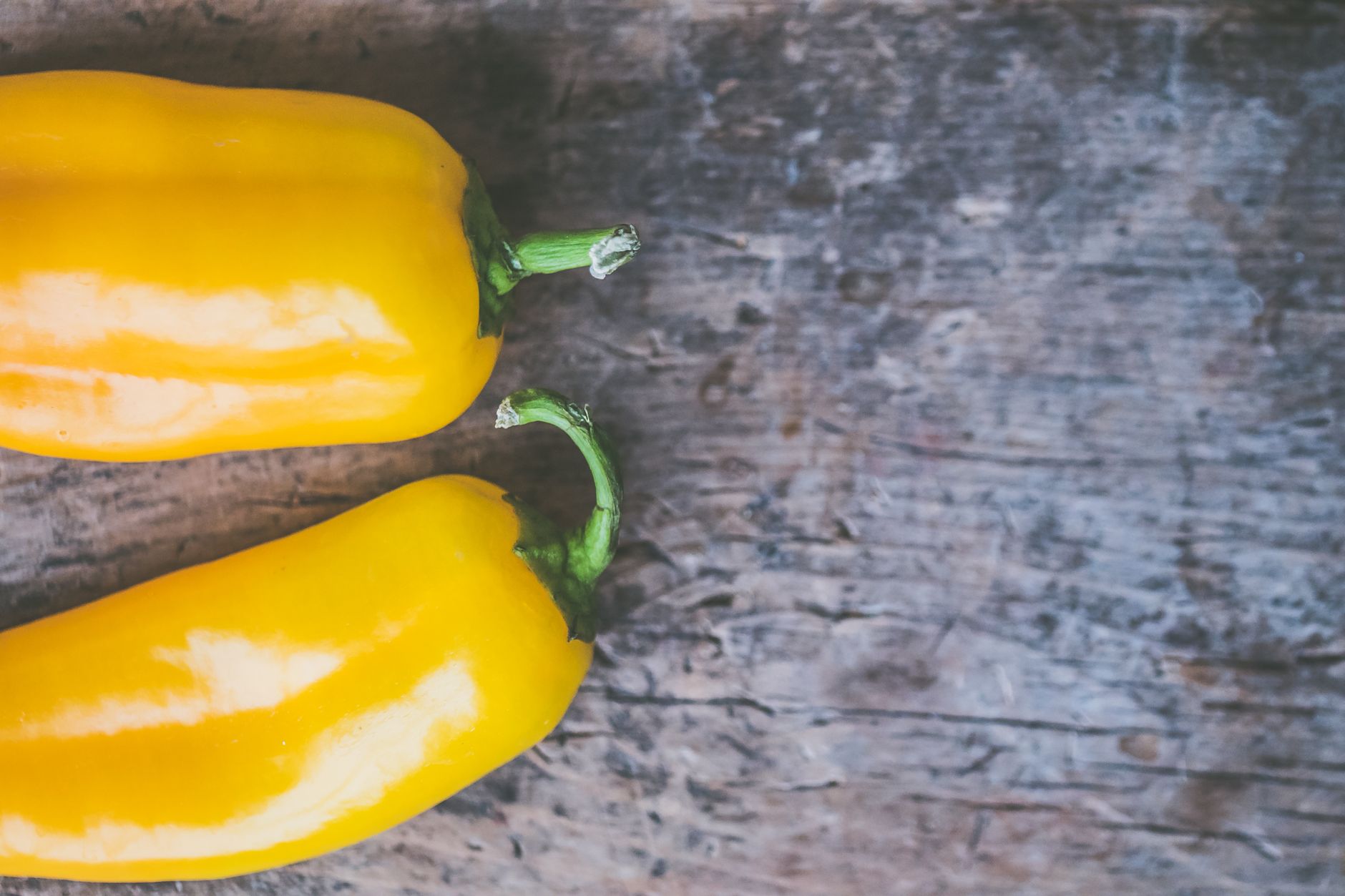
- Brightly colored fruits and vegetables, such as berries, cherries, oranges, spinach, kale, and bell peppers, are high in antioxidants.
- Cruciferous vegetables, like broccoli, cauliflower, and Brussels sprouts, are particularly good for combating inflammation.
2. Whole Grains
- Opt for whole grains like brown rice, quinoa, barley, and oats, which provide fiber and essential nutrients.
- Avoid refined grains like white rice and white bread, which can spike blood sugar and promote inflammation.
3. Healthy Fats
- Incorporate sources of healthy fats, such as avocados, olive oil, nuts, and seeds. These fats contain omega-3 fatty acids known for their anti-inflammatory properties.
- Limit saturated and trans fats generally found in processed foods and fatty cuts of meat.
4. Lean Proteins
- Choose lean protein sources such as chicken, turkey, fish, legumes, and plant-based proteins like tofu. Fish, especially fatty types like salmon, mackerel, and sardines, are great for reducing inflammation due to their omega-3 content.
- Red meat should be consumed sparingly, and processed meats should be avoided altogether.
5. Herbs and Spices
- Use a variety of herbs and spices to enhance flavor and reduce inflammation. Turmeric, ginger, cinnamon, garlic, and cayenne pepper are particularly beneficial.
- These ingredients can easily be added to dishes for additional health benefits.
6. Beverages
- Stay hydrated with water, herbal teas, and green tea, which are high in antioxidants.
- Limit sugary beverages, as these contribute to inflammation.
Foods to Avoid on an Anti Inflammatory Diet
Equally important is knowing which foods to limit or avoid to reduce inflammation. Here’s a list of foods that may trigger inflammatory responses:
- Processed foods high in sugar, refined carbs, and unhealthy fats (e.g., snacks, baked goods)
- Fried foods and fast foods that contain trans fats
- Excessive alcohol consumption, which can lead to increased inflammation
- High-sugar foods and beverages, including sodas and sweets
Meal Planning for an Anti Inflammatory Diet
Planning meals on an anti-inflammatory diet can help ensure you have a variety of nutrient-rich foods on hand. Here are some practical tips for effective meal planning:
1. Create a Weekly Menu
Start each week by drafting a menu that includes meals covering breakfast, lunch, dinner, and snacks. Incorporate a different protein source, whole grain, and an array of vegetables for balance. Here’s a sample menu to inspire you:
| Meal | Example |
|---|---|
| Breakfast | Oatmeal topped with berries, walnuts, and a drizzle of honey |
| Lunch | Quinoa salad with chickpeas, cucumber, cherry tomatoes, and a lemon-olive oil dressing |
| Dinner | Grilled salmon served with sautéed kale and brown rice |
| Snack | Apple slices with almond butter |
2. Batch Cooking
Consider batch cooking staples that can be used in different meals throughout the week. Here are some ideas:
- Cook a large batch of quinoa or brown rice to use in salads and bowls.
- Roast a variety of vegetables to incorporate into meals or as snacks.
- Prepare homemade hummus or guacamole for healthy snacks.
3. Shopping List Essentials
Keep a well-stocked pantry, fridge, and freezer to facilitate cooking anti-inflammatory meals. Here’s a shopping list of essentials:
- Fruits: berries, bananas, apples, citrus
- Vegetables: leafy greens, bell peppers, broccoli, carrots
- Whole grains: oats, quinoa, brown rice
- Proteins: legumes, chicken, fatty fish
- Nuts and seeds: walnuts, flaxseeds, chia seeds
- Healthy fats: olive oil, avocado
- Herbs and spices: turmeric, ginger, garlic, cinnamon
Easy Recipes for an Anti Inflammatory Diet
Incorporating new recipes can keep your meals exciting and ensure you eat a diverse range of nutrients. Below are a few simple recipes that align with anti-inflammatory dietary principles.
Turmeric Ginger Smoothie
This invigorating smoothie is packed with anti-inflammatory properties and makes for a refreshing breakfast or snack.
- Yield: 2 servings
- Preparation time: 10 minutes
Ingredients
- 1 cup spinach or kale, packed
- 1 banana, frozen
- 1 cup almond milk or coconut milk
- 1/2 inch piece of fresh ginger, peeled
- 1/2 teaspoon turmeric powder
- 1 tablespoon honey or maple syrup (optional)
- Ice cubes (optional)
Method
- Place all ingredients in a blender and blend until smooth.
- Add ice to achieve your desired consistency.
- Taste and adjust sweetness, if desired.
- Pour into glasses and serve immediately.
Quinoa and Black Bean Salad
This salad is nutritious and versatile, serving well as a side or a main dish.
- Yield: 4 servings
- Preparation time: 15 minutes
- Cooking time: 20 minutes
- Total time: 35 minutes
Ingredients
- 1 cup quinoa, rinsed
- 2 cups water or vegetable broth
- 1 can black beans, drained and rinsed
- 1 red bell pepper, diced
- 1/2 onion, finely chopped
- 1/2 cup corn (fresh or frozen)
- Juice of 1 lime
- 1 tablespoon olive oil
- 1 teaspoon cumin
- Salt and pepper to taste
- Chopped cilantro for garnish (optional)
Method
- In a saucepan, combine quinoa and water (or broth). Bring to a boil, reduce heat, cover, and simmer for approximately 15-20 minutes until quinoa is fluffy and water is absorbed.
- Let quinoa cool for a few minutes and fluff with a fork.
- In a large bowl, combine quinoa, black beans, bell pepper, onion, and corn.
- In a small bowl, mix lime juice, olive oil, cumin, salt, and pepper. Pour dressing over the salad and mix well.
- Garnish with chopped cilantro, if desired, and serve.
Common Mistakes and Troubleshooting
Transitioning to an anti-inflammatory diet can be challenging. Here are common pitfalls and how to avoid them:
- Relying too heavily on processed foods labeled as “healthy”: These may still contain unhealthy additives. Always check labels and opt for whole foods.
- Neglecting variety: Focusing too much on a few foods may lead to nutrient gaps. Aim to include a diverse range of fruits, vegetables, and protein sources.
- Not meal-prepping: Without planning, it can be easy to revert to less healthy options. Set aside time each week to prepare meals.
- Overemphasizing ingredients without considering overall balance: It’s crucial to combine various food groups for optimal nutrition.
Storage and Reheating Tips
Proper storage and reheating of food can also impact its quality. Here are tips to consider:
- Store cooked grains and salads in airtight containers in the refrigerator for up to four days.
- Soups and stews can be frozen in portioned containers for later use.
- When reheating, avoid overcooking; aim to heat dishes to the point of warmth without drying them out.
Conclusion
Embracing an anti-inflammatory diet can be a beneficial choice for enhancing your overall health and well-being. Focus on incorporating a variety of nutrient-dense foods while eliminating those that contribute to inflammation. Start with meal planning and simple recipes, and gradually build a culinary repertoire that supports your dietary goals—all while enjoying the process of preparing delicious meals.
For more information about the safety of the anti-inflammatory diet, check out our guide on anti-inflammatory diet safety. If you’re looking for a delightful recipe, try this chia pudding recipe for a nutritious snack or breakfast option.