
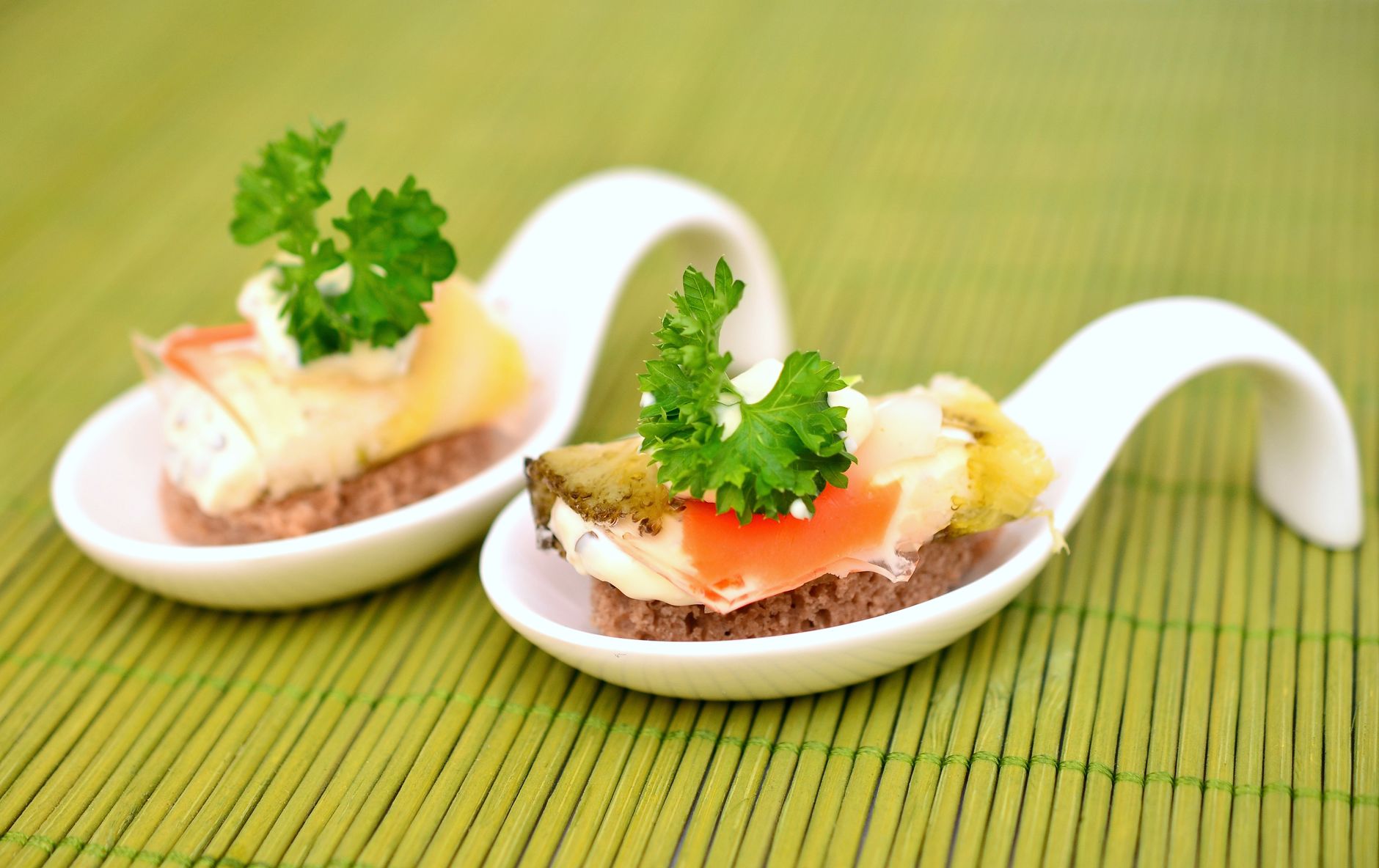
Amuse bouche, a French term meaning “mouth amuser,” refers to a small, hors d’oeuvre-sized dish served before a meal. It is designed to tease the palate, prepare the diner for the meal ahead, and showcase the chef’s creativity. While these tiny bites are often served at fine dining restaurants, understanding their origins and how they fit into the dining experience can enhance any food lover’s appreciation for culinary arts.
In this article, we will explore the meaning of amuse bouche, its historical context, its role in modern dining, and how you can create your own versions at home. Whether you’re planning a special dinner or simply want to impress your guests, these small delights can play a key role in elevating your culinary endeavors.
What Does Amuse Bouche Mean?
The term “amuse bouche” translates literally to “mouth amuser” in English. It denotes a small, flavorful bite-sized dish that serves to whet the appetite and set the tone for the meal to follow. Unlike appetizers, which can be ordered from a menu, amuse bouches are typically complimentary offerings from the chef, showcasing their creativity and culinary skills.
A Brief History of Amuse Bouche
Amuse bouche has its roots in French cuisine, gaining prominence in the 20th century. The concept is often credited to the innovative French chef Georges Auguste Escoffier, who emphasized the importance of the dining experience and the presentation of food. However, it is in the latter half of the 20th century, especially during the 1980s and 1990s, that amuse bouches became an integral part of fine dining.
Initially served to highlight the restaurant’s style and chef’s philosophy, amuse bouches have evolved to reflect seasonal ingredients and the chef’s personal touch. This evolution mirrors the growing trend toward culinary art, where chefs aim not just to provide sustenance but also to create artistic expressions through food.
The Role of Amuse Bouche in Modern Dining
In the context of dining, the amuse bouche serves several purposes:
- Whet the Appetite: Its primary function is to stimulate the taste buds and excite diners for the meal to come.
- Showcase Creativity: Chefs utilize this opportunity to demonstrate their culinary skills and creativity, often opting for unique and innovative flavor combinations.
- Set the Tone: The amuse bouche provides insight into the chef’s style and the type of dining experience the guests can expect during the meal.
- Personal Touch: Because amuse bouches are typically not ordered, they serve as a personal offering from the chef, creating a more intimate and memorable experience for diners.
Characteristics of Amuse Bouche
Several distinct characteristics define an amuse bouche, making it a unique addition to any meal:
- Size: Typically, an amuse bouche is a single bite or a small portion that can be easily consumed in one to two bites.
- Flavor: It packs a punch, offering intense flavors, textures, and aromatic elements to stimulate the senses.
- Presentation: An amuse bouche is often artfully presented and can include various ingredients, garnishes, and sauces, appealing to both the eye and the palate.
- Seasonality: Chefs often design amuse bouches around seasonal ingredients, reflecting freshness and locality.
How to Create Your Own Amuse Bouche
Making your own amuse bouche at home can be an enjoyable and rewarding experience. Here’s a guide on how to create stunning amuse bouches that will impress your guests:
Choosing Ingredients
Start by selecting high-quality ingredients that inspire you. Ideal ingredients for amuse bouche include:
- Seafood: Fresh shrimp, salmon, or scallops.
- Vegetables: Seasonal veggies, microgreens, or roasted varieties.
- Fruits: Delicate fruits such as berries or citrus segments add a sweet touch.
- Cheeses: Soft cheeses, like goat cheese or ricotta, can provide richness.
- Herbs and Spices: Fresh herbs or spices to enhance flavors.
Flavor Combinations
When creating your amuse bouche, consider including contrasting textures and flavors:
- Sweet and Savory: Pair sweet fruits with savory cheeses or cured meats.
- Texture Play: Combine creamy ingredients with crunchy elements, such as crisps or nuts.
- Temperature Contrast: Serve chilled components alongside warm ones for added interest.
Essential Equipment
While creating amuse bouches doesn’t require extensive equipment, having the right tools can make the process smoother:
- Sharp knives for precise cutting
- Small spoons or pastry bags for plating and decorating
- Wilton piping kits for decorative sauces
- Small plates or tasting spoons for serving
Preparation Steps
Follow these steps to prepare your amuse bouche:
- Plan Your Menu: Decide on a few variations to serve as amuse bouches, keeping them bite-sized and interesting.
- Prep Ingredients: Slice, dice, or assemble your ingredients ahead of time.
- Assemble the Bites: Layer or stack ingredients artfully on your serving plates. Experiment with heights and colors.
- Add Garnishes: Finish with microgreens, edible flowers, or drizzled sauces for visual appeal.
- Serve Immediately: Serve your amuse bouches fresh to preserve flavors and presentation.
Ideas for Amuse Bouche Recipes
Here are some simple amuse bouche ideas you can try at home:
1. Cucumber Bites with Goat Cheese
Ingredients:
- Cucumber slices
- Soft goat cheese
- Fresh dill or chives
- Olive oil and salt for drizzling
Instructions:
- Spread goat cheese on cucumber slices.
- Top with a sprig of dill or chives.
- Drizzle with olive oil and a pinch of salt before serving.
2. Tomato and Mozzarella Skewers
Ingredients:
- Cherry tomatoes
- Fresh mozzarella balls
- Fresh basil leaves
- Balsamic reduction
Instructions:
- Skewer a cherry tomato, a basil leaf, and a mozzarella ball onto toothpicks.
- Drizzle with balsamic reduction before serving.
3. Mini Shrimp Tacos
Ingredients:
- Small corn tortillas
- Cooked shrimp
- Avocado, diced
- Fresh cilantro
- Lime wedges
Instructions:
- Warm the tortillas slightly.
- Top each tortilla with a shrimp, a spoonful of diced avocado, and a sprinkle of cilantro.
- Serve with lime wedges.
Common Mistakes and Troubleshooting
While preparing amuse bouches may seem straightforward, here are some common pitfalls to avoid:
- Overcomplicating Flavors: Keep it simple by limiting the number of ingredients. Too many flavors can overwhelm the palate.
- Neglecting Presentation: Amuse bouches are visually appealing. Spend time on the presentation and plate them attractively.
- Preparing Too Early: Serve them fresh to maintain flavor and texture. If prepped in advance, keep them covered in the fridge.
Storage and Serving Suggestions
Since amuse bouches are best served fresh, it’s recommended to prepare them just before serving. However, if you need to make some components ahead of time, consider the following:
- Store prepared elements in airtight containers in the refrigerator.
- For recipes with perishable items, consume them within 24 hours to retain quality.
- Reassemble right before serving to ensure freshness.
The Future of Amuse Bouche
As trends in dining continue to evolve, amuse bouches are likely to evolve with them. Today, we see creative variations such as unexpected flavor combinations, vegetarian offerings, or even amuse bouches that pay homage to regional cuisine. Regardless of how they change, the fundamental role of these delightful bites remains constant: to surprise, delight, and engage diners in an intimate and memorable manner.
Amuse bouche offers a unique opportunity for chefs and home cooks alike to showcase creativity through the lens of flavor, presentation, and seasonality. Whether you’re hosting a dinner party or simply experimenting in your kitchen, incorporating amuse bouches can elevate your culinary experience, encouraging you to step outside the usual culinary boundaries.
Try your hand at creating these delightful culinary morsels on your next night in. You may find that they become a beloved addition to your repertoire.
Explore related recipes, cooking tips, or food guides to further elevate your dining experience. Discover ways to enhance your meals with delicious appetizers, creative dinner ideas, or innovative desserts.