
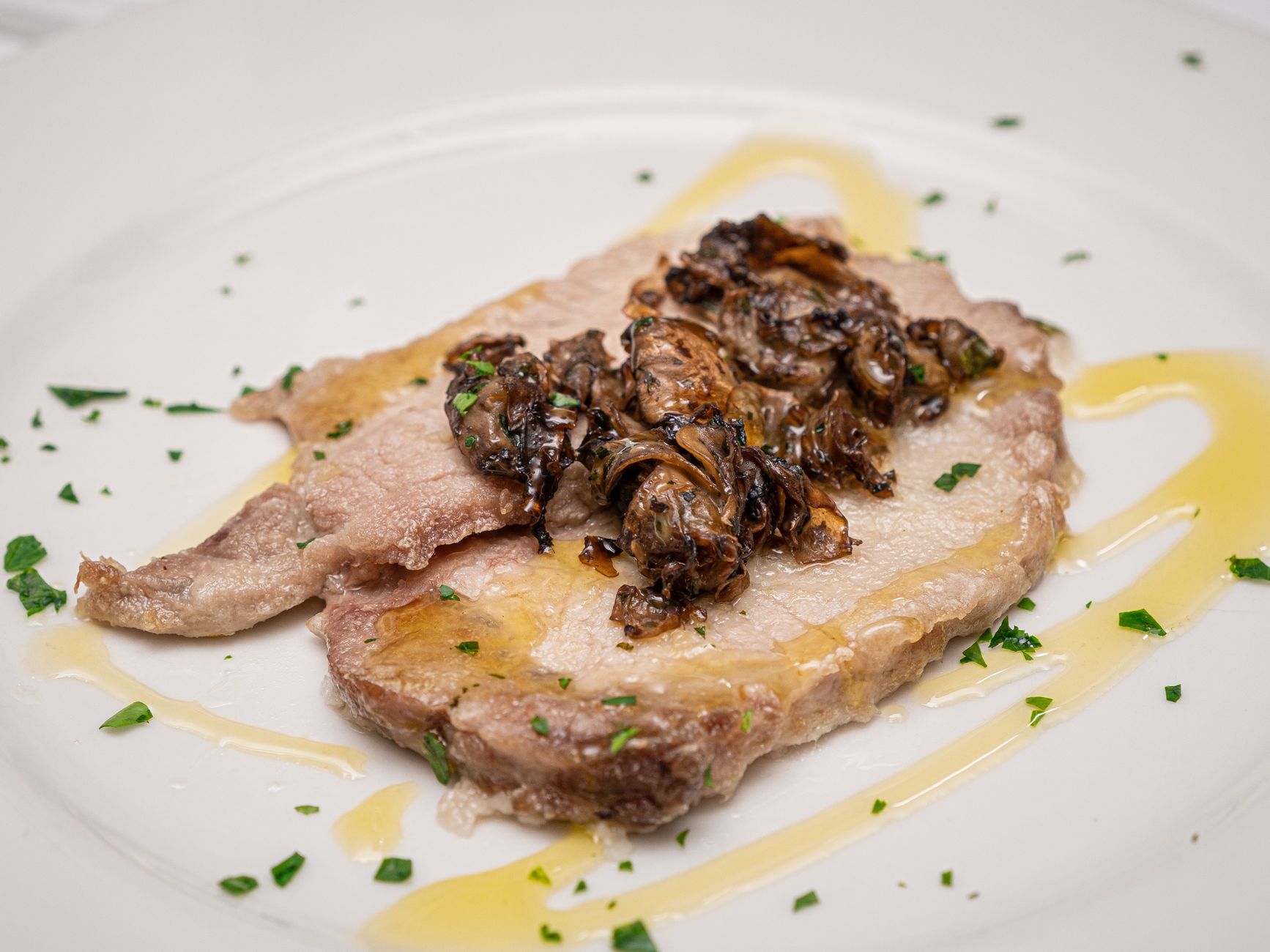
Pork tenderloin is a popular, lean cut of meat known for its tenderness and mild flavor. To achieve a perfect pork tenderloin, understanding the ideal cooking temperature is crucial. This article will guide you through the details of determining when your pork tenderloin is done, cooking techniques, and plenty of practical tips for a delicious result.
Many home cooks struggle with knowing when pork tenderloin is finished, leading to overcooked or undercooked meat. This guide covers safe cooking temperatures, methods to cook pork tenderloin, potential pitfalls, and serving suggestions to enhance your next meal.
What Temperature Is Pork Tenderloin Done?
The USDA recommends cooking pork tenderloin to an internal temperature of 145°F (63°C) followed by a three-minute rest. This not only ensures that the meat is safe to eat but also helps maintain the tenderness and juiciness that this cut is known for.
How to Use a Meat Thermometer
A reliable meat thermometer is an essential tool in determining whether your pork tenderloin is properly cooked. Here’s how to effectively use one:
- Choose a probe thermometer or instant-read thermometer for the best results.
- Insert the thermometer into the thickest part of the tenderloin, avoiding any bones or the pan, as they can give inaccurate readings.
- Wait a few seconds for the temperature to stabilize before reading.
- Checking in multiple spots can help ensure even cooking throughout the meat.
Different Cooking Techniques for Pork Tenderloin
There are several methods to cook pork tenderloin, each yielding different flavors and textures. Below are some of the most popular techniques:
1. Roasting
Roasting pork tenderloin in the oven allows for even cooking and a desirable brown crust. Here’s how to do it:
- Preheat the oven to 400°F (204°C).
- Season the tenderloin with salt, pepper, and your choice of herbs or spices.
- Heat olive oil in a skillet over medium-high heat and sear the tenderloin on all sides until browned, about 3-4 minutes per side.
- Transfer the skillet to the preheated oven and roast for about 20-25 minutes or until the internal temperature reaches 145°F (63°C).
- Allow it to rest for at least three minutes before slicing.
2. Grilling
Grilling pork tenderloin impart a smoky flavor that many enjoy. Here’s a step-by-step:
- Preheat the grill to medium-high heat.
- Marinate the tenderloin for at least 30 minutes for added flavor.
- Place the tenderloin on the grill and cook for about 15-20 minutes, turning occasionally.
- Check for doneness using the meat thermometer until it reaches 145°F (63°C).
- Let it rest before slicing.
3. Sautéing
Sautéing is a quick method that results in juicy pork tenderloin without overheating the kitchen:
- Cut the tenderloin into medallions for quicker cooking.
- Heat a tablespoon of oil in a skillet over medium-high heat.
- Add the medallions and cook for about 3-4 minutes on each side until they reach the desired temperature.
- Rest and serve with a sauce or side dish.
4. Slow Cooking
If you prefer a hands-off approach, a slow cooker is an excellent option for pork tenderloin:
- Season the tenderloin and sear it if desired.
- Place it in the slow cooker with your choice of broth, wine, or marinade.
- Set on low for 6-8 hours or high for 3-4 hours, or until the internal temperature reaches 145°F (63°C).
Flavoring Options for Pork Tenderloin
Adding marinades or rubs can enhance the flavor of pork tenderloin. Some popular options include:
- Herb Marinade: Combine olive oil, garlic, rosemary, and thyme.
- Spicy Rub: Use chili powder, cumin, and brown sugar for a kick.
- Sweet and Tangy Glaze: A mix of honey, soy sauce, and a splash of vinegar.
Common Mistakes When Cooking Pork Tenderloin
Here are some pitfalls to avoid to ensure your pork tenderloin turns out perfectly:
- Overcooking: Monitor internal temperature carefully to avoid dryness.
- Ignoring Rest Time: Always allow the meat to rest for at least three minutes before slicing to retain juices.
- Skipping Marinades: Marinating enhances flavor and tenderness, so don’t skip this step.
What to Serve With Pork Tenderloin
Pairing your pork tenderloin with complementary sides can elevate your meal. Consider these options:
- Roasted vegetables such as carrots, potatoes, or Brussels sprouts.
- Rice or quinoa salad with a light vinaigrette.
- Creamy mashed potatoes or sweet potatoes for a comforting touch.
Storing and Reheating Leftovers
If you have leftovers, here’s how to store and reheat them properly:
- Wrap pork tenderloin in plastic wrap or aluminum foil and place in an airtight container.
- Store in the refrigerator for up to three days or freeze for up to three months.
- To reheat, place in an oven preheated to 350°F (175°C) for about 15-20 minutes, or until warmed through.
Pork Tenderloin Variations and Substitutions
While pork tenderloin is versatile, there are variations and substitutions you can consider:
- If you don’t have pork tenderloin, pork loin or fillets can be used but may require adjustments to cooking time.
- Poultry, such as chicken breast, can serve as a lighter alternative but will change cooking times.
- For a more robust flavor, consider beef tenderloin, adjusting the cooking time as beef often requires a higher temperature.
Safer Cooking Practices and Food Safety
Food safety is paramount in ensuring that your pork tenderloin is safe to eat:
- Always thaw frozen pork safely in the refrigerator, never at room temperature.
- Wash hands, utensils, and surfaces thoroughly to prevent cross-contamination after handling raw meat.
- Keep the pork tenderloin refrigerated until ready to cook to maintain freshness.
Final Thoughts
Understanding how to determine when your pork tenderloin is done ensures that you’ll achieve that perfect blend of flavor and tenderness. With methods like roasting or grilling, along with proper seasoning and food safety practices, you can enjoy a delightful pork tenderloin that will impress family and friends.
As you explore your cooking adventures, consider trying other recipes, such as a pork chop marinade to enhance flavor or a smoked pork loin for a delicious twist. Explore those delicious options to broaden your culinary repertoire.