
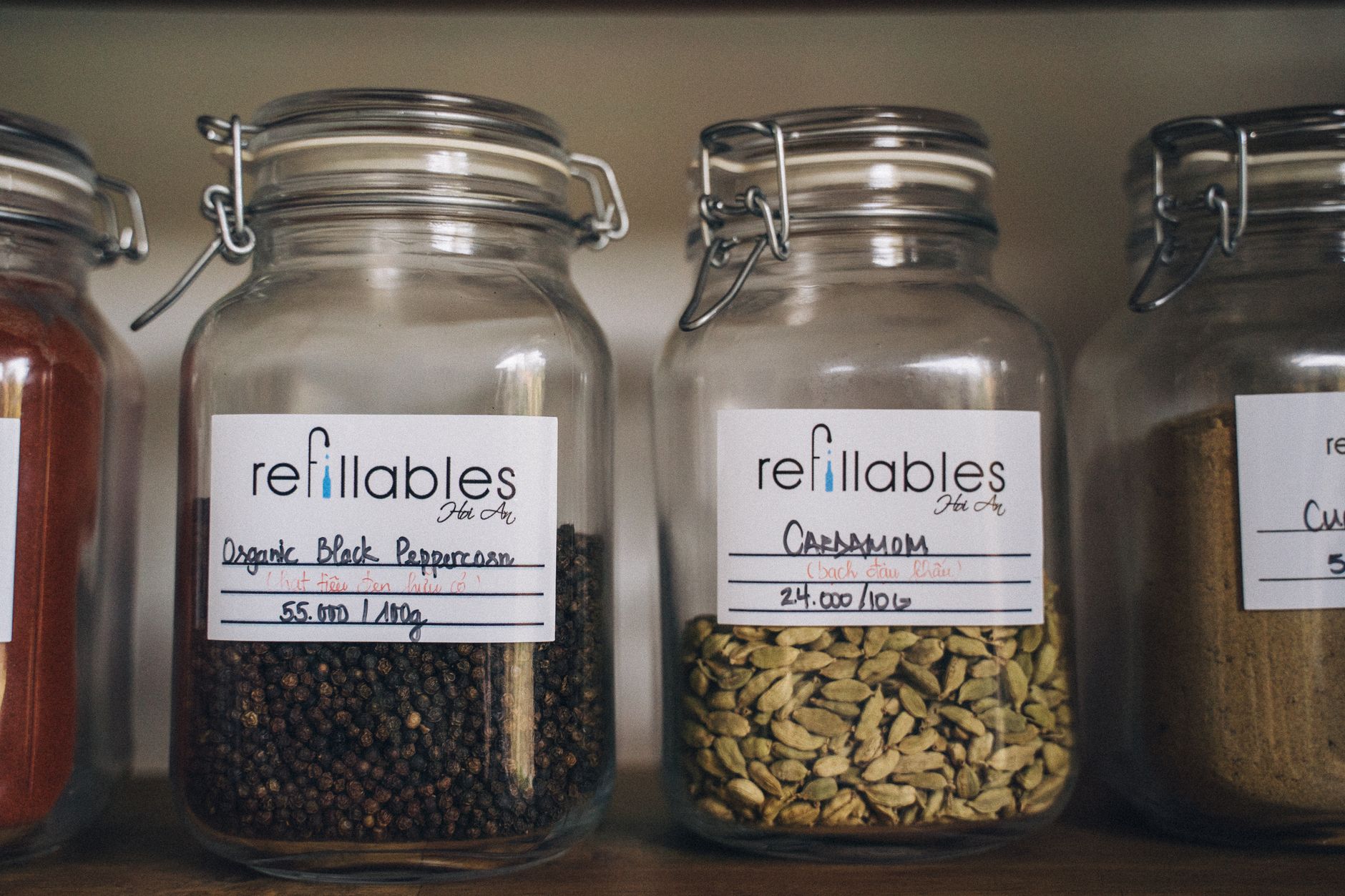
Cardamom is a fragrant and versatile spice that is often referred to as the “queen of spices.” It’s commonly used in both sweet and savory dishes across a variety of cuisines. Understanding how to use cardamom can elevate your cooking, allowing you to explore new flavors and aromas.
This guide covers the various uses of cardamom in recipes, tips on how to incorporate it into your meals, and ideas for serving and pairing. Whether you’re new to cardamom or looking to refine your culinary skills, this article aims to provide practical insights and delicious suggestions.
What Do You Use Cardamom For?
Cardamom can be used for a variety of culinary applications, ranging from spicing up drinks to enhancing savory dishes and desserts. It’s particularly popular in Indian and Middle Eastern cuisines, where it adds warmth and depth to food. Beyond its culinary uses, cardamom also brings health benefits, making it a valuable ingredient in the kitchen.
Culinary Uses of Cardamom
1. Flavoring Beverages
Cardamom is a remarkable addition to a range of beverages. Its unique flavor profile enhances both hot and cold drinks.
- Chai Tea: One of the most common uses of cardamom is in chai tea. Ground cardamom is combined with black tea, milk, and spices like ginger and cinnamon for a warming drink.
- Cardamom Coffee: Adding crushed cardamom pods to your coffee grounds infuses a fragrant aroma and subtle spice to each cup.
- Smoothies: A pinch of cardamom can upgrade smoothies, especially those made with tropical fruits like banana and pineapple.
2. Incorporating into Savory Dishes
Cardamom is not limited to sweet applications; it plays a vital role in enhancing the flavors of many savory dishes.
- Rice Dishes: Basmati rice with cardamom, cloves, and bay leaves make for an aromatic side dish in many Indian meals. Simply add cardamom pods while cooking to infuse flavor.
- Curry and Stews: Cardamom can enrich the flavor of curries and stews. Use ground cardamom in spice blends or add whole pods to simmering dishes.
- Meat Dishes: Marinate meats like chicken and lamb with cardamom along with yogurt and other spices for a rich, tender result.
3. Baking and Desserts
Cardamom shines beautifully in the baking world, adding depth and intrigue to sweet treats.
- Cakes and Muffins: Incorporate cardamom into batter for cakes and muffins, particularly those featuring citrus or nuts.
- Cookies: Cardamom pairs well with spices in sugar cookies and gingerbread, offering a complex flavor profile.
- Rice Pudding: A classic dessert in many cultures, rice pudding gets a unique twist when flavored with cardamom.
4. Making Spice Blends
Cardamom is often part of traditional spice blends. Creating your own blends can enhance the flavor of your dishes.
- Garam Masala: A staple in Indian cooking, this blend often features cardamom among other spices like cumin and coriander.
- Baharat: A Middle Eastern spice blend where cardamom complements other spices to create a warm, aromatic flavor.
5. Pairing Cardamom with Other Flavors
Understanding which flavors pair well with cardamom can help you innovate in the kitchen.
- Fruits: Citrus fruits like oranges and lemons pair beautifully with cardamom. Tropical fruits like mango also work well.
- Nuts: Almonds and walnuts complement cardamom, enhancing both texture and flavor in dishes.
- Dairy: Dairy products like yogurt and cream balance the warmth of cardamom and are often used in desserts and drinks.
How to Use Cardamom in Cooking
Using cardamom effectively in cooking requires an understanding of how to add it to your dishes for maximum flavor impact.
Whole vs. Ground Cardamom
Cardamom can be purchased in whole pods, seeds, or pre-ground. Understanding the differences can impact your cooking.
- Whole Pods: Whole pods can be added directly to dishes, imparting flavor gradually. Crush them lightly before adding for a stronger flavor. Remember to remove them before serving.
- Ground Cardamom: This form is used when spices need to be incorporated seamlessly, such as in baking. Use sparingly, as it’s more potent than whole cardamom.
How to Toast Cardamom
Toasting cardamom brings out its essential oils, enhancing the flavor.
- Place cardamom pods or seeds in a dry skillet over medium heat.
- Toss gently for 2-3 minutes until they become fragrant and slightly darker in color.
- Allow to cool before using in your recipes.
Recipe Ideas Featuring Cardamom
Chai Concentrate
This chai concentrate is perfect for spicing up your morning routine or hosting an afternoon tea gathering. The combination of black tea and spices, including cardamom, results in a complex and fragrant beverage.
Yield: 4 servings
Preparation Time: 10 minutes
Cooking Time: 15-20 minutes
Total Time: 30 minutes
Ingredients:
- 4 cups water
- 4 black tea bags
- 4 whole cardamom pods, crushed
- 1 cinnamon stick
- 2 whole cloves
- 1 inch fresh ginger, sliced
- 1-2 tablespoons sugar (to taste)
- Milk, to serve
Instructions:
- In a saucepan, bring the water to a boil.
- Add tea bags, crushed cardamom, cinnamon stick, cloves, and ginger.
- Reduce heat and simmer for 10-15 minutes.
- Sweeten with sugar to taste.
- Strain and serve with milk.
Cardamom Rice
This fragrant rice side dish pairs beautifully with many entrees and perfectly showcases the aromatic flavors of cardamom.
Yield: 4 servings
Preparation Time: 5 minutes
Cooking Time: 15-20 minutes
Total Time: 25 minutes
Ingredients:
- 1 cup basmati rice
- 2 cups water or broth
- 2 whole cardamom pods
- 1 bay leaf
- 1 tablespoon oil or butter
- Salt, to taste
Instructions:
- Rinse the basmati rice under cold water until the water runs clear.
- In a pot, heat oil or butter over medium heat. Add the cardamom pods and bay leaf, sauté for 1-2 minutes.
- Add the rinsed rice and stir for another 2 minutes.
- Pour in the water or broth and season with salt. Bring to a boil.
- Cover and reduce heat to low. Cook for 15 minutes or until all water is absorbed. Fluff with a fork before serving.
Tips for Working with Cardamom
Here are some practical tips to consider when using cardamom in your kitchen:
- Storage: Keep whole pods or seeds in an airtight container away from light and heat to preserve their flavor. Ground cardamom should also be kept sealed and used within a few months for best results.
- Substitutions: If you don’t have cardamom, spices like allspice, cinnamon, or nutmeg may provide a similar warmth, although with different flavors. Use them sparingly, as they’re stronger than cardamom.
- Balancing Flavors: Cardamom can overpower other flavors if used excessively. Start with a small amount and adjust to taste.
- Experimentation: Don’t shy away from trying cardamom in unexpected dishes. It’s wonderful in savory soups, braises, and even salads.
Common Mistakes with Cardamom
Recognizing and avoiding common pitfalls ensures you’ll get the most out of cardamom in your cooking.
- Using Old Spices: Old cardamom loses its potent flavor. Always check the freshness of your spices.
- Overusing: Cardamom is strong; using too much can dominate a dish. Gradually introduce it into your recipes.
- Ignoring Pairings: Cardamom pairs best with certain flavors. Always consider what you’re cooking and the accompanying ingredients.
Final Thoughts on Using Cardamom
Cardamom is a beautiful spice that can enhance a variety of dishes and drinks. Its fragrant aroma and warm flavor can transform your culinary creations and make them truly special. With this guide in hand, you should feel empowered to explore cardamom in your cooking adventures.
Explore related recipes and tips to enrich your cooking experience, such as Chai Concentrate for a delightful beverage, and Clove Tea for another unique infusion. Happy cooking!