
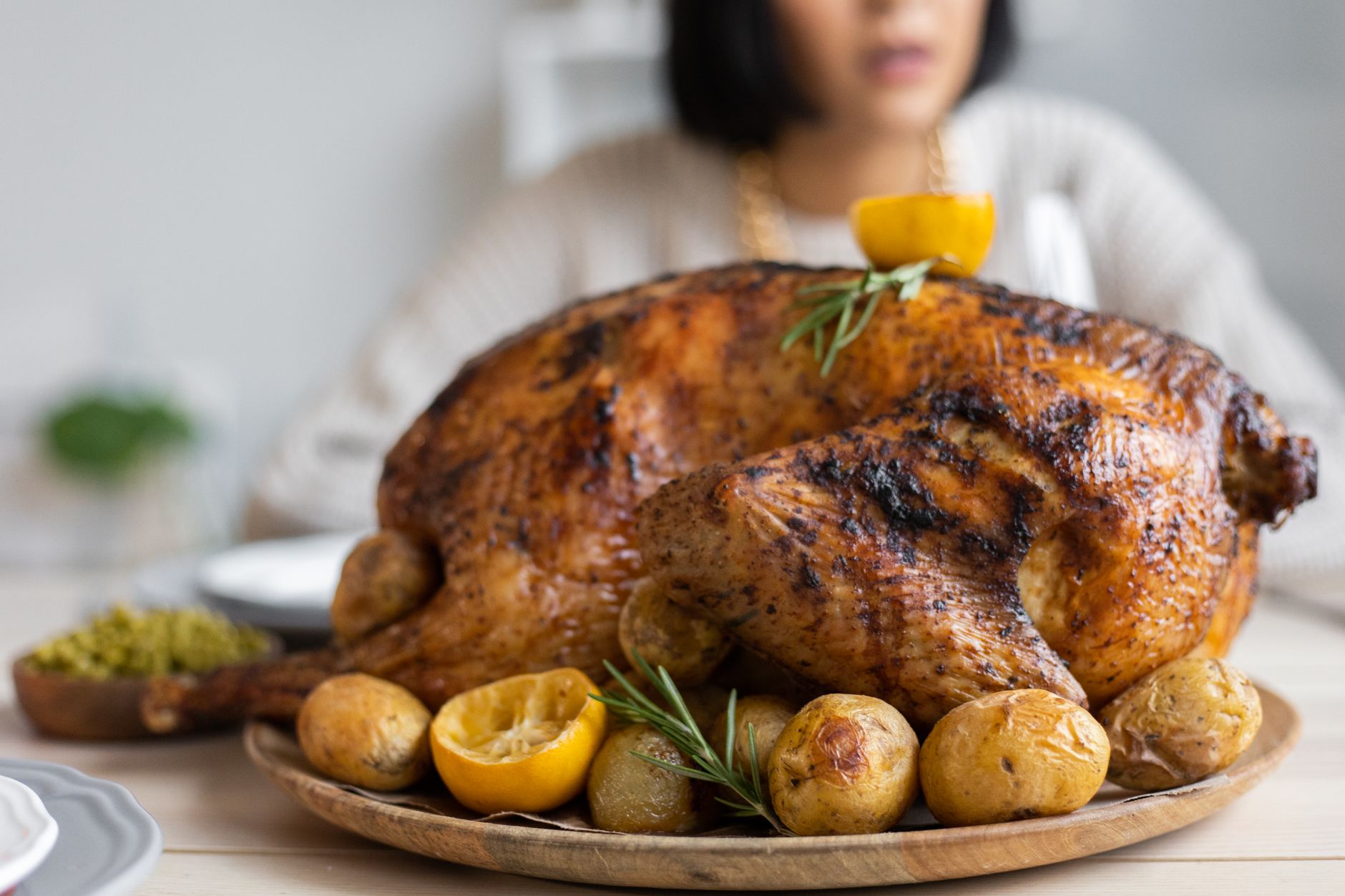
Cooking a turkey is a centerpiece for many gatherings, especially during the holiday season. It requires thoughtful preparation, a correct cooking method, and attention to detail to ensure that it is delicious and safe to eat. Understanding what you need to cook a turkey will empower you to create a memorable meal.
This guide covers everything from selecting the right turkey to seasoning, cooking techniques, serving suggestions, and essential tools for success. Whether you are an experienced cook or attempting your first turkey, you will find valuable insights here.
What Do You Need to Cook a Turkey?
To cook a turkey successfully, you will need a combination of ingredients, equipment, and understanding of cooking techniques. These elements will ensure the bird is juicy, flavorful, and properly cooked.
Ingredients You’ll Need
The ingredients for cooking a turkey typically include the bird itself and various seasonings. Here’s a detailed list:
- Turkey:
- Size depends on the number of servings—typically, a 12-14 pound turkey serves about 8-10 people.
- Seasonings:
- Salt and pepper (to taste)
- Herbs (such as rosemary, thyme, and sage)
- Garlic (fresh cloves or powder)
- Onion (either roasted or fresh)
- Butter or olive oil (for basting and flavor)
- Chicken broth or stock (for moisture and flavor during cooking)
- Stuffing (optional): You can use a traditional stuffing of bread, or opt for a vegetable-based or gluten-free stuffing, depending on preferences.
Essential Equipment
Having the right tools makes the process smoother and can impact the final result. Here’s a list of essential equipment needed for cooking a turkey:
- Roasting Pan: A sturdy roasting pan that can accommodate the size of your turkey is vital. A pan with a flat bottom is best to cook evenly.
- Meat Thermometer: A reliable instant-read meat thermometer is essential for determining when the turkey is cooked to a safe internal temperature.
- Basting Brush: For applying melted butter or oil to the turkey while it cooks.
- Carving Knife and Fork: Sharp knives will make carving the turkey easier and more precise.
- Cutting Board: A large cutting board helps to stabilize the turkey and ensures a clean surface for carving.
- Aluminum Foil: Useful for tenting the turkey during the cooking process to prevent over-browning.
- Serving Platter: For presenting your beautifully cooked turkey.
Preparing the Turkey
Preparation is a crucial step in the turkey cooking process. Here’s how to get started:
- Thawing:
If your turkey is frozen, plan for the thawing process, which typically takes at least 24 hours for every 4-5 pounds of turkey in the refrigerator.
- Brining (optional):
Brining the turkey can enhance its flavor and moisture. You can prepare a simple brine using water, salt, sugar, and your choice of spices. Submerge the turkey in the brine and refrigerate for 12-24 hours before cooking.
- Seasoning:
Pat the turkey dry with paper towels. Rub with salt, pepper, and your choice of herbs and garlic. If using butter or oil, spread it generously underneath the skin to enhance flavor and moisture.
- Stuffing (optional):
If you choose to stuff the turkey, do so just before cooking to avoid bacterial growth. Use a light hand when filling the cavity.
Cooking Methods for Turkey
There are several methods for cooking a turkey, each providing unique textures and flavors. Here are the popular ones:
Roasting
Roasting is the most common method used for cooking turkey and involves cooking it in the oven. Here’s how to do it:
- Preheat the Oven:
Commonly, turkey is roasted at 325°F (163°C). Preheat the oven while preparing your bird.
- Place in Roasting Pan:
Set the turkey breast-side up in the roasting pan. You can use a rack to improve air circulation and even cooking.
- Baste:
Baste the turkey every 30-45 minutes using pan juices or melted butter to help with flavor and moisture.
- Check Temperature:
Cook until the internal temperature reaches 165°F (74°C) in the thickest part of the thigh and at least 165°F (74°C) in the stuffing (if used).
- Rest:
Once cooked, allow the turkey to rest for about 20-30 minutes before carving. This helps retain the juiciness of the meat.
Deep Frying
Deep-frying a turkey results in a crispy exterior and juicy meat. This method requires special equipment and safety precautions:
- Equipment: Use a turkey fryer and a propane tank (follow manufacturer guidelines).
- Heat Oil: Fill the fryer with oil and heat it to 350°F (175°C).
- Fry: Carefully lower the turkey into the hot oil. Cook for about 3-4 minutes per pound of turkey.
- Check Temperature: Ensure the turkey reaches an internal temperature of 165°F (74°C).
Grilling
Grilling a turkey infuses a smoky flavor. Use indirect grilling to ensure even cooking:
- Prepare Grill: Preheat to medium heat with coals only on one side or gas burners on one side.
- Cook the Turkey: Place the turkey on the side of the grill without direct heat, cover it, and cook until the internal temperature reaches 165°F (74°C).
Common Mistakes to Avoid
Here are some frequent errors to be mindful of when cooking a turkey:
- Not allowing enough time for thawing or brining.
- Failing to use a meat thermometer to check for doneness.
- Overbasting, which can make the skin soggy.
- Carving the turkey too early, which can lead to a loss of juices.
Serving Suggestions
Presenting the turkey beautifully is just as important as cooking it. Here are ways to serve your turkey:
- Garnish: Use fresh herbs, citrus slices, or cranberries for decoration.
- Side Dishes: Pair with traditional sides like mashed potatoes, green bean casserole, stuffing, and gravy.
- Gravy: Make a rich turkey gravy using pan drippings for enhanced flavor.
Make-Ahead Tips
If you’re planning a large gathering, make-ahead strategies can help ease the stress:
- Prepare your brine a day ahead.
- Season and stuff the turkey the night before and refrigerate.
- Make side dishes and desserts ahead, ensuring they are easily reheated before serving.
Storage and Leftover Guidance
Turkey leftovers can be delicious but should be stored properly:
- Store leftover turkey in an airtight container in the refrigerator for up to 3-4 days.
- Freeze leftover turkey for later use, keeping it well-packaged for up to 6 months.
- Use leftovers in soups, sandwiches, or salads for new meals.
Additional Resources
For more related cooking tips, check out these resources:
Cooking a turkey is a satisfying endeavor that can be mastered with the right ingredients and techniques. Whether it’s your first time or you’re revisiting this classic dish, following these guidelines will ensure that you serve a turkey that impresses.
Explore more related recipes, cooking tips, or food guides to enhance your culinary skills and meal planning.