
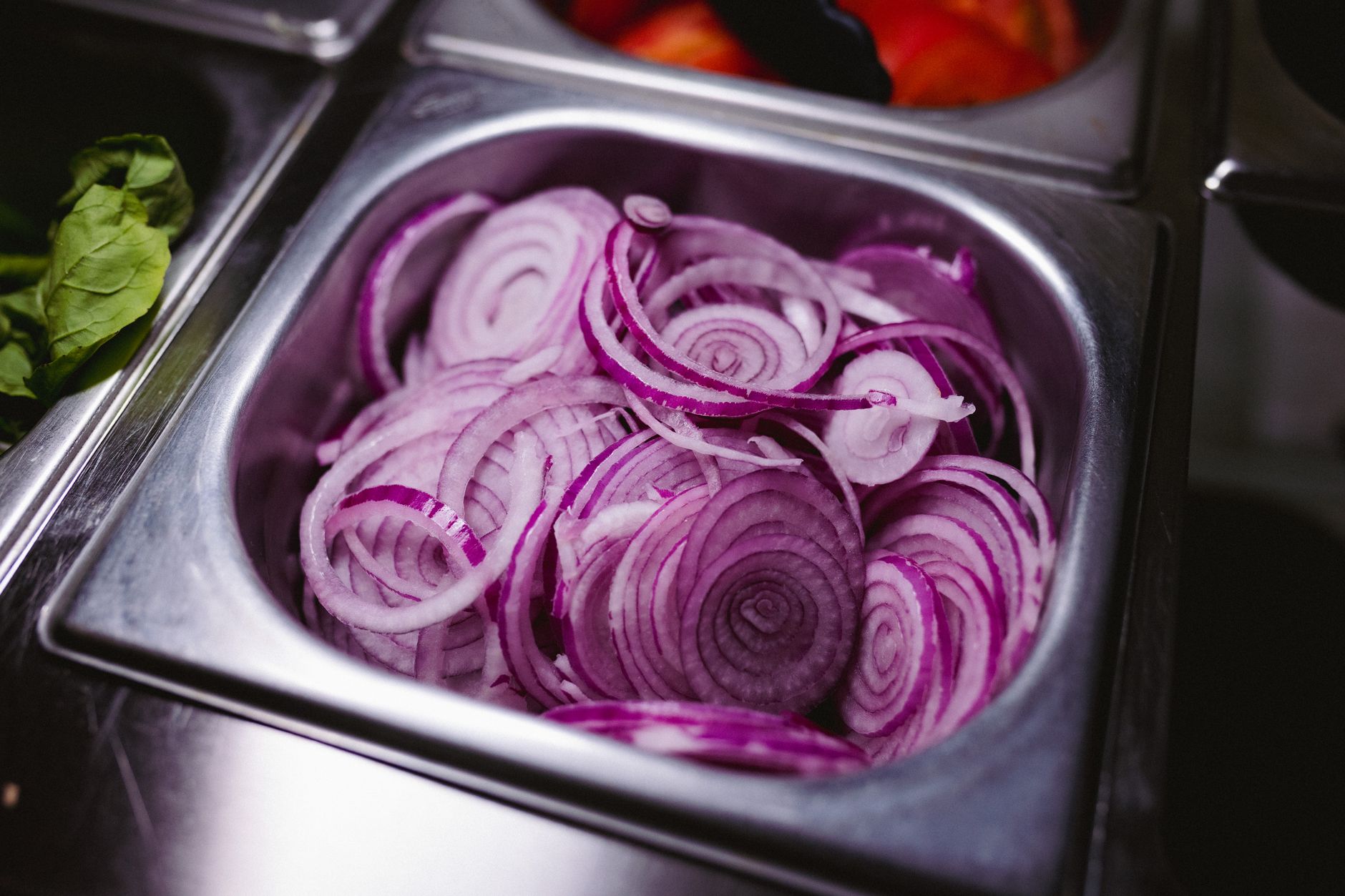
Onions are often regarded as a staple ingredient in various culinary traditions around the world. Their rich flavor profile, versatility, and numerous health benefits make them a must-have in any kitchen. But what do onions do for your body beyond enhancing flavor? In this article, we will explore the nutritional aspects of onions, their health benefits, and practical ways to incorporate them into your diet.
Whether you prefer them raw, sautéed, or caramelized, onions can be easily included in a range of dishes. Let’s delve into what makes this humble vegetable so beneficial to your overall health.
What Do Onions Do for Your Body?
Onions are packed with essential nutrients that offer a wide array of health benefits. They are low in calories, high in antioxidants, and provide vitamins and minerals that support bodily functions. From improving heart health to enhancing immune function, the effect of onions on your body is profound.
Nutritional Profile of Onions
To appreciate what onions can do for your body, it’s essential to understand their nutritional composition. Onions are composed mainly of water (approximately 89%), making them low in calories, about 40 calories per 100 grams. Here is a breakdown of key nutrients found in a typical raw onion:
| Nutrient | Amount per 100g |
|---|---|
| Carbohydrates | 9.34 g |
| Dietary Fiber | 1.7 g |
| Protein | 1.1 g |
| Fat | 0.1 g |
| Vitamin C | 7.4 mg (12% DV) |
| Vitamin B6 | 0.12 mg (6% DV) |
| Folate | 19 μg (5% DV) |
| Potassium | 146 mg (4% DV) |
Health Benefits of Onions
Onions offer a myriad of health benefits due to their rich phytochemical content. Here are some of the key benefits:
1. Rich in Antioxidants
Onions contain high levels of antioxidants, particularly quercetin, which is known for its anti-inflammatory properties. Antioxidants help combat oxidative stress in the body, reducing the risk of chronic diseases.
2. Heart Health
Consuming onions may help reduce bad cholesterol levels and lower blood pressure. Their flavonoid content, including quercetin, is associated with a decreased risk of heart disease.
3. Immune System Support
The vitamin C found in onions plays a crucial role in bolstering the immune system. It contributes to the production of white blood cells, which help the body fight infections.
4. Blood Sugar Regulation
Some studies suggest that onions may help regulate blood sugar levels, making them a beneficial addition for those managing diabetes. Compounds in onions may improve insulin sensitivity.
5. Digestive Health
Onions are a good source of dietary fiber, which aids in digestion and promotes a healthy gut. The prebiotics found in onions encourage the growth of beneficial bacteria in the gut.
6. Cancer Prevention
Some research indicates that the consumption of onions may lower the risk of certain cancers, including stomach and colorectal cancers. This effect is attributed to their sulfur compounds and flavonoids.
Including Onions in Your Diet
Adding onions to your meals is easy and versatile. Here are some practical ways to incorporate them into your diet:
1. Raw in Salads
Slicing onions thinly and adding them to salads can elevate flavors. Try red onions for a milder taste or sweet onions for a hint of sweetness.
2. Sautéed or Caramelized
Sautéing onions in olive oil can transform their flavor, making them a delightful addition to various dishes, from pasta to pizza. Caramelized onions add depth and sweetness to any meal.
3. Soups and Broths
Onions serve as a flavor base for many soups and broths. They can enhance both vegetarian and meat-based dishes.
4. In Dips and Spreads
Chopped onions can be added to dips such as onion dip or tzatziki for a zesty kick. They also work well in spreads and sandwich fillings.
5. Roasted and Grilled
Roasting or grilling onions brings out their natural sweetness. Serve them alongside grilled vegetables or as a topping for meats.
6. In Sauces and Marinades
Puree onions to incorporate them into sauces or marinades for an added depth of flavor.
Choosing and Storing Onions
Selecting and storing onions properly can enhance their shelf life and flavor:
1. Choosing Onions
Look for firm, dry onions with no soft spots or signs of sprouting. Choose the color based on your dish; yellow onions are versatile, while red and sweet onions are best for certain recipes.
2. Storing Onions
Store onions in a cool, dry place, preferably in a basket or mesh bag to allow airflow. Whole onions can last for several weeks, but once cut, store them in the refrigerator in a sealed container for up to a week.
Onion Substitutes in Cooking
If you’re out of onions or looking for alternatives, several substitutes can work, depending on your dish:
- Shallots: Milder and sweeter than onions, shallots can be used interchangeably in most recipes.
- Leeks: Offering a subtle onion flavor, leeks are great in soups and stews.
- Green Onions: Also known as scallions, these can replace onions in fresh salads and garnishes.
- Garlic: While it provides a different flavor profile, garlic can add depth where onions are intended.
- Fennel: With a mild anise flavor, fennel can be a creative alternative in certain recipes.
Common Mistakes When Cooking with Onions
While cooking with onions is straightforward, there are some common mistakes to avoid:
1. Overcooking
Cooking onions too long can result in a burnt flavor. Keep an eye on them and remove them from heat when they are slightly translucent for sautéed dishes.
2. Cutting Techniques
The uniformity of your cuts matters. Uneven pieces can cook at different rates, leading to overcooked or undercooked onions. Use a sharp knife for even slicing.
3. Skipping Rinsing
For raw onions in salads, consider rinsing them under cold water after slicing to reduce their pungency, especially if you’re sensitive to the sharp flavor.
4. Poor Storage
Incorrect storage can cause onions to sprout or decay rapidly. Always store them in a well-ventilated area to extend their freshness.
Make-Ahead and Meal Prep with Onions
Onions can be prepared ahead of time, making meal prep more efficient:
1. Chopping and Storing
You can chop onions in advance and store them in a sealed container in the refrigerator. They can last about a week when properly stored.
2. Caramelized Onions
Caramelizing large batches of onions and storing them in the refrigerator or freezer is an excellent way to save time. They can easily enhance future meals.
3. Onion Broth
Make a broth or stock that incorporates onions, then freeze it in ice cube trays for easy access when cooking.
Conclusion
Incorporating onions into your diet can significantly contribute to your culinary experiences and overall health. With their numerous benefits, versatile uses, and delicious flavors, onions are a remarkable addition to any meal. Fresh, cooked, or stored—in whatever way you enjoy them, onions can enrich your dishes and support your well-being.
For creative ways to use onions, check out our creamed onions recipe and learn how to make delightful onion jam. These recipes will help you explore the diverse flavors that onions can add to your meals.