
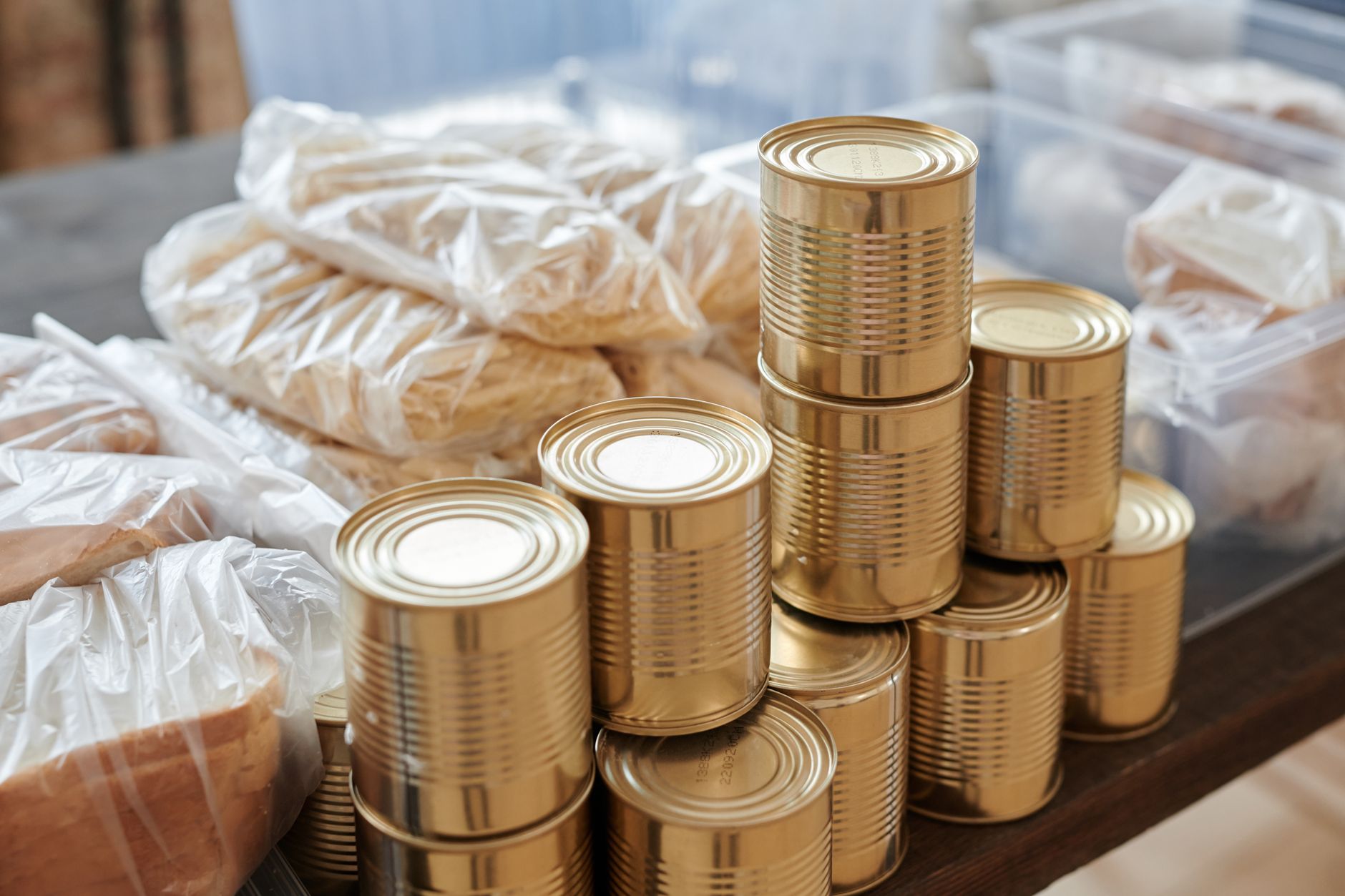
Food pantries play a vital role in supporting individuals and families facing food insecurity. Understanding what they need is essential for effective contributions, community support, and ensuring those in need receive nourishing meals. From staple items to specialized products, knowing what food pantries require can make a significant difference in the lives of many.
This guide explores the various categories of food and other items food pantries often seek. It also details the importance of each category to help potential donors understand how their contributions matter.
What Do Food Pantries Need?
Food pantries primarily need non-perishable food items, personal care products, and financial donations. Non-perishable items provide sustenance over time, while toiletries and hygiene products ensure the well-being of recipients beyond mere nutrition. Financial contributions can help pantries purchase fresh produce or cover operational costs.
Core Food Categories Needed
Food pantries generally focus on several essential categories of food. Each category fulfills specific dietary needs and helps create balanced meal options. Here’s a breakdown of the primary food types needed:
1. Canned Goods
- Canned Vegetables: Look for options without added sugars or high sodium.
- Canned Fruits: Choose those packed in water or natural juice.
- Canned Soups and Stews: These can serve as complete meals but watch for high sodium levels.
Canned goods are among the most requested items due to their long shelf life and ease of preparation. They offer convenience while ensuring essential nutrients are available to recipients.
2. Grains and Staples
- Rice: Any variety of white, brown, or specialty rices.
- Pasta: Includes spaghetti, macaroni, or whole grain options.
- Cereals: Look for whole grain options with low sugar content.
Grains are crucial for providing energy. They make up the backbone of many meals, and their versatility allows for various preparations, ideal for families facing food scarcity.
3. Protein Sources
- Canned Beans: Black beans, kidney beans, and chickpeas are popular choices.
- Peanut Butter: A good source of healthy fats and protein.
- Canned Fish: Tuna and salmon provide excellent protein options.
Protein sources are vital for maintaining health. They are particularly important for children, pregnant women, and the elderly, who may face greater nutritional needs.
4. Dairy and Alternatives
- Powdered Milk: A longer-lasting alternative to fresh milk.
- Canned Evaporated Milk: Great for cooking and baking.
- Dairy Alternatives: Non-perishable almond or soy milk options can cater to lactose-intolerant individuals.
Dairy products are another key component in providing essential nutrients like calcium and vitamin D. Alternatives can help meet diverse dietary requirements.
5. Snacks and Treats
- Granola Bars: Individually wrapped bars offer convenience and energy.
- Trail Mix: Provides a healthy snack option rich in protein and fiber.
- Popped Popcorn: Low-cost and popular among all age groups.
Snacks are crucial for many, especially children. Having healthy snacks available can aid in keeping energy levels stable throughout the day.
Other Essential Items Needed
Beyond food, food pantries often require various non-food items to assist those in need. Consider donating the following:
1. Personal Care Products
- Toothpaste and Toothbrushes: Maintaining dental hygiene is essential.
- Soap and Shampoo: Basic cleanliness aids in overall health.
- Deodorant: Personal hygiene products contribute to mental well-being.
Personal care items are vital but often overlooked. Lacking these essentials can impact individuals’ quality of life, making them as important as food donations.
2. Baby and Childcare Items
- Diapers: An essential but often costly need for families with infants.
- Baby Wipes: Useful for everyday child care.
- Formula: Essential for families with infants that need liquid nutrition.
Families with young children may face different challenges. Contributing to their specific needs ensures that their children remain healthy and nourished.
3. Household Supplies
- Paper Towels: Always necessary for maintaining cleanliness.
- Trash Bags: Essential for proper waste disposal.
- Cleaning Products: Supplies to maintain a hygienic living environment.
Household supplies ensure families can maintain their living spaces. These often come at an expense that can overwhelm low-income households.
Making Financial Contributions
Many food pantries also appreciate monetary donations. These contributions offer pantries flexibility, allowing them to purchase fresh produce or other perishable items that are not easily donated. Here are several benefits of donating money:
- Purchase Fresh Foods: Pantries can buy seasonal fruits and vegetables, which enhance the variety available.
- Operational Support: Funds can be used to cover utilities, rent, or staff wages.
- Flexibility: Monetary donations allow pantries to allocate resources based on the real-time needs of their communities.
How to Organize Food Drives
If you’re considering gathering food for your local pantry, a food drive is an excellent way to mobilize your community. Follow these steps to ensure a successful food drive:
- Determine Your Scope: Define the goals of your food drive, including how long it will last and what items to collect.
- Engage Community Leaders: Reach out to schools, businesses, and community organizations to encourage participation.
- Promote Your Drive: Use social media, flyers, and community boards to spread the word.
- Choose a Collection Point: Select a convenient location for participants to drop off donations.
- Sort and Deliver: Once collected, organize the items for the pantry and ensure a timely delivery.
Food drives can engage communities and provide much-needed resources for local pantries.
Common Mistakes to Avoid
When donating to food pantries or organizing food drives, a few common mistakes often occur. Being aware of these can help maximize the effectiveness of your contributions:
- Outdated Items: Always check expiration dates before donating. Pantries can’t distribute expired products.
- Heavy or Bulky Items: These can be harder to move and store, so focus on manageable packages.
- Ignoring Requests: If the pantry has a specific list of needed items, try to donate those. They know the community’s needs best.
Summary of Donation Best Practices
Before donating, remember these best practices to ensure your contributions are helpful:
- Check your local pantry’s website or call to inquire about current needs.
- Sort and package items neatly for easy handling.
- Consider volunteering your time; many pantries need assistance with logistics.
Understanding the needs of food pantries adds value to the process of giving. When you align your contributions with these needs, you can be confident that your support will make a tangible difference in your community.
As you consider how to help, think about coordinating with local shelters, engaging with schools for drives, or providing financial support to help pantries keep running effectively. Every effort counts and contributes to building a healthy, supportive community for those who need it most.
Explore related topics such as how to make healthy meals on a budget or what you can buy with food stamps to further enhance your understanding of food accessibility. Visit what can you buy with food stamps for more insights, or learn whether you can freeze chili for meal prep tips.