
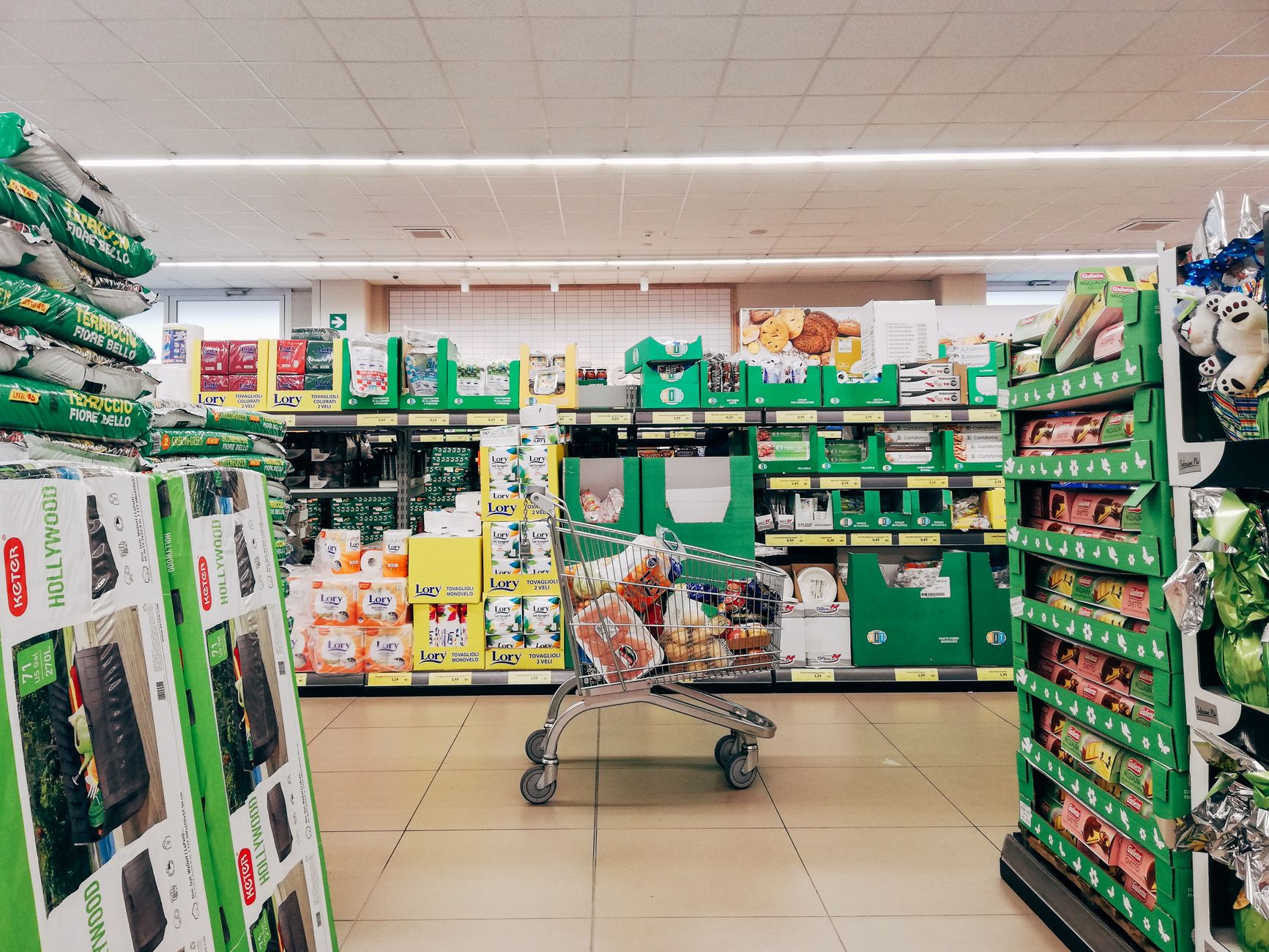
Food stamps, now officially known as the Supplemental Nutrition Assistance Program (SNAP), are designed to help low-income individuals and families purchase food. Understanding what you can buy with them is crucial for effective meal planning and budgeting.
This guide will clarify what items you can purchase with food stamps, how to maximize your benefits, and ideas for creating nutritious meals without breaking the bank. Whether you’re using benefits for the first time or want to refresh your grocery strategy, this article has you covered.
What Can You Buy With Food Stamps?
You can use food stamps to buy various food items, which include:
- Fruits and vegetables
- Meat, poultry, and fish
- Dairy products
- Breads and cereals
- Snack foods
- Seeds and plants for growing food
However, not everything in the grocery store is eligible. There are specific categories of items that you cannot purchase with food stamps, which will be discussed later.
Eligible Food Items
Fruits and Vegetables
Fruits and vegetables are essential for a balanced diet, and food stamps can be used to buy:
- Fresh fruits (e.g., apples, bananas, berries)
- Fresh vegetables (e.g., carrots, broccoli, spinach)
- Frozen fruits and vegetables
- Canned fruits and vegetables (in water or natural juice, not syrup)
- Dried fruits and vegetables
Meat, Poultry, and Fish
Food stamps are accepted for various protein sources, including:
- Fresh, frozen, or packaged meat (beef, pork, lamb)
- Poultry (chicken, turkey)
- Fish (salmon, tuna, cod)
- Shellfish (shrimp, crab)
Dairy Products
Cheese, milk, yogurt, and other dairy products are also eligible purchases:
- Whole milk and low-fat milk
- Cheese (block, shredded, or sliced)
- Yogurt (plain or flavored)
- Butter and margarine
Breads and Cereals
These staples are vital for many diets and can be purchased with food stamps:
- Whole grain breads
- Rice, pasta, and cereal
- Bakery products (e.g., bagels, tortillas)
Snack Foods
When looking for a treat, food stamps can also be utilized for snacks:
- Chips and crackers
- Granola bars and energy bars
- Nuts and seeds
Seeds and Plants for Growing Food
Food stamps can be used to purchase seeds and plants that can yield food, such as:
- Vegetable seeds (tomatoes, peppers, carrots)
- Herb plants (basil, cilantro)
- Fruit-bearing plants (strawberries, blueberry bushes)
Ineligible Items
While there is a broad range of items that can be bought, food stamps cannot be used for the following:
- Alcoholic beverages
- Non-food items (e.g., cleaning supplies, paper products)
- Vitamins and supplements
- Hot prepared foods
- Pet food
Maximizing Your Food Stamp Benefits
To make the most of your food stamp benefits, consider these strategies:
Meal Planning
Meal planning is an effective way to use your food budget wisely. Here’s how you can plan your meals:
- Assess what food items you already have at home to avoid duplicate purchases.
- Create a weekly menu, incorporating a mix of proteins, fruits, and vegetables.
- Make a shopping list based on your meal plan to stick to your budget while shopping.
Bulk Buying
Purchasing items in bulk can save money, especially for non-perishable goods like rice and canned tomatoes. Here are some bulk buying tips:
- Look for sales on bulk items at local grocery stores.
- Join wholesale clubs if the membership fee fits into your budget.
- Share bulk purchases with friends and family to split costs.
Cooking at Home
Switching from eating out to cooking at home saves money and allows you to control what goes into your meals:
- Simple recipes that use affordable ingredients.
- Batch cooking for freezer meals.
- Using leftovers creatively to prevent waste.
Using Farmers’ Markets
Many local farmers’ markets accept food stamps, offering fresh produce often at lower prices. Here are tips for utilizing them:
- Find a local farmers’ market that accepts SNAP benefits.
- Look for double-value programs that match your EBT benefits, allowing you to get more for your dollar.
- Explore seasonal fruits and vegetables for fresher options.
Recipes That Fit Your Food Stamp Needs
Cooking with fresh ingredients from your food stamp benefits doesn’t have to be boring. Here are two budget-friendly recipes that utilize eligible ingredients and help stretch your benefits.
Vegetable Stir-Fry
This quick and colorful vegetable stir-fry is packed with nutrition and can be customized based on what’s on sale or seasonal. It’s a perfect use for frozen or fresh vegetables.
Yield: 4 servings
Preparation time: 10 minutes
Cooking time: 10 minutes
Total time: 20 minutes
Ingredients
- 2 cups of mixed vegetables (frozen or fresh)
- 2 tablespoons of cooking oil
- 3 cloves of garlic, minced
- 1 tablespoon of soy sauce (optional)
- 1 teaspoon of sesame oil (optional)
- Salt and pepper to taste
- 2 cups of cooked rice or quinoa (for serving)
Essential Equipment
- Large frying pan or wok
- Cooking spatula
- Measuring spoons
Method
- Heat the cooking oil in the frying pan or wok over medium heat.
- Add minced garlic and sauté for about 30 seconds until fragrant.
- Add mixed vegetables and stir-fry for about 5-7 minutes until tender.
- Drizzle soy sauce and sesame oil if using, and stir to combine.
- Season with salt and pepper to taste.
- Serve over cooked rice or quinoa.
Chili con Carne
This hearty chili is perfect for batch cooking and utilizing leftover ingredients. It’s filling, nutritious, and easy to make.
Yield: 6 servings
Preparation time: 10 minutes
Cooking time: 30 minutes
Total time: 40 minutes
Ingredients
- 1 pound of ground beef or turkey
- 1 can (15 oz) of diced tomatoes
- 1 can (15 oz) of kidney beans, drained and rinsed
- 1 can (15 oz) of corn
- 1 onion, chopped
- 2 cloves of garlic, minced
- 1 tablespoon chili powder
- 1 teaspoon cumin
- Salt and pepper to taste
- Optional toppings (sour cream, cheese, or chopped green onions)
Essential Equipment
- Large pot or Dutch oven
- Cutting board and knife
- Measuring spoons
Method
- In a large pot or Dutch oven, brown the ground meat over medium heat until cooked through.
- Add chopped onion and garlic, and sauté for about 3-5 minutes until onions are translucent.
- Stir in diced tomatoes, kidney beans, corn, chili powder, cumin, salt, and pepper.
- Bring to a boil, then reduce heat and let simmer for about 20 minutes, stirring occasionally.
- Serve with optional toppings as desired.
Storage and Reheating Tips
Proper storage ensures that your meals last longer and maintain quality. Here are some tips for storing and reheating dishes made with food stamp-eligible items:
Storage Tips
- Cool dishes to room temperature before refrigerating.
- Store in airtight containers to prevent spoilage.
- Label containers with dates to track freshness.
Reheating Tips
- Use a microwave-safe container to reheat, adding a splash of water to maintain moisture.
- When reheating on the stove, use low heat and cover to reheat evenly.
- Ensure hot foods reach a safe internal temperature of 165°F before serving.
Summary of Food Stamp Usage
Understanding what you can buy with food stamps empowers you to make informed choices for your meals and budget. Focus on eligible food items, consider meal planning, and get creative with recipes to stretch your benefits.
Explore related recipes, cooking tips, or food guides for further inspiration. Check out tips on freezing cooked chicken or learn about freezing chili to maximize your food storage and meal prep strategies.