
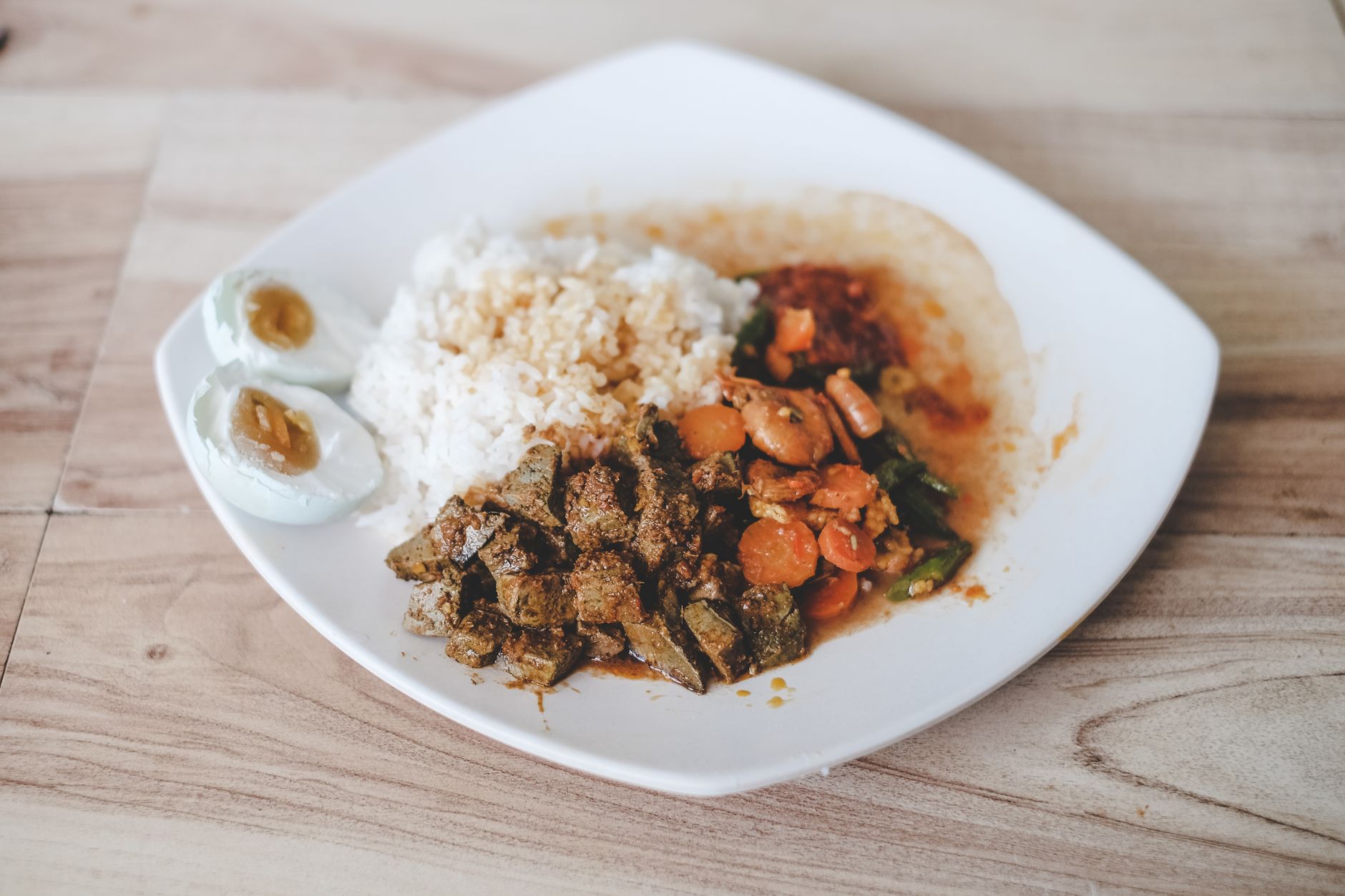
Chicken livers are a unique ingredient that many home cooks often overlook. While they hold a prominent place in culinary traditions around the world, their distinct flavor and texture can raise questions for those unaccustomed to cooking with organ meats. Understanding what chicken livers taste like is essential for knowing how to incorporate them into your meals effectively.
This article will explore the flavor profile, texture, and various uses of chicken livers, along with cooking methods, preparation tips, and some common recipes. By the end, you should feel equipped to experiment with this versatile ingredient.
What Do Chicken Livers Taste Like?
Chicken livers have a rich, often described as earthy flavor, with a slightly metallic undertone. Their taste can be somewhat stronger than chicken breast or thighs, making them a distinct addition to dishes. When cooked properly, chicken livers offer a creamy texture that many find appetizing, especially when paired with seasonings or sauces that enhance their natural taste.
The flavor can vary slightly based on cooking methods and preparation techniques. For instance, when sautéed with onions and herbs, the resulting dish becomes more fragrant and flavorful, complementing the natural taste of the livers. They are often enjoyed in patés, spreads, and various savory dishes.
The Nutritional Benefits of Chicken Livers
Beyond their flavor, chicken livers are packed with nutrients. They are rich in vitamins A, B12, and iron, making them an excellent option for those looking to boost their nutrient intake. Chicken livers also provide a source of high-quality protein, which is critical for muscle repair and overall health.
Why Cook with Chicken Livers?
Incorporating chicken livers into your cooking can add depth of flavor and nutritional benefits. They are cost-effective, typically more affordable than other cuts of meat, and can be used in various dishes. Their versatility allows you to explore different cuisines and cooking techniques, from traditional patés to modern stir-fries.
Flavor Comparison: Chicken Livers vs. Other Meats
When comparing chicken livers to other meats, a few key differences emerge:
- Chicken Breast/Thigh: Chicken breast is mild and versatile, offering a blank canvas for flavors. In contrast, chicken livers possess a richer, stronger taste that could dominate a dish if not balanced with other ingredients.
- Beef Liver: Beef liver is known for its more pronounced metallic and bitter flavors, making it less appealing to some. Chicken livers typically have a more subtle, palatable taste, ideal for those new to organ meats.
- Pork Liver: Pork liver has a flavor profile that sits between chicken and beef livers—richer than chicken but not as strong as beef. The texture is also creamier, making it a good alternative.
Texture Profile of Chicken Livers
The texture of chicken livers is one of their most appealing characteristics. Contributing to their overall experience, they are tender and smooth when cooked properly. The key to achieving the ideal texture is not to overcook them, as they can become grainy and dry.
When prepared correctly, chicken livers have a luxurious mouthfeel, often used in spreads and patés. In dishes like stir-fries or sautés, they maintain their tender quality, complementing the elements of the dish while still standing out.
How to Prepare Chicken Livers
Before cooking with chicken livers, proper preparation is essential. Here are some steps to ensure they are ready for your recipe:
- Purchase Fresh Livers: Look for plump chicken livers that are deep red in color. Avoid any that appear dull or have dark spots, as these can indicate spoilage.
- Clean and Trim: Place the livers in a bowl of cool water. Rinse gently to remove any blood or impurities. Use kitchen shears or a sharp knife to trim away any connective tissue or fat.
- Soak (Optional): Some cooks prefer to soak chicken livers in milk for about an hour before cooking. This can help mellow the flavor and enhance tenderness.
Popular Cooking Methods for Chicken Livers
Several cooking methods can highlight the flavor and texture of chicken livers. Here are a few popular techniques:
Sautéing
Sautéing is a quick and effective way to cook chicken livers, allowing you to control the doneness easily. Here’s a simple method:
- Heat olive oil or butter in a skillet over medium heat.
- Add chopped onions or shallots and cook until translucent.
- Add the cleaned chicken livers, seasoning with salt, pepper, and herbs of your choice.
- Sauté for 5-7 minutes, turning until they are browned but still slightly pink in the center.
Grilling
Grilling can add a smoky flavor to chicken livers. Marinate them beforehand to enhance their taste:
- Prepare a marinade with olive oil, lemon juice, garlic, and herbs (like thyme or rosemary).
- Let the livers marinate for at least 30 minutes.
- Preheat the grill to medium-high heat, then grill the livers for 3-4 minutes per side.
Baking
Baking offers a hands-off approach to cooking chicken livers, allowing you to incorporate them into larger dishes:
- Place cleaned and trimmed livers in a baking dish.
- Top with diced onions, garlic, herbs, and a splash of broth or wine.
- Bake at 375°F (190°C) for 20-25 minutes or until cooked through but still tender.
Common Dishes Featuring Chicken Livers
There are numerous ways to enjoy chicken livers in various cuisines. Here are some popular dishes:
- Pâté: A classic use for chicken livers, pâté combines them with cream, spices, and sometimes spirits for a smooth spread.
- Chicken Liver Risotto: Creamy risotto incorporates sautéed chicken livers for richness and depth.
- Sautéed Chicken Livers: Quickly cooked livers with onions and herbs make a savory main dish.
Flavor Pairings and Enhancements
To elevate the natural flavors of chicken livers, consider using complementary ingredients:
- Acidity: Ingredients like lemon juice, vinegar, or wine can cut through the richness of the livers.
- Herbs: Fresh herbs like thyme, parsley, and sage enhance the dishes’ overall flavor.
- Spices: Paprika, garlic, and black pepper add another layer of flavor.
Common Mistakes When Cooking Chicken Livers
Even seasoned cooks can run into issues when working with chicken livers. Here are common pitfalls to avoid:
- Overcooking: This can lead to dry, rubbery livers. Aim for a slight blush in the center for the best texture.
- Neglecting to Clean: Always clean and trim livers to remove any impurities.
- Using Too Many Strong Flavors: Since chicken livers have a distinct taste, balance strong flavors carefully to avoid overwhelming them.
Storage and Reheating Tips
If you have leftovers or want to batch-cook chicken livers, proper storage and reheating are crucial:
- Storage: Chicken livers should be refrigerated in an airtight container. Consume within two days of cooking.
- Freezing: If raw, chicken livers can be frozen for up to three months. Cooked livers should not be frozen due to their texture changes.
- Reheating: Reheat chicken livers gently in a skillet over low heat to avoid overcooking.
Conclusion
Chicken livers offer a unique culinary opportunity to explore deep flavors and creamy textures in your cooking. Their versatility allows for a range of dishes and enjoyable dining experiences. As you try chicken livers for the first time or return to them after a while, consider how their distinct taste can enhance your meals.
If you want to learn more about the nutritional value of chicken livers or discover unique flavor pairings, explore our articles on the nutritional benefits of chicken livers and the flavor of thyme to expand your cooking repertoire.