
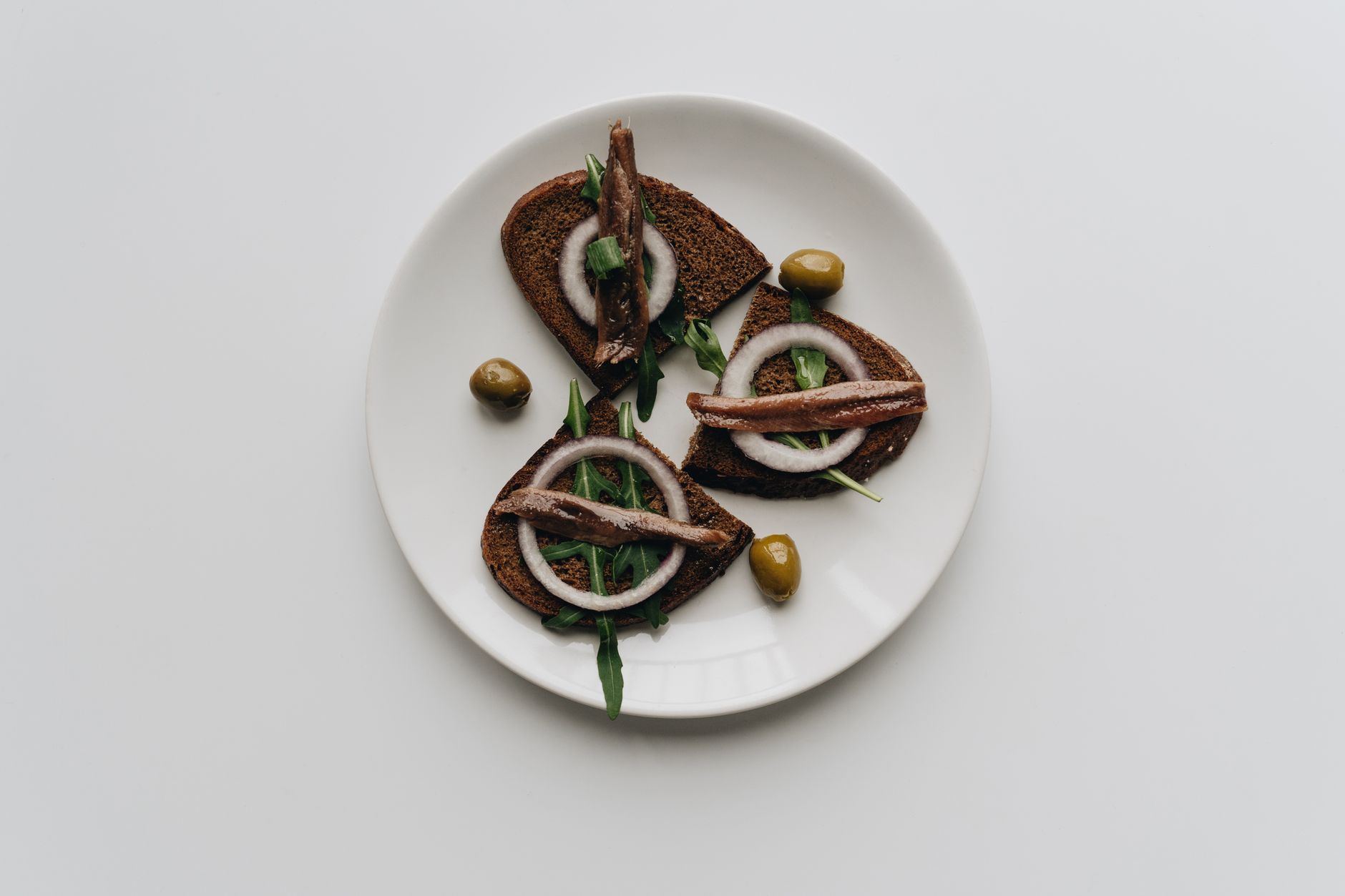
Anchovies may be a small fish, but they pack a substantial punch in terms of flavor. Often considered an acquired taste, these tiny, oily fish add depth, umami, and saltiness to various dishes. In this article, we will explore the taste, texture, culinary uses, and ideal pairings of anchovies.
By understanding anchovies better, you can incorporate them confidently into your cooking and enjoy their robust flavors. Whether you’re looking to enhance a salad, sauce, or pizza, anchovies can transform your dishes in exciting ways.
What Do Anchovies Taste Like?
Anchovies have a unique flavor profile characterized by their intense saltiness, distinct fishiness, and savory umami notes. The curing process, typically involving salt and oil, amplifies these flavors, making anchovies a powerful ingredient in cooking. They can be described as briny, slightly nutty, and even somewhat sweet when blended into sauces.
When cooked, anchovies melt into dishes, imparting a rich taste without a noticeable fishy texture. Whether you love them or have reservations about their flavor, understanding their taste can help you use them effectively in your meals.
The Texture of Anchovies
Anchovies typically have a delicate texture that softens when cooked or blended. Fresh anchovies have a tender, moist quality, while cured or canned varieties present a firmer, meaty texture. When cooked, anchovies can break down into a paste, seamlessly integrating into sauces and savory dishes without leaving chunks behind.
Culinary Uses of Anchovies
Anchovies serve a crucial role in many cuisines worldwide, particularly in Mediterranean and Italian cooking. Here are some common culinary uses:
- Condiments: Anchovy paste can be used in salad dressings, sauces, and dips.
- Pasta Dishes: They enhance the flavor of pasta sauces, such as puttanesca.
- Pizza Topping: Anchovies are a classic pizza topping, offering a salty kick.
- Meat Preparations: They can be used in marinades to add depth to chicken, beef, or lamb.
- Salads: Adding whole anchovies to salads, such as Caesar salad, offers both flavor and protein.
How to Choose and Prepare Anchovies
When selecting anchovies, the following considerations can enhance your experience:
Choosing Anchovies
- Fresh: If available, fresh anchovies should smell briny, not fishy. Look for firm, shiny bodies and avoid any that appear dull or have a strong fish odor.
- Canned: Opt for high-quality canned or jarred anchovies packed in oil or salt. They should be filleted uniformly and look oily but not mushy.
- Salt-Cured: Salt-cured anchovies are often the saltiest option. Choose them for intense flavor and use sparingly.
Preparing Anchovies
Here are a few tips for preparing anchovies:
- Rinse salt-cured anchovies under cold water to remove excess salt.
- Use a sharp knife to fillet fresh anchovies, if necessary; remove the heads and guts.
- For salads or pizza, leave the anchovies whole; otherwise, chop or mash them to integrate flavors into sauces.
Flavor Pairings with Anchovies
Anchovies are versatile and can complement a variety of ingredients. Here are some excellent flavor pairings:
- Garlic: The combination of garlic and anchovies creates a beautifully savory base.
- Citrus: Lemons or other citrus fruits can help balance the saltiness of anchovies.
- Cheese: Hard cheeses like Parmesan and Pecorino harmonize with anchovy flavors.
- Herbs: Fresh herbs like parsley, basil, and oregano enhance anchovy dishes.
- Tomato: Fresh or canned tomatoes pair exceptionally well, especially in pasta dishes.
Common Dishes Featuring Anchovies
Several traditional dishes highlight the distinct flavor of anchovies. Here are some to consider:
Caesar Salad
The classic Caesar salad relies on anchovies for its signature dressing, lending a rich umami flavor that balances with garlic and lemon juice.
Pasta Puttanesca
This robust Italian pasta dish uses anchovies to create a savory sauce combined with tomatoes, olives, capers, and garlic.
Pizza Napoletana
In traditional Neapolitan pizza, anchovies add a burst of flavor and saltiness that enhances the overall bite of the pizza.
Common Mistakes and How to Avoid Them
Using anchovies effectively requires some awareness to avoid common pitfalls:
- Overusing: Due to their intense flavor, it’s easy to use too many anchovies. Start with a small amount and gradually add more if desired.
- Ignoring Sauces: Incorporating them into sauces enhances the taste; simply sprinkling them on may not provide the desired impact.
- Not Balancing Flavors: Ensure to balance the salty nature of anchovies with other ingredients, such as acidity from citrus or vinegar.
Substitutes for Anchovies
If you find yourself without anchovies, several substitutes can offer similar flavors, though none completely replicate their unique taste:
- Worcestershire Sauce: This sauce contains anchovies and provides a similar depth of flavor; use it in dressings or marinades.
- Fish Sauce: Common in Asian cuisine, fish sauce can replace anchovies in recipes, though it’s usually saltier.
- Capers: While not fish, capers add a briny flavor that can substitute anchovies in salads and sauces.
- Miso Paste: A fermented bean paste with umami flavor; it can be a plant-based alternative in cooked dishes.
Serving Suggestions
Anchovies can be served in a variety of ways, depending on your dish:
- As a topping for salads, pizzas, or pasta.
- In dips mixed with sour cream or yogurt.
- As part of a charcuterie board, alongside cheeses, olives, and cured meats.
Storage and Reheating of Anchovies
Proper storage ensures that your anchovies retain their flavor and freshness:
Storage
- Canned Anchovies: After opening, store in a sealed container in the refrigerator. Cover them with oil to maintain moisture.
- Fresh Anchovies: Consume fresh anchovies within a day or two of purchase. Store them in the coldest part of the refrigerator.
- Salt-Cured Anchovies: Keep them in a cool, dry place. Once opened, they can be refrigerated.
Reheating
Reheating anchovy dishes should be done gently to maintain their flavor:
- For sauces, warm them over low heat to prevent the anchovies from becoming overly salty.
- When reheating pizza, use an oven or pan, allowing the anchovies to regain their natural oils.
Exploring Anchovy Recipes
If you’re inspired to include anchovies in your cooking, here are a few basic ideas:
- Create a Caesar dressing using anchovy paste, garlic, lemon juice, and olive oil.
- Make a puttanesca sauce with tomatoes, olives, garlic, and chopped anchovies served over pasta.
- Top grilled steak with a compound butter mixed with chopped anchovies and herbs for a flavorful twist.
Anchovies might just be the underrated ingredient your kitchen needs. While they can be intimidating, understanding their taste and uses can yield delicious results. By incorporating them into your favorite dishes, you’ll discover new layers of flavor that enhance your culinary repertoire.
For more insights on unique ingredients, explore how saffron tastes or what crab tastes like to elevate your cooking further.