
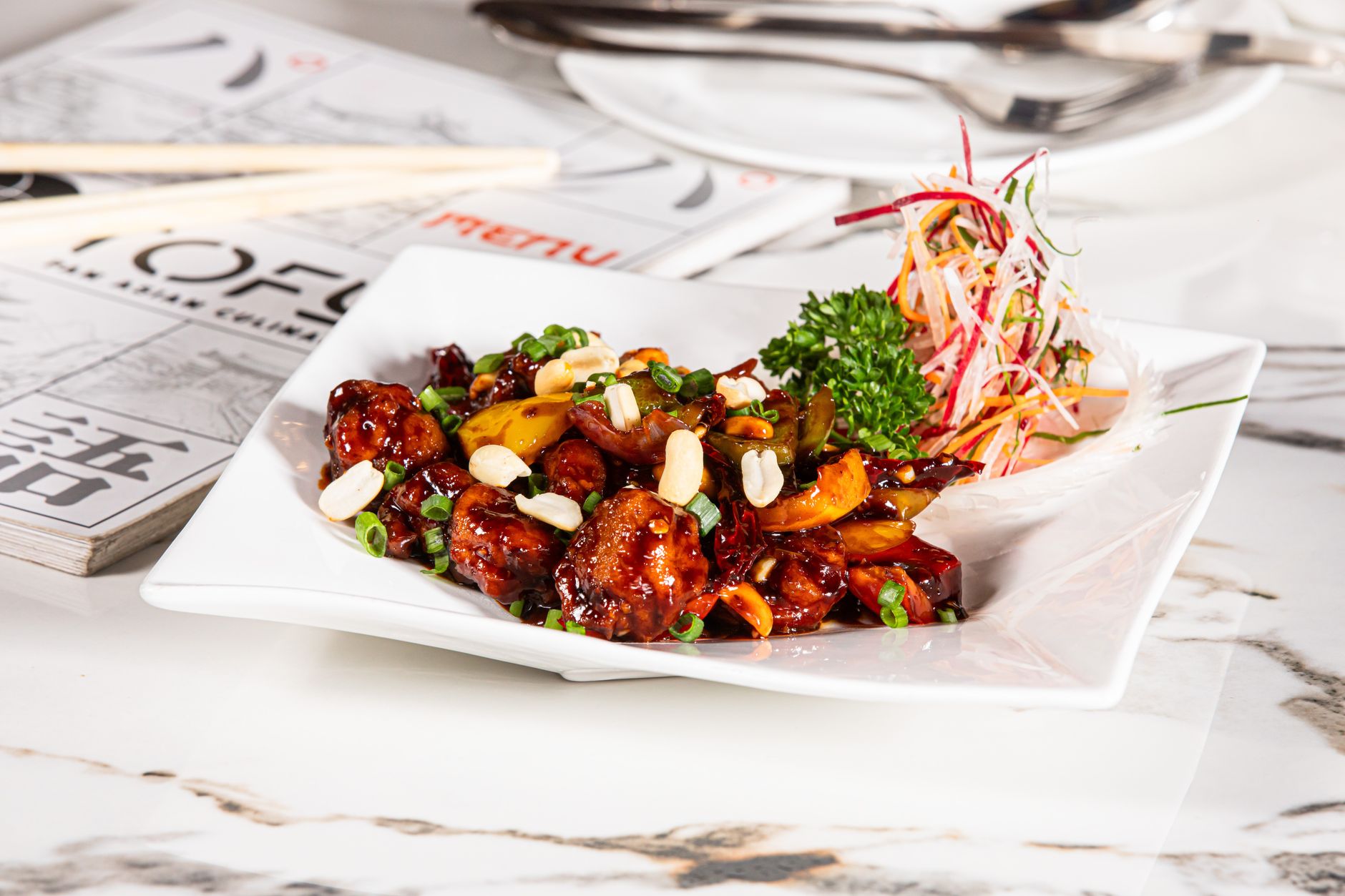
Kung Pao Chicken, a beloved dish originating from Sichuan Province in China, often sparks curiosity about its preparation methods. A frequently asked question is: is Kung Pao Chicken fried? The answer is nuanced, as the dish features fried chicken, but it is not typically categorized as “fried” in the same way as other popular dishes.
In this article, we will explore what Kung Pao Chicken is, its typical preparation methods, and how the techniques used can influence flavor and texture. Additionally, we will discuss variations, possible ingredient substitutions, and tips to prepare a delicious dish at home.
Is Kung Pao Chicken Fried?
Kung Pao Chicken does contain fried elements, particularly the chicken itself, which is usually diced, marinated, and stir-fried. Unlike traditional “fried” dishes that involve deep frying, Kung Pao Chicken utilizes stir-frying, resulting in a dish that is less greasy and allows the rich flavors of the sauce and ingredients to shine through.
The Origins of Kung Pao Chicken
This dish has roots in the late Qing Dynasty and is named after Ding Baozhen, a governor of Sichuan, who was known as “Kung Pao.” Historically, it was made with diced chicken, peanuts, and vegetables, highlighting the bold flavors characteristic of Sichuan cuisine.
Flavor Profile and Ingredients
Kung Pao Chicken is known for its deliciously balanced flavors—spicy, savory, and slightly sweet, with a nutty crunch from peanuts. The key ingredients include:
- Diced chicken: Typically boneless, skinless chicken breast or thigh.
- Vegetables: Bell peppers, scallions, and sometimes zucchini or carrots.
- Peanuts: Roasted unsalted peanuts add texture.
- Kung Pao sauce: A blend of soy sauce, vinegar, sugar, and often Sichuan peppercorns for a touch of heat.
- Aromatics: Garlic, ginger, and sometimes a hint of sesame oil.
Preparing Kung Pao Chicken
To recreate this traditional dish at home, you’ll want to follow a systematic approach, ensuring that each ingredient retains its distinct characteristics while complementing the overall flavor.
Ingredients
Here’s a complete ingredient list for a standard serving of Kung Pao Chicken:
- 1 lb boneless, skinless chicken breast, diced into bite-sized pieces
- 2 tablespoons soy sauce
- 1 tablespoon rice vinegar
- 1 tablespoon cornstarch
- 2 tablespoons vegetable oil
- 1/2 cup bell peppers, diced (red and green if desired)
- 3/4 cup unsalted roasted peanuts
- 2-3 scallions, chopped
- 2 cloves garlic, minced
- 1 tablespoon ginger, minced
- 1 tablespoon sugar
- 1 teaspoon Sichuan peppercorns (optional, for heat)
- 1 tablespoon sesame oil (optional, for flavor)
Essential Equipment
- Wok or large skillet
- Cooking utensils (wooden spoon or spatula)
- Cutting board and knife
- Mixing bowls
- Measuring spoons and cups
Step-by-Step Method
- Marinate the Chicken: In a mixing bowl, combine the diced chicken with soy sauce, rice vinegar, and cornstarch. Let it marinate for at least 30 minutes while prepping other ingredients.
- Prepare the Sauce: In a separate small bowl, mix the sugar, additional soy sauce, and optional sesame oil. Set aside.
- Heat the Wok: Heat the wok or skillet over medium-high heat. Add 1 tablespoon of vegetable oil and allow it to heat until it shimmers.
- Cook the Chicken: Add the marinated chicken to the hot oil. Stir-fry for about 5-7 minutes until the chicken is cooked through and browned. Remove the chicken from the wok and set aside.
- Sauté Aromatics: In the same wok, add the remaining tablespoon of oil. Sauté minced garlic, ginger, and Sichuan peppercorns for about 30 seconds until fragrant.
- Add Vegetables: Toss in the diced bell peppers and stir-fry for another 2-3 minutes until tender but still crisp.
- Combine Ingredients: Return the chicken to the wok and pour the prepared sauce over the mixture. Stir everything well and cook for another 2-3 minutes until heated through.
- Add Peanuts: Finally, stir in the roasted peanuts and chopped scallions. Cook for an additional minute for the flavors to meld.
- Serve: Serve hot with steamed rice or noodles, garnishing with extra scallions as desired.
Common Mistakes When Making Kung Pao Chicken
Even though Kung Pao Chicken is relatively simple to prepare, there are potential pitfalls to avoid:
- Overcooking the Chicken: Timely cooking is crucial to prevent toughness. Ensure the chicken is cooked through but still tender.
- Not Using Enough Heat: Stir-frying requires high heat to retain the integrity of the ingredients. A not-hot enough wok can lead to uneven cooking.
- Skipping the Marinade: The marinade is essential for flavor and texture; do not rush this step.
- Neglecting the Peanuts: Add peanuts at the end to keep some crunch and avoid overcooking.
Ingredient Substitutions
If you’re missing certain ingredients or want to customize your dish, consider these substitutions:
- Chicken: Replace with tofu for a vegetarian version or shrimp for a seafood twist.
- Peanuts: Cashews or almonds can be used for a different but equally satisfying crunch.
- Sichuan Peppercorns: If unavailable, use black pepper or omit them, but note that the flavor profile will differ.
- Vegetables: You can add broccoli, snap peas, or mushrooms for added color and nutrition.
Variations on Kung Pao Chicken
Numerous variations on the classic Kung Pao Chicken exist. Here are a few noteworthy examples:
- Kung Pao Tofu: A vegetarian alternative that uses tofu instead of chicken, still marinated and stir-fried.
- Kung Pao Beef: Substitute beef for chicken, keeping the seasoning and sauce largely unchanged.
- Kung Pao Quinoa: A grain-based variant that combines cooked quinoa with the traditional ingredients.
Storage and Reheating Guidance
Leftover Kung Pao Chicken can be stored in an airtight container in the refrigerator for up to three days. When reheating, do so in a skillet over medium heat to prevent the chicken from drying out. Adding a splash of water or extra sauce can help retain moisture.
Serving Suggestions
Traditionally served over steamed white rice or alongside stir-fried noodles, Kung Pao Chicken can also be accompanied by:
- Pickled vegetables for tanginess.
- Cucumber salad to balance the spiciness.
- Spring rolls as a crunchy side dish.
Cultural Significance
Kung Pao Chicken is not just a meal; it represents a part of Chinese culinary culture. The combination of flavors reflects the balance sought in traditional Chinese cooking—flavorful yet not overwhelming. It embodies a home-cooked meal, celebrating family and friends.
Conclusion
Kung Pao Chicken is a delightful dish that combines rich flavors and textures through fried chicken, peanuts, and a flavorful sauce. While it is not fried in the traditional deep-fried sense, the inclusion of stir-fried chicken makes it a delectable dish within the broader culinary landscape. Explore the numerous ways to enjoy this classic meal and adapt it to your tastes with creative variations and substitutions.
If you’re interested in making your own sweet and spicy sauce, check out our guide to Kung Pao sauce [here](https://mamassecretrecipes.com/kung-pao-sauce-recipe/). Also, explore our other recipes or cooking tips for more culinary inspiration!