
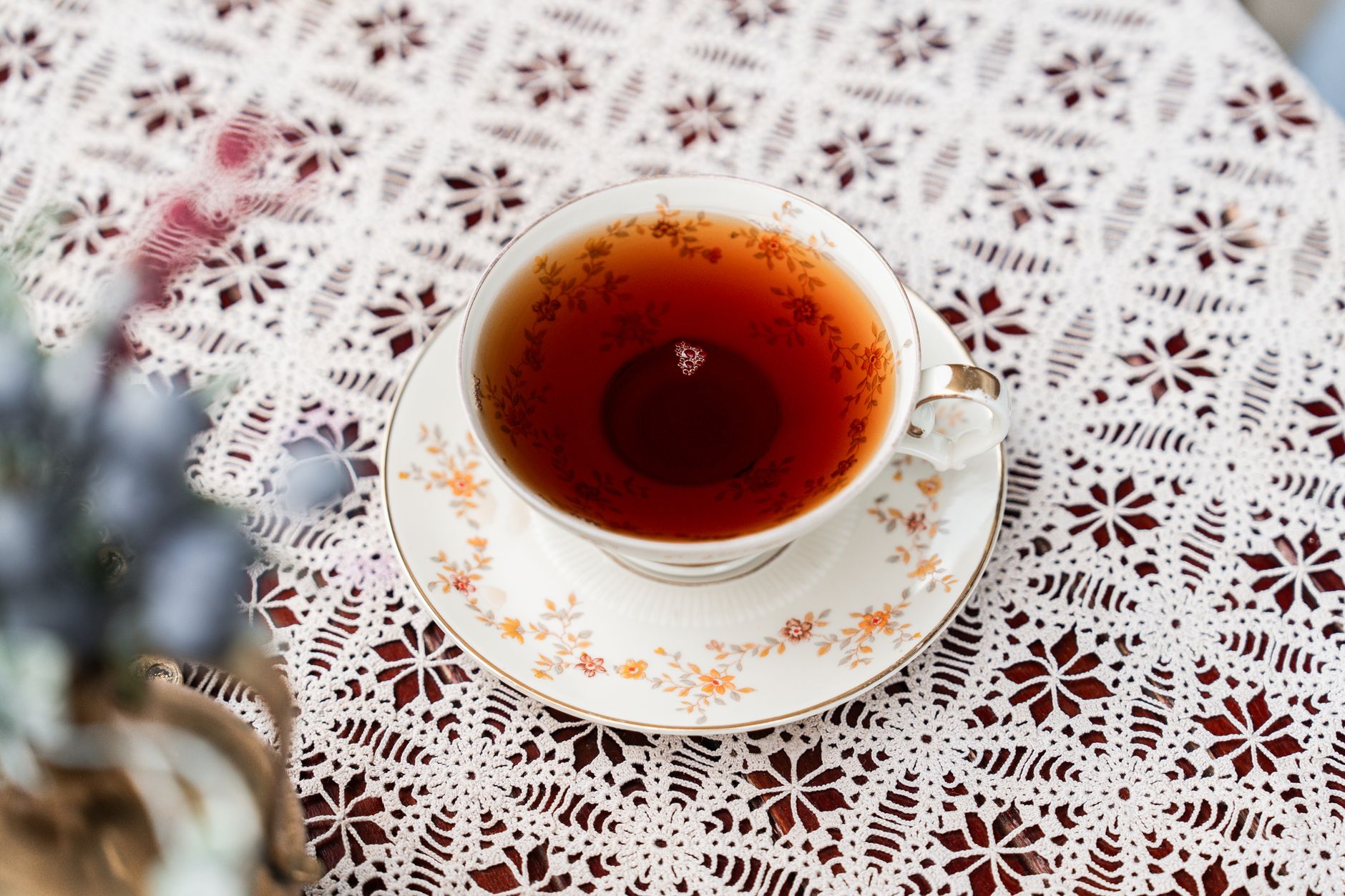
Pregnancy brings about numerous dietary considerations, and for many expectant mothers, beverages like tea often come into question. One common inquiry is whether black tea is safe to consume during pregnancy. Understanding the implications of drinking black tea while pregnant can help you make informed choices that align with your health and wellbeing.
This article will delve into the safety of drinking black tea during pregnancy, discussing caffeine content, potential benefits, and portion recommendations. Additionally, we’ll cover alternatives and tips for enjoying black tea responsibly while nurturing your health and that of your growing baby.
Can I Drink Black Tea While Pregnant?
Yes, pregnant women can generally drink black tea in moderation. Black tea contains caffeine, so it’s important to monitor your intake. The consensus is that limiting caffeine to about 200 mg per day is considered safe during pregnancy, which translates to approximately 1 to 2 cups of black tea, depending on the strength.
The Benefits of Black Tea
Black tea offers several potential health benefits that can be appealing during pregnancy:
- Antioxidants: Black tea is rich in antioxidants like polyphenols, which can help reduce oxidative stress.
- Heart Health: Consuming black tea may support heart health, as some studies suggest it can help maintain healthy blood pressure levels.
- Hydration: Black tea can contribute to your daily fluid intake, which is important for hydration.
- Digestive Aid: The tannins in black tea may aid digestion and help with issues such as bloating.
Caffeine Content in Black Tea
Caffeine is a natural stimulant found in various beverages, including black tea. The caffeine content can vary widely based on the type of tea and how it’s brewed. On average, an 8-ounce cup of black tea contains:
| Type of Tea | Caffeine Content (mg) |
|---|---|
| Regular Black Tea | 40-70 mg |
| Chai Tea | 50-100 mg |
To stay within the recommended caffeine limits during pregnancy, it’s essential to consider all sources of caffeine, including coffee, chocolate, and other teas. For more information on the caffeine content in chai tea, visit this guide.
Moderation and Recommendations
While enjoying black tea is generally safe, moderation is key. Here are several recommendations to consider:
- Limit Intake: Aim to consume no more than 1 to 2 cups of black tea per day.
- Watch for Symptoms: Be mindful of how your body reacts to caffeine. Some women may experience sensitivity, resulting in anxiety or trouble sleeping.
- Opt for Decaffeinated Options: If you’re concerned about caffeine, consider switching to decaffeinated black tea, which still offers flavor and potential benefits without the added caffeine.
When to Avoid Black Tea
Some situations may warrant avoiding black tea entirely:
- Pregnancy Complications: If you have specific complications during pregnancy, such as gestational diabetes or hypertension, it’s wise to consult your healthcare provider.
- High Caffeine Sensitivity: If you find that caffeine exacerbates anxiety or sleep issues, it might be best to limit or avoid it altogether.
Pregnancy-Friendly Alternatives to Black Tea
If you decide to limit your consumption of black tea or simply want to explore other options, here are some pregnancy-friendly alternatives:
- Herbal Teas: Naturally caffeine-free herbal teas, such as ginger or peppermint, can help with nausea and digestive issues.
- Fruit-infused Water: Adding slices of citrus or berries to water can provide flavor without caffeine.
- Rooibos Tea: This naturally caffeine-free tea is rich in antioxidants and has a robust flavor, making it a good substitute.
Cooking and Preparing Black Tea
When preparing black tea, consider the following steps to ensure a rich flavor and proper brewing:
- Choose Quality Tea: Select high-quality loose-leaf or bagged black tea to enhance flavor and aroma.
- Use Fresh Water: Start with fresh, cold water for the best taste.
- Temperature: Heat your water to about 200°F (93°C) for optimal extraction of flavors.
- Steeping Time: Allow your tea to steep for 3 to 5 minutes, depending on your taste preference for strength.
Experiment with steeping times to find the strength that suits you. If your tea becomes too bitter, consider reducing the steeping duration.
Common Mistakes When Drinking Black Tea During Pregnancy
Here are some common mistakes to avoid:
- Underestimating Caffeine Intake: Keep track of your total caffeine consumption from various sources to avoid exceeding recommendations.
- Sweeteners and Additives: Be cautious with sugar, cream, or flavored syrups, which can add empty calories and affect your health.
- Neglecting Hydration: While tea can contribute to hydration, remember to drink plenty of water throughout the day.
Storing and Reheating Black Tea
If you prefer to make larger batches of black tea, consider these storage tips:
- Refrigeration: Freshly brewed black tea can be stored in the refrigerator for up to 3 days.
- Reheating: When reheating, do so gently on the stove or in the microwave, avoiding boiling.
Conclusion
In moderation, black tea can be enjoyed during pregnancy, providing potential health benefits without excessive caffeine. Being mindful of your intake and understanding your body’s response is crucial for a healthy pregnancy journey.
Explore related recipes and food guides to enhance your cooking and maintain a balanced diet during this important time.