
Fatty liver disease is a growing health concern that affects many individuals worldwide. It’s essential to adopt a diet that not only helps manage the condition but also promotes overall liver health. Understanding the best dietary approaches can empower you to make informed choices and improve your well-being.
This article will explore the optimal diet for managing fatty liver disease, including which foods to include, portions to consider, and meal planning strategies to support liver function and health.
What Diet Is Best for Fatty Liver?
The best diet for fatty liver involves a well-balanced, nutrient-dense approach rich in whole foods. It primarily includes high-fiber fruits and vegetables, lean proteins, healthy fats, and whole grains while minimizing sugar, refined carbohydrates, and saturated fats.
Key Nutrients for Liver Health
When designing a diet for fatty liver, focus on incorporating specific nutrients that support liver function:
- Fiber: High-fiber foods aid in digestion and help reduce liver fat. Aim for whole grains, vegetables, fruits, legumes, and nuts.
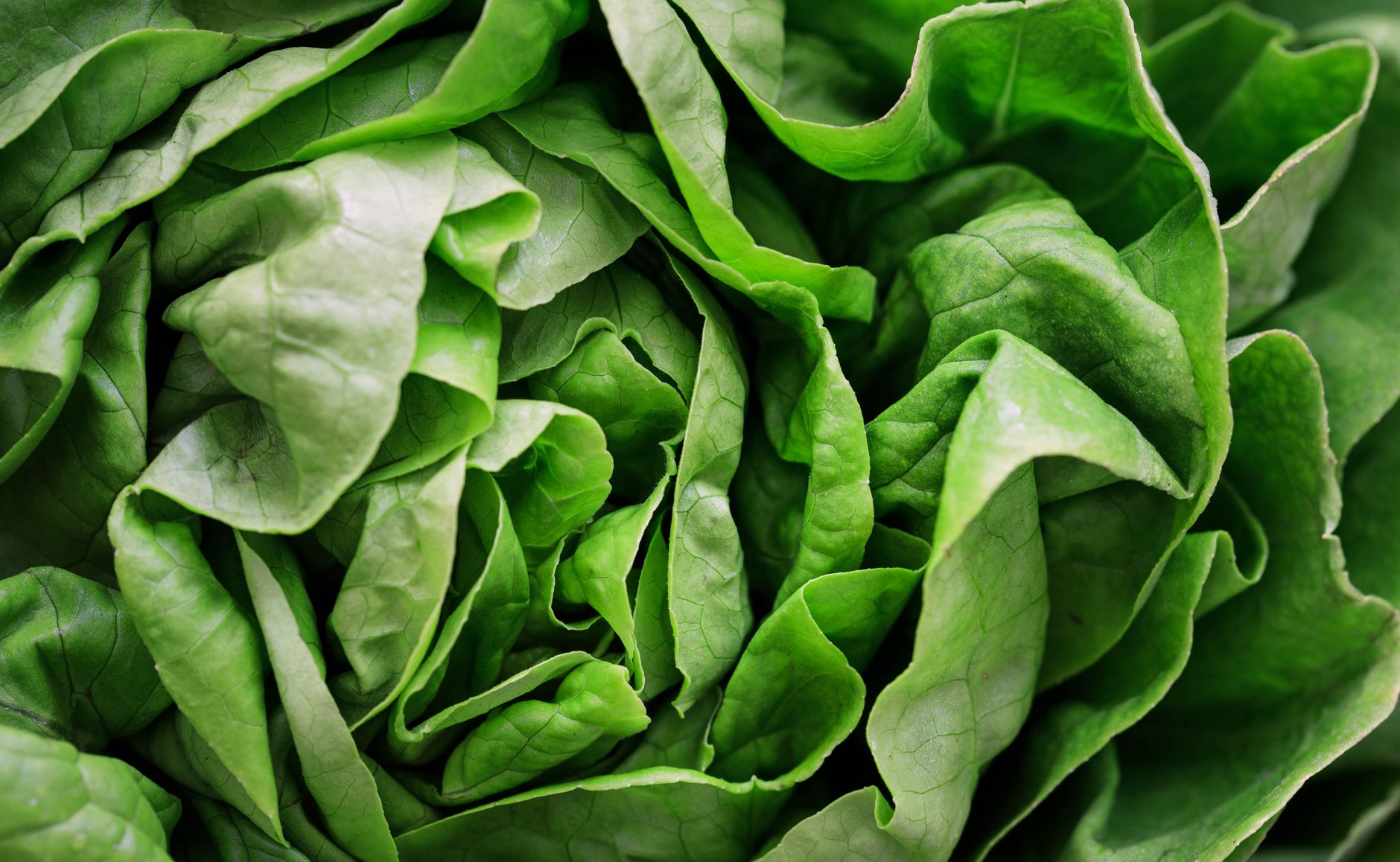
- Antioxidants: Foods rich in antioxidants help combat oxidative stress in the liver. Include berries, leafy greens, and nuts.
- Healthy Fats: Omega-3 fatty acids found in fish and plant-based sources reduce inflammation and liver fat. Opt for foods like salmon, walnuts, and flaxseeds.
- Lean Proteins: Choose low-fat protein sources such as chicken, turkey, legumes, and tofu to aid liver repair and function.
- Vitamins and Minerals: Vitamins E and D, as well as essential minerals like magnesium and zinc, support liver health. Incorporate a variety of nutrient-dense foods.
Foods to Include
The following foods are specifically beneficial for managing fatty liver disease:
Fruits and Vegetables
Fresh produce is packed with vitamins, minerals, and antioxidants. Aim for a colorful variety to capture diverse nutrients.
- Leafy greens: Spinach, kale, and arugula are excellent choices.
- Berries: Blueberries, strawberries, and raspberries provide antioxidants.
- Citrus fruits: Oranges, lemons, and grapefruits boost vitamin C intake.
- Cruciferous vegetables: Broccoli, cauliflower, and Brussels sprouts support detoxification.
Whole Grains
Choose whole grains over refined options to enhance fiber intake:
- Brown rice
- Quinoa
- Oats
- Whole grain bread or pasta
Healthy Fats
Focus on sources of unsaturated fats while limiting saturated fats:
- Olive oil
- Avocados
- Nuts and seeds (e.g., almonds, chia seeds)
- Fatty fish (e.g., salmon, mackerel)
Lean Proteins
Opt for lean sources of protein to support liver health:
- Skinless poultry
- Fish
- Legumes (e.g., lentils, chickpeas)
- Tofu and tempeh
Foods to Avoid
To effectively manage fatty liver disease, it is crucial to limit certain foods:
- Sugary Foods: Reduce consumption of sweets, sugary beverages, and desserts that are high in added sugars.
- Refined Carbohydrates: Limit white bread, pastries, and other refined grain products that spike blood sugar.
- Saturated Fats: Minimize high-fat meats, full-fat dairy products, and processed snacks.
- Alcohol: Avoid alcohol entirely, as it can exacerbate liver damage.
Portion Control and Meal Planning
Managing portion sizes and effectively planning meals can aid in preventing overeating and ensuring a balanced diet.
Portion Control Tips
Understanding appropriate portion sizes helps maintain healthy eating habits:
- Use smaller plates to prevent excessive portion sizes.
- Check food labels for serving sizes and stick to those recommendations.
- Listen to your body’s hunger cues and eat until satisfied, not stuffed.
Meal Planning Strategies
Taking time to plan meals can help keep you on track:
- Weekly Planning: Set aside a specific time each week to plan meals and snacks.
- Batch Cooking: Prepare larger quantities of foods like soups, stews, and grains to use throughout the week.
- Snacks: Keep healthy snacks on hand, such as cut vegetables, nuts, or yogurt, to manage cravings.
- Record Keeping: Maintain a food diary to track dietary habits and identify areas for improvement.
Sample Meal Plan for Fatty Liver
Here’s a sample meal plan to provide a practical guide:
| Meal | Option 1 | Option 2 |
|---|---|---|
| Breakfast | Oatmeal topped with berries and a sprinkle of nuts | Smoothie with spinach, banana, and protein powder |
| Lunch | Quinoa salad with chickpeas, tomatoes, and cucumber | Whole grain wrap with turkey, lettuce, and avocado |
| Dinner | Baked salmon, brown rice, and steamed broccoli | Stir-fried tofu with mixed vegetables over quinoa |
| Snacks | Carrot sticks with hummus | Greek yogurt with a drizzle of honey |
Common Mistakes and Troubleshooting
When following a diet for fatty liver, some common pitfalls may occur:
- Overlooking Hidden Sugars: Check food labels for hidden sugars in sauces, dressings, and processed foods.
- Neglecting Portion Control: Be conscious of portion sizes, especially with high-calorie foods.
- Skipping Meals: Avoid long periods without eating, as this can lead to overeating during meals.
Making Healthy Substitutions
Dietary changes may require some creative substitutions:
- Instead of Sour Cream: Use Greek yogurt for a healthier topping.
- Instead of White Rice: Substitute with quinoa or brown rice for added fiber.
- Instead of Butter: Use avocado or olive oil for cooking and baking.
When to Seek Professional Help
If dietary changes do not lead to improvements or if you have concerns about your liver health, consult a healthcare professional. A registered dietitian can provide personalized guidance tailored to your needs, including specific meal plans and strategies.
Staying Motivated
Changing dietary habits can be challenging but staying motivated is key:
- Set realistic and achievable goals.
- Find a support system, whether friends, family, or online communities.
- Celebrate small victories to boost morale.
Maintaining a diet for fatty liver disease involves a commitment to healthier eating habits and lifestyle changes. By focusing on nutrient-dense foods, practicing portion control, and planning meals wisely, you can positively influence your liver health and overall well-being.
If you’re looking to try more nutritious options, why not explore a delicious chia pudding recipe or whip up a tasty healthy tuna salad recipe? Each of these options provides wholesome ingredients that are beneficial for your health.