
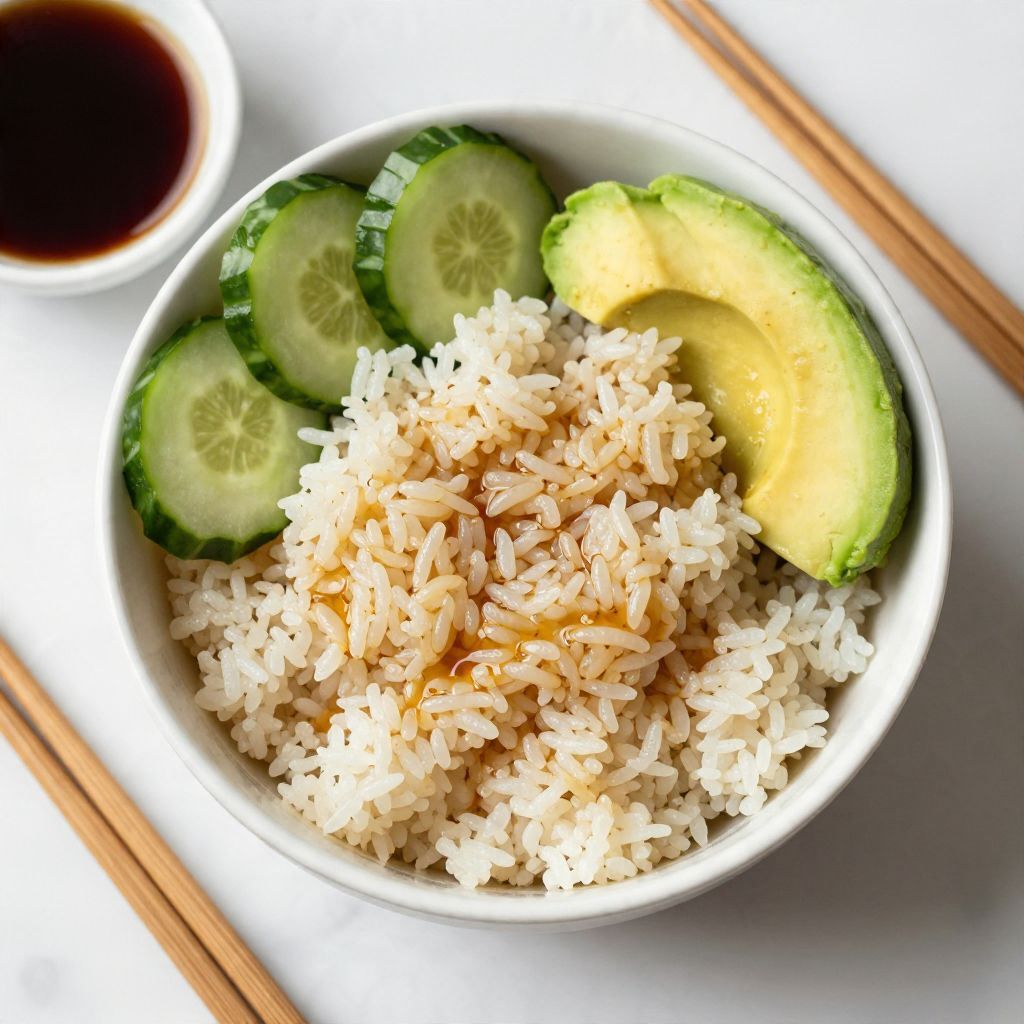
Picture this: a warm bowl of fluffy rice, seasoned perfectly, waiting to be wrapped in nori or piled high with fresh fish. That’s the magic of Sushi Rice, a crucial component that takes any sushi creation from ordinary to extraordinary. This recipe is special because it combines just a few ingredients to create a flavor-packed base that enhances every bite. With its sticky texture and subtly sweet taste, it’s the perfect canvas for your sushi adventures. Ready to roll? Let’s get into the details!
Why You’ll Love This Recipe
This recipe delivers a truly authentic sushi experience right at home.
- Easy to follow with minimal ingredients.
- Perfectly sticky texture that holds together well.
- Versatile for sushi, poke bowls, and more.
- Can be made in advance for a quick meal prep.
My Experience Making This Recipe
Making Sushi Rice always feels like a little culinary magic. The aroma of the rice as it cooks, combined with the tangy sweetness of the vinegar, fills the kitchen with a warm, inviting scent.
When I first served it, friends were amazed at how simple yet delicious it was. Watching them enjoy their sushi creations made the effort worthwhile.
Recipe Overview
- Recipe Name: Sushi Rice
- Servings: 4
- Prep Time: 10 minutes
- Cook Time: 20 minutes
- Total Time: 30 minutes
- Course: Side Dish
- Cuisine: Japanese
- Calories per Serving: 250
Equipment You Will Need
- Medium saucepan with a lid
- Rice cooker (optional)
- Wooden spoon or rice paddle
- Measuring cups and spoons
- Large bowl or dish for cooling
Ingredients for Sushi Rice
- 2 cups sushi rice
- 2 1/2 cups water
- 1/4 cup rice vinegar
- 2 tablespoons sugar
- 1 teaspoon salt
Ingredient Notes and Substitutions
- Sushi rice: This short-grain rice is sticky when cooked. You can substitute with short-grain brown rice for a healthier option, but cooking time will vary.
- Rice vinegar: This adds tangy flavor. Apple cider vinegar can work in a pinch, though it will alter the taste slightly.
- Sugar: This balances the vinegar’s acidity. You can use honey or agave syrup for a natural sweetener, but be cautious with the amounts.
- Salt: Enhances overall flavor. Sea salt is preferable, but regular table salt will suffice.
How to Make Sushi Rice
Step 1: Rinse the Rice
Start by rinsing the sushi rice under cold water. This removes excess starch and prevents the rice from becoming gummy.
Step 2: Soak the Rice
After rinsing, soak the rice in water for about 30 minutes. Soaking helps the grains absorb water evenly, ensuring a fluffy texture.
Step 3: Cook the Rice
Drain the soaking water and add the rice to a medium saucepan along with 2 1/2 cups of fresh water. Bring it to a boil over medium heat, then cover and reduce to low heat, allowing it to simmer for 18-20 minutes.
Step 4: Prepare the Vinegar Mixture
While the rice cooks, mix rice vinegar, sugar, and salt in a small saucepan over low heat. Stir until the sugar and salt dissolve, creating a smooth mixture.
Step 5: Fluff the Rice
Once cooked, remove the rice from heat and let it sit covered for 10 minutes. This resting time allows the grains to firm up before mixing.
Step 6: Combine Rice and Vinegar Mixture
Transfer the rice to a large bowl and gently fold in the vinegar mixture. Be careful not to mash the rice; you want to keep it fluffy.
Step 7: Cool the Rice
Allow the rice to cool to room temperature. You can use a fan or a wooden paddle to help speed up the cooling process.
Step 8: Store or Serve
Your sushi rice is now ready to use! If not using immediately, cover it with a damp cloth to prevent drying out.
Pro Tip: Always use short-grain rice for sushi; it’s the key to that perfect sticky texture.
Tips for the Best Sushi Rice
- Make sure to rinse the rice thoroughly for the best texture.
- Soaking is crucial; don’t skip it unless you want mushy rice.
- Use a wooden spoon or paddle to avoid breaking the grains.
- Let the rice cool naturally; avoid refrigerating it as it can dry out.
- Adjust the sweetness of the vinegar mixture to your taste preferences.
Common Mistakes to Avoid
- Not rinsing the rice: This leads to overly sticky and gummy rice.
- Skipping the soaking step: This can result in unevenly cooked rice.
- Using the wrong rice: Long-grain rice will not yield the same sticky texture.
- Overcooking the rice: This can lead to a mushy mess that’s hard to work with.
Serving Suggestions
Once your sushi rice is ready, the possibilities are endless. Pair it with fresh fish, colorful vegetables, or even use it for poke bowls.
- Salmon or tuna sashimi
- Vegetable rolls with avocado and cucumber
- Spicy tuna or crab salad on top
- Simple seaweed salad on the side
Variations to Try
- Add a splash of soy sauce for a savory twist.
- Mix in sesame seeds for added flavor and crunch.
- Infuse the rice with a dash of mirin for a touch of sweetness.
- Incorporate finely chopped herbs like cilantro for a fresh kick.
Dietary Adaptations
- Gluten-free: This recipe is naturally gluten-free; just ensure your vinegar is gluten-free.
- Dairy-free: No dairy is used in this recipe.
- Vegan/Vegetarian: The ingredients are plant-based, making it suitable for all diets.
- Low-carb/keto: This recipe is not typically low-carb due to the rice.
Storage and Reheating
Refrigerator
Store leftover sushi rice in an airtight container in the fridge for up to 3 days.
- Refrigerate promptly after cooling.
- Reheat gently in the microwave with a splash of water.
Freezer
For longer storage, freeze sushi rice in a freezer-safe container for up to 1 month.
- Cool completely before freezing.
- Thaw in the refrigerator overnight before using.
Reheating
To reheat, add a little water and microwave in short bursts, stirring occasionally.
- Avoid overheating to prevent drying out.
- Use a damp paper towel over the container while reheating.
Nutrition Information
| Nutrient | Amount |
|---|---|
| Calories | 250 |
| Total Fat | 0.5g |
| Saturated Fat | 0g |
| Carbohydrates | 55g |
| Fiber | 1g |
| Sugar | 2g |
| Protein | 5g |
| Sodium | 400mg |
| Cholesterol | 0mg |
This nutritional information is an estimate and can vary based on specific ingredients used.
Frequently Asked Questions
Can I use regular rice instead of sushi rice?
Regular rice won’t have the same sticky quality, which is essential for sushi.
Can I make sushi rice ahead of time?
Yes, sushi rice can be made a few hours in advance and stored covered to keep it fresh.
How should I store leftover sushi rice?
Store it in an airtight container in the refrigerator for up to three days.
Why is my sushi rice not sticky?
This usually happens if you didn’t rinse the rice enough or if you used long-grain rice.
Can I freeze sushi rice?
Yes, you can freeze it. Just make sure to cool it completely before placing it in a freezer-safe container.
Final Thoughts
Now that you know how to make perfect Sushi Rice, you can create a variety of delicious sushi dishes at home. It’s all about enjoying the process and experimenting with flavors.
So gather your ingredients and start rolling! For more tasty rice recipes, check out my favorite rice pudding recipe or try this delightful Puerto Rican rice recipe.