
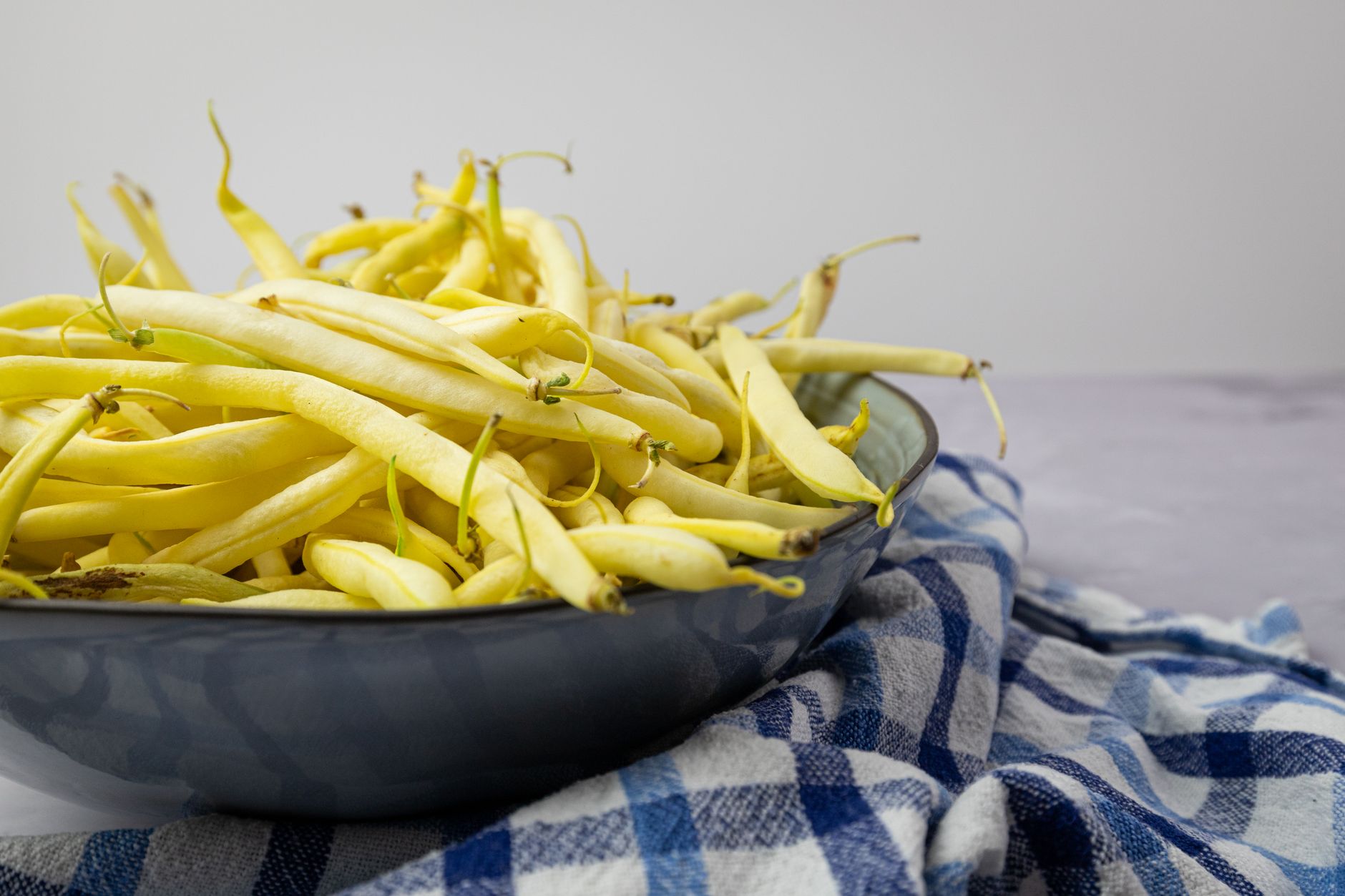
Wax beans are a vibrant variety of green beans that have a smooth, waxy skin and a crisp texture. They are often recognized for their yellowish hue, making them a visually appealing addition to a variety of dishes. In this guide, we will explore what wax beans are, their flavor profile, culinary uses, and how to serve them.
As a versatile ingredient, wax beans can be used in stir-fries, salads, or simply steamed as a side dish. With an understanding of their taste and best cooking methods, you’ll be able to incorporate them effortlessly into your meals.
What Are Wax Beans?
Wax beans, scientifically known as Phaseolus vulgaris, are a type of common bean closely related to green beans. They are part of the legume family and are appreciated for their tender texture and slightly sweet flavor. Their name comes from the thin waxy coating that gives them a glossy appearance and distinguishes them from other types of beans.
Flavor Profile of Wax Beans
Wax beans have a mild, slightly sweet flavor that is reminiscent of their green counterparts but with a more understated profile. When cooked, they retain a crisp bite, making them an excellent addition to both raw and cooked dishes. The tender yet firm texture makes them ideal for various preparations, from salads to sautéing, without losing their shape.
Ingredients in Wax Beans
- Wax beans (fresh or frozen)
- Salt (to taste)
- Pepper (to taste)
- Olive oil or butter (for sautéing or dressing)
- Additional herbs and spices (optional, such as garlic, lemon, or thyme)
Choosing Wax Beans
When selecting wax beans, look for those that are firm to the touch and have a bright, yellow color. Avoid beans that have blemishes, soft spots, or are yellowing. Fresh provides the best flavor and texture, but frozen wax beans can serve as a convenient alternative when out of season.
Preparation of Wax Beans
Preparing wax beans is straightforward. First, rinse them under cold water to remove any dirt or debris. Then, trim off the ends using a knife or kitchen scissors. Depending on the recipe, you may choose to leave the beans whole or cut them into smaller pieces.
Cooking Methods for Wax Beans
There are several cooking methods to choose from when working with wax beans. Each method can enhance their natural flavors and provide different textures. Below are some popular cooking techniques:
Steaming Wax Beans
- Prepare a pot with a steamer insert and fill the bottom with about an inch of water.
- Bring the water to a boil, then add the trimmed wax beans to the steamer insert.
- Cover and steam for about 5-7 minutes, or until the beans are tender-crisp.
- Season with salt and pepper before serving.
Sautéing Wax Beans
- Heat a tablespoon of olive oil or butter in a skillet over medium heat.
- Add the wax beans and cook, stirring occasionally, for about 5-8 minutes.
- If desired, add minced garlic during the last minute of cooking for extra flavor.
- Season with salt, pepper, and freshly squeezed lemon juice before serving.
Boiling Wax Beans
- Bring a large pot of salted water to a boil.
- Add the trimmed wax beans and boil for about 3-5 minutes until tender but still vibrant in color.
- Immediately transfer the beans to a bowl of ice water to stop the cooking process.
- Once cool, drain and serve with your choice of dressing or seasoning.
Serving Suggestions
Wax beans can be served in various ways, making them a fantastic addition to many meals. Here are some serving ideas:
- As a side dish, simply steamed and seasoned with butter, salt, and pepper.
- Sautéed with garlic and tossed with pasta or grains for a filling dish.
- Chopped and added to salads for a crunch without overwhelming the other ingredients.
- In stir-fries along with other vegetables and proteins for a colorful meal.
- Picked as part of a vegetable platter with dips for a fresh snack.
Storage and Shelf Life of Wax Beans
Fresh wax beans should be stored in the refrigerator to maintain their crispness. Store them in a perforated plastic bag, which allows air circulation while keeping moisture at bay. When properly stored, fresh wax beans can last about 5-7 days.
If you have cooked wax beans, allow them to cool before transferring them to an airtight container. They can generally be stored in the refrigerator for 3-5 days. For longer storage, consider freezing cooked wax beans after they have cooled completely.
Recipe Ideas Featuring Wax Beans
To inspire your creativity in the kitchen, here are a few easy and delicious recipes incorporating wax beans:
Wax Bean and Tomato Salad
This fresh salad combines crisp wax beans with juicy tomatoes, offering a delightful summer dish that is quick to prepare.
- 2 cups wax beans, trimmed and steamed
- 1 cup cherry tomatoes, halved
- 1/4 cup red onion, finely diced
- 1/4 cup olive oil
- 2 tablespoons balsamic vinegar
- Salt and pepper to taste
- In a large bowl, combine steamed wax beans, cherry tomatoes, and red onion.
- In a separate bowl, whisk together olive oil and balsamic vinegar.
- Pour the dressing over the salad and toss gently to coat.
- Season with salt and pepper before serving.
Stir-fried Wax Beans with Carrots and Bell Peppers
This vibrant stir-fry is not only colorful but also packed with nutrients, making it a quick dinner option.
- 1 cup wax beans, trimmed
- 1 cup bell peppers, sliced
- 1 cup carrots, julienned
- 2 tablespoons soy sauce
- 1 tablespoon sesame oil
- 1 tablespoon ginger, minced
- Salt and pepper to taste
- Heat sesame oil in a large skillet or wok over medium-high heat.
- Add ginger and cook for 30 seconds before adding bell peppers and carrots.
- Stir-fry for 3-4 minutes until vegetables begin to soften.
- Next, add the wax beans and soy sauce, continuing to stir-fry for another 5 minutes or until all vegetables are tender but still crisp.
- Season with salt and pepper before serving.
Common Mistakes When Cooking Wax Beans
While cooking wax beans can be simple, there are some common pitfalls to avoid:
- Overcooking: Wax beans should remain tender-crisp. Overcooking them can lead to a mushy texture and dull flavor.
- Under-seasoning: Always taste and season your dish, even if the beans are naturally mild. Adding salt, pepper, or zest can elevate the dish.
- Skipping the rinse: Always rinse fresh wax beans before cooking. This helps remove any dirt or pesticides and improves the overall taste.
Alternatives to Wax Beans
If you cannot find wax beans or are looking for variety, here are some suitable alternatives:
- Green beans: A close relative with a similar flavor but slightly different texture.
- Yellow beans: Similar in appearance and flavor; can be used interchangeably.
- Snap peas: While different in taste, snap peas provide a similar crunch and vibrant color.
Conclusion
Wax beans are a delightful and versatile ingredient that can brighten up any meal with their unique flavor and texture. Whether you’re steaming, sautéing, or adding them to salads, they are sure to please. With this guide, you have the knowledge to choose, prepare, and serve wax beans in ways that amplify their appeal.
To further enhance your cooking experience, consider exploring additional recipes like French green beans and Asian green beans. These resources will give you more ideas to make the most of your culinary adventures.