
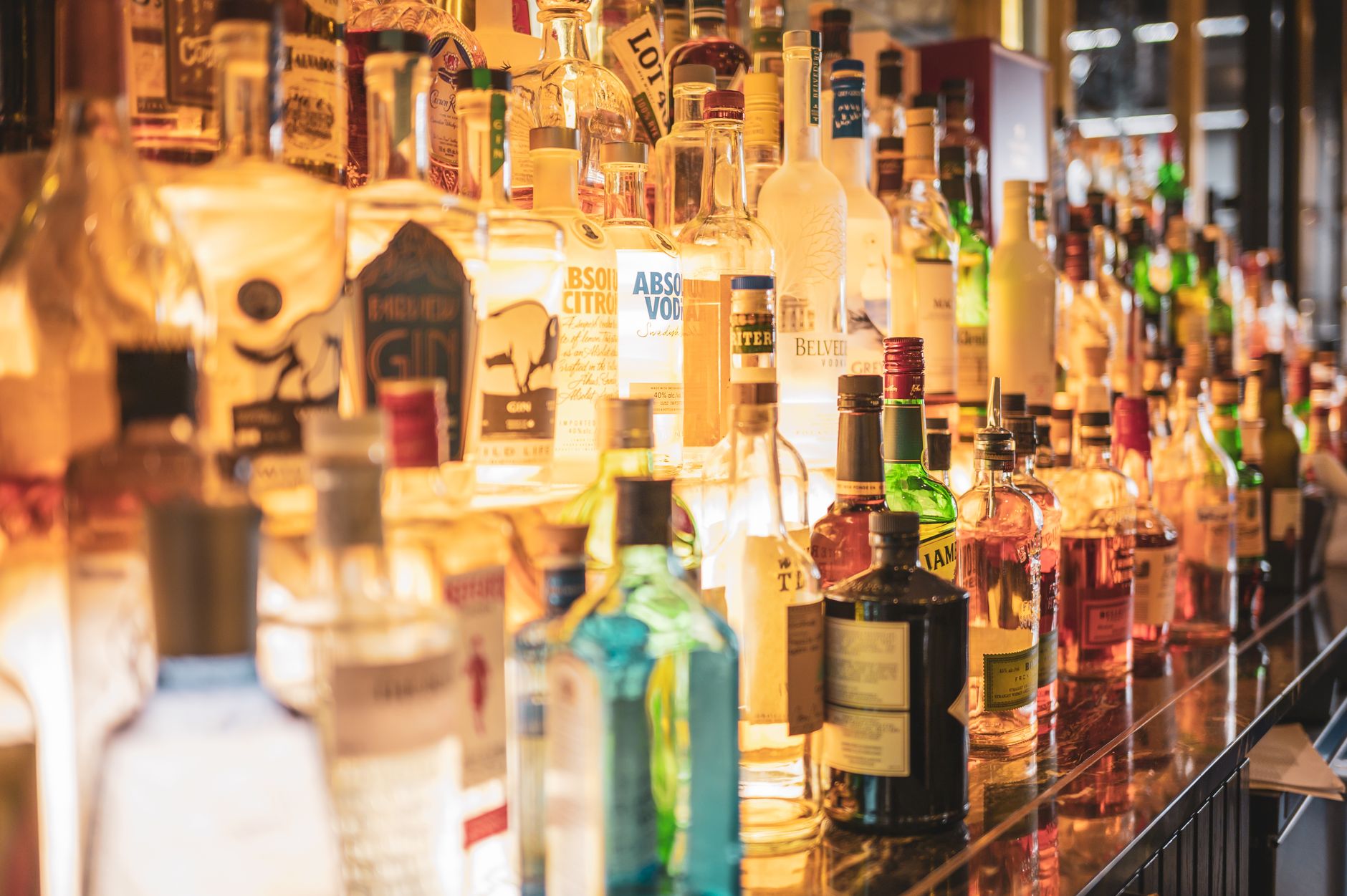
Gin has enjoyed a resurgence in popularity, treasured for its versatility in cocktails and its distinct botanical flavors. With a myriad of brands vying for consumers’ attention, several stand out due to their acclaim in various spirits competitions. Understanding which gin brands have been most awarded can guide you in selecting a bottle that truly elevates your drinks.
This article delves into the most awarded gin brands, exploring their unique ingredients, flavors, and suitable uses in cocktails and other beverages. Whether you are a gin enthusiast or just starting your journey into this aromatic world, this guide provides you with valuable insights.
What Are the Most Awarded Gin Brands?
The most awarded gin brands have received recognition for their craftsmanship, quality, and innovative flavors. These brands often combine traditional distilling methods with unique botanicals to create spirits that win medals at international competitions.
Notably, some of these brands include:
- Tanqueray London Dry Gin
- Beefeater London Dry Gin
- Bombay Sapphire
- The Botanist
- Hendrick’s Gin
Each of these brands has its own distinctive flavor profile and usage in cocktails, which we will explore further in this article.
Tanqueray London Dry Gin
Founded in 1830, Tanqueray is a name synonymous with high-quality gin. Its classic London Dry gin has a crisp, clean taste with a heavy juniper flavor, complemented by the presence of botanical ingredients like coriander, angelica root, and liquorice.
Tanqueray has garnered numerous awards over the years, including multiple gold medals at the San Francisco World Spirits Competition. Its perfect balance of botanicals makes it ideal for classic cocktails such as the Gin and Tonic or Martini.
Beefeater London Dry Gin
Beefeater, another stalwart in the gin market, was founded in 1863 in London. This gin showcases traditional botanicals, including juniper, coriander, and angelica, with hints of citrus from lemon peel and grapefruit.
The brand is noted for its relentless commitment to quality, earning it accolades at spirits competitions worldwide. Beefeater is versatile and can be used in a variety of cocktails, such as the refreshing Beefeater Gimlet or a simple G&T.
Bombay Sapphire
Known for its striking blue bottle, Bombay Sapphire has made a name for itself through its infusion of ten unique botanicals, providing a floral and aromatic profile. The primary flavors include juniper, lemon zest, and herbs, which contribute to its refreshing taste.
Founded in 1987, Bombay Sapphire is drawn from a rich history of English gin, with a smoothness that lends itself well to cocktails such as the classic Tom Collins or the popular Ramos Gin Fizz. The brand has won multiple awards, solidifying its status as a standout in the gin category.
The Botanist
The Botanist hails from the Isle of Islay in Scotland, where it merges traditional distilling techniques with the unique plants of its surroundings. With 22 hand-foraged botanicals, it creates a complex flavor profile reminiscent of the wild Scottish landscape.
This gin has gained respect within spirit circles, receiving awards from various competitions. The Botanist is perfect in cocktails that emphasize its delicate flavors, such as the French 75 or the Bramble.
Hendrick’s Gin
Hendrick’s is renowned for its distinct botanicals, particularly the infusion of cucumber and rose petals, which sets it apart from traditional dry gins. Crafted in small batches, its unique profile lends itself to a wide range of cocktails.
This gin has received numerous awards since its launch in 1999. It’s particularly well-suited for drinks like the Hendrick’s Gin and Tonic, where its floral and cucumber notes can shine.
Why Are These Brands So Highly Awarded?
The high level of recognition these brands receive is attributed to their adherence to quality ingredients, meticulous production methods, and innovative spirit flavor profiles. Award-winning gins often employ unique botanical blends and artisanal distillation processes, showcasing craftsmanship that appeals to both judges and consumers alike.
Here are some factors that contribute to their acclaim:
- Quality Ingredients: Most awarded gin brands prioritize using high-quality botanicals and natural, locally sourced ingredients.
- Traditional Distilling Techniques: Many of these brands utilize traditional pot stills and methods that enhance flavor extraction from botanicals.
- Innovation: Experimentation with flavors and botanicals keeps these brands at the forefront of the gin market.
- Consistency: High-quality control measures ensure that every bottle maintains the same flavor profile and quality expected by consumers.
Understanding Gin Ingredients
Gin primarily derives its flavor from juniper berries, which must comprise a significant portion of the botanical blend for the spirit to be classified as gin. However, the recipe can encompass a wide variety of additional botanicals.
Common categories of gin botanicals include:
- Citrus: Adds brightness and zest. Commonly includes lemon peel, orange peel, and other citrus fruit peels.
- Herbs: Such as rosemary, thyme, and basil, introducing earthy and aromatic nuances.
- Spices: Coriander seeds and grains of paradise introduce warmth and complexity.
- Floral Elements: Lavender, chamomile, and rose petals can enhance the scent and flavor profile with light and refreshing notes.
- Roots and Seeds: Angelica root and liquorice can provide a subtle sweetness and depth.
Popular Uses for Gin
Gin’s complex flavors make it a favorite for a variety of cocktails. Here is a closer look at popular gin cocktails and their preparation:
Gin and Tonic
This classic cocktail is celebrated for its refreshing qualities. The simplicity allows for experimentation with various gin types and garnishes.
- Fill a glass with ice.
- Pour 2 ounces of gin over the ice.
- Add tonic water to taste, usually about 4-6 ounces.
- Garnish with a slice of lime, lemon, or cucumber.
Martini
The martini is iconic and can satisfy a range of tastes through variations, so it’s a staple for any gin lover.
- Chill a martini glass.
- In a shaker with ice, pour 2 ounces of gin and 0.5 ounces of dry vermouth.
- Stir gently and then strain into the chilled glass.
- Garnish with an olive or a lemon twist.
Negroni
A perfect balance of bitter and sweet, the Negroni is appreciated for its rich flavor.
- In a mixing glass, combine 1 ounce of gin, 1 ounce of Campari, and 1 ounce of sweet vermouth.
- Fill the glass with ice and stir well.
- Strain into a rocks glass over fresh ice.
- Garnish with an orange wheel.
Tom Collins
This refreshing cocktail is an excellent choice for warm weather.
- In a shaker, combine 2 ounces of gin, 1 ounce of lemon juice, and 1 ounce of simple syrup.
- Shake with ice and strain into a tall glass filled with ice.
- Top with soda water and garnish with a lemon slice and a cherry.
Exploring Gin Pairings
Each gin has a distinctive flavor that can pair well with certain foods. Here are some pairing suggestions:
- Tanqueray: Pairs well with seafood dishes, especially grilled shrimp or fish tacos, due to its crisp profile.
- Beefeater: Complements chicken or pork dishes, as well as charcuterie boards, thanks to its versatile flavor.
- Bombay Sapphire: Enhances pasta dishes and even spicy Asian cuisine, where its herbal notes can shine through.
- The Botanist: Ideal with light salads, vegetable dishes, or even sushi, making the most of its fresh herb profile.
- Hendrick’s: Pairs beautifully with delicate foods, such as goat cheese salad or chocolate desserts, to balance its floral notes.
Common Mistakes When Mixing Gin Cocktails
Even with award-winning gin, certain mistakes can hinder your cocktail experience. Being aware of these can enhance your drink-making.
- Using Subpar Tonic Water: Quality tonic can elevate a simple gin and tonic immensely. Choose tonic with natural ingredients and avoid those with excessive sweetness.
- Overdoing the Garnish: Using too many garnishes can confuse the flavors. Stick to one or two that complement your chosen gin.
- Ignoring Ice Quality: Using old or poorly made ice can impact your drink’s taste. Fresh, clean ice is essential.
- Skipping Chilling: Serving cocktails at the right temperature is crucial. Always chill your glass and ingredients where possible.
Storage and Shelf Life of Gin
Proper storage of gin can preserve its quality for an extended period. Here are some tips:
- Store bottles upright to prevent any leakage from the cap.
- Keep gin in a cool, dark place away from direct sunlight, as UV rays can affect flavor.
- Once opened, gin can typically last indefinitely if stored correctly. Though it may lose some flavor over years, it is still safe to drink.
Final Thoughts on Awarded Gin Brands
Exploring the most awarded gin brands allows you to understand the quality and craftsmanship that go into each bottle. Whether you prefer traditional London Dry styles or unique botanical blends, there are award-winning options to suit every palate.
Try integrating these gins into your cocktail repertoire, experiment with various recipes, and discover the best pairings that enhance your drinking experience.
For a refreshing gin cocktail, try our Gin and Juice Recipe or mix up a classic with our Lychee Martini Recipe. Explore these recipes and elevate your gin experience!