
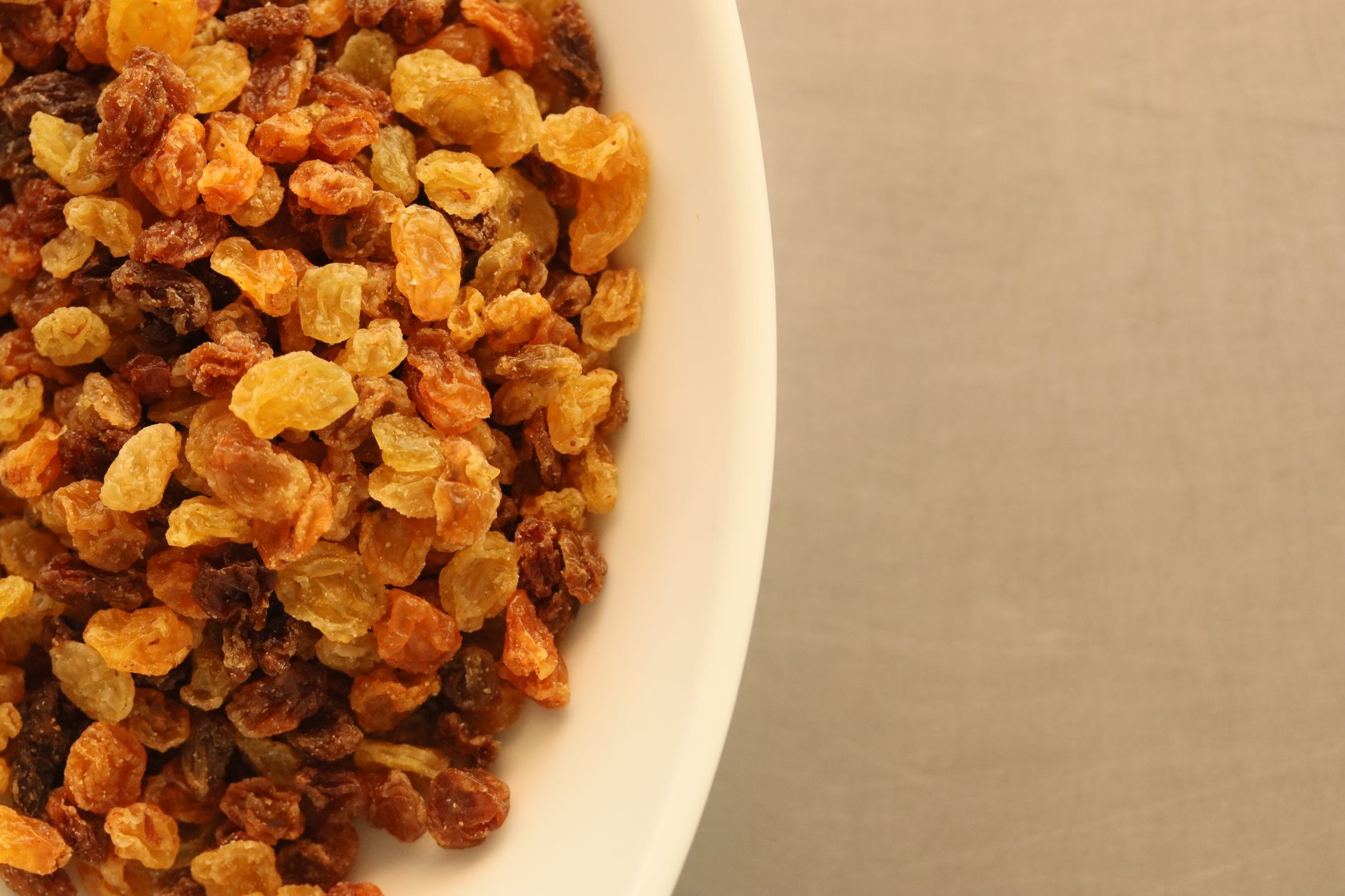
Raisins are small dried grapes that pack a punch when it comes to flavor, versatility, and nutritional benefits. They have been enjoyed for centuries, with a rich history that spans various cultures and cuisines. Whether you’re snacking on them directly, adding them to baked goods, or incorporating them into salads and savory dishes, the benefits of raisins extend beyond mere taste.
This article will explore the myriad benefits of raisins, from their impressive nutritional profile to their culinary applications. We will cover how to properly consume them, the different types of raisins, and ideas for incorporating them into your diet.
What Are The Benefits Of Raisins?
The benefits of raisins are extensive, making them a valuable addition to your diet. They are rich in essential nutrients, antioxidants, and dietary fiber. Regular consumption of raisins can benefit digestive health, provide a quick energy source, support heart health, and even aid in mineral absorption.
Nutritional Profile of Raisins
Raisins are often underestimated when it comes to their nutritional content. Here is a breakdown of their key nutrients.
Key Nutrients in Raisins
- Calories: About 299 calories per 100 grams.
- Carbohydrates: Approximately 79 grams, primarily from natural sugars.
- Dietary Fiber: About 3.7 grams, which aids in digestion.
- Vitamins: Raisins are a good source of vitamin B6 and contain some vitamin K and riboflavin.
- Minerals: High in potassium, calcium, iron, and magnesium.
- Antioxidants: Contain polyphenols, phenolic acid, and flavonoids.
Health Benefits of Raisins
Incorporating raisins into your diet can offer numerous health benefits. Here are some of the key advantages:
1. Rich in Antioxidants
Raisins are packed with antioxidants that help combat oxidative stress in the body. These antioxidants can reduce inflammation and lower the risk of chronic diseases. The phenolic compounds in raisins are particularly effective in neutralizing harmful free radicals.
2. Supports Digestive Health
Thanks to their high fiber content, raisins can aid in digestion. Consuming fiber-rich foods promotes regular bowel movements and can prevent constipation. Moreover, the fiber in raisins provides nourishment for beneficial gut bacteria, improving overall gut health.
3. Quick Source of Energy
Raisins are high in natural sugars, making them an excellent quick energy source. They are ideal for athletes or anyone needing a quick energy boost. Incorporating raisins into your snacks or meals can help replenish energy levels effectively.
4. Heart Health
The potassium and polyphenol content in raisins may contribute to heart health. Potassium helps regulate blood pressure, while polyphenols can improve circulation and reduce the risk of heart diseases. Eating raisins may also lower cholesterol levels.
5. Bone Health
Raisins contain calcium and boron, both of which are essential for bone health. Calcium is crucial for maintaining strong bones, while boron has been shown to support bone health by aiding in the absorption of calcium.
6. May Help Control Blood Sugar Levels
Raisins have a low to medium glycemic index, meaning they have a modest effect on blood sugar levels. The fiber content may also contribute to better blood sugar control, making them a more favorable option for those monitoring their sugar intake.
7. Excellent in Iron Absorption
Raisins are a good source of iron, which is crucial for the production of red blood cells. Consuming raisins can help enhance iron levels, particularly when combined with vitamin C-rich foods, as they aid in iron absorption.
Types of Raisins
Raisins come in various types, each with unique flavors and uses. Understanding the differences can help you choose the best type for your recipes or snacks.
1. Thompson Seedless Raisins
These are the most common type of raisins, known for their greenish-yellow color and sweet flavor. They are ideal for snacking and baking.
2. Crimson Raisins
Crimson raisins are darker in color and have a slightly richer flavor. They retain more moisture than other types, making them chewy and sweet.
3. Black Raisins
Made from dark-skinned grape varieties, black raisins have a bold flavor and are often used in both sweet and savory dishes.
4. Golden Raisins
Golden raisins are usually made from green grapes and dried using a special process that preserves their light color. They have a sweet-tart flavor and are great in salads and desserts.
5. Sultana Raisins
Sultana raisins are seedless and made from white grapes. They are plump, sweet, and often used in baking and cooking.
How to Use Raisins in Cooking and Baking
Raisins are a versatile ingredient that can be utilized in numerous dishes, adding sweetness, texture, and depth of flavor. Here are some practical suggestions for using raisins:
1. Snacking
Raisins are an excellent on-the-go snack. Pair them with nuts or yogurt for a protein-packed mini meal.
2. Baked Goods
They add moisture, flavor, and texture to baked goods such as muffins, cookies, bread, and cakes. Consider incorporating them into oatmeal cookies or spice cakes for a delightful twist.
3. Salads
Raisins work wonderfully in salads, adding sweetness and contrast to savory ingredients. They can elevate green salads, grain salads, or chicken salads.
4. Savory Dishes
In Middle Eastern cuisine, raisins are often used in savory dishes, providing a sweet contrast to rich flavors. They can be added to pilafs, tagines, or roasted vegetables.
5. Trail Mixes
Create your own trail mix by combining raisins with nuts, seeds, and dark chocolate for a healthy snack option.
6. Sweets and Desserts
Raisins can be used in various desserts such as rice pudding, bread pudding, or as toppings for ice cream.
Portion Size and Consumption Tips
When enjoying raisins, portion size is essential due to their calorie density. A serving of raisins is typically around 1/4 cup, which contains roughly 100 calories and 26 grams of carbohydrates. Here are some tips for incorporating raisins into your diet sensibly:
- Balance: Combine raisins with protein-rich foods to enhance satiety.
- Hydration: Drink plenty of water since the fiber in raisins can absorb moisture in your digestive tract.
- Variety: Mix different types of raisins for a varied flavor experience.
- Storage: Keep raisins stored in an airtight container in a cool, dry place to maintain freshness.
Common Mistakes When Using Raisins
While raisins are easy to incorporate into your meals, here are some pitfalls to avoid:
- Using Old Raisins: Check the freshness. Stale raisins can lose flavor and texture.
- Overdoing It: Due to their natural sugar content, moderation is key to maintaining balanced blood sugar levels.
- Skipping Soaking: For certain recipes, especially with dry or chewy raisins, soaking them in warm water can enhance flavor and texture.
Storage and Preservation of Raisins
Proper storage of raisins is crucial to maintain their sweetness and texture over time. Here’s how to prolong their shelf life:
1. Airtight Containers
Store raisins in airtight containers to prevent exposure to moisture and humidity, which can lead to mold or spoilage.
2. Cool, Dark Place
Avoid direct sunlight and heat. Store them in a pantry or cupboard away from extreme temperatures.
3. Refrigeration
Raisins can be refrigerated to extend their freshness, but they should be sealed in moisture-resistant containers to prevent drying out.
Conclusion
Raisins are more than just a sweet treat; they offer various health benefits and culinary applications. Their nutrient density, combined with versatility, makes them an exceptional addition to various dishes. Whether you’re snacking, baking, or cooking, raisins provide flavor and nourishment that can’t be overlooked. Consider incorporating them into your meals today for a healthy boost!
For more culinary inspiration, consider trying our raisin pie recipe or carrot raisin salad recipe for delicious ways to enjoy this nutrient-packed ingredient.