
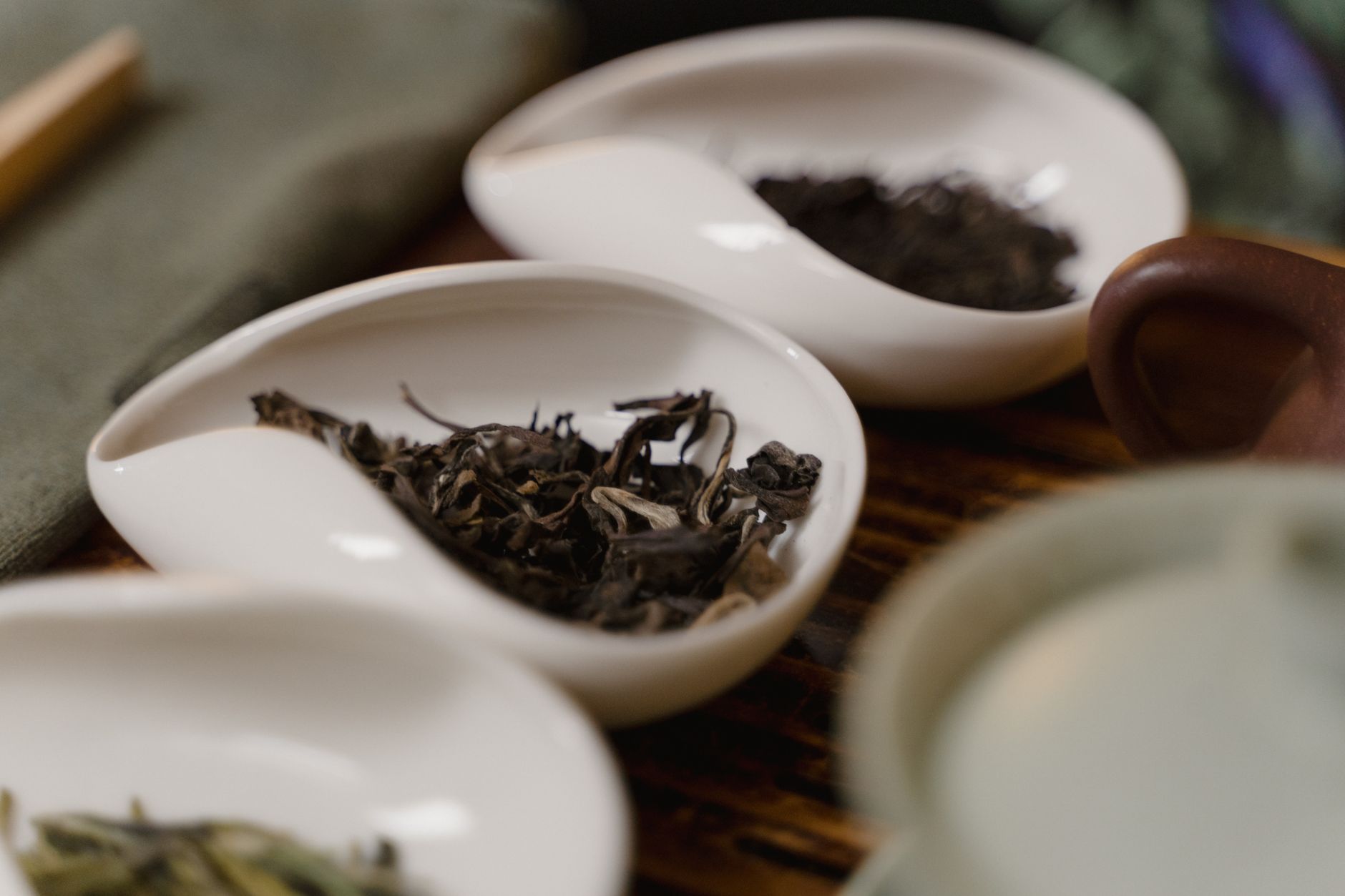
Oolong tea, a traditional Chinese beverage, occupies a unique space in the world of tea thanks to its complex flavor profile and numerous health benefits. This partially oxidized tea offers a harmonious balance between the vibrant freshness of green tea and the rich depth of black tea. For those looking to explore the multifaceted world of oolong tea, understanding its benefits can enhance not only your tea-drinking experience but also your overall well-being.
From weight management to heart health, oolong tea has been praised for its potential to support a healthier lifestyle. This article will delve into the numerous advantages of oolong tea, along with details on its nutritional content, how to prepare it properly, and ideal serving suggestions.
What Are the Benefits of Oolong Tea?
Oolong tea is celebrated for a variety of health benefits, including improved metabolism, heart health, and digestive support. It contains antioxidants that help combat oxidative stress, boosts mental alertness, and may even contribute to the promotion of healthier skin. Each of these benefits contributes to the tea’s reputation as an esteemed health drink, making it a popular choice among tea enthusiasts.
Nutritional Profile of Oolong Tea
Understanding the nutritional composition of oolong tea is key to appreciating its health benefits. While it is low in calories and contains no fat, oolong tea delivers a variety of important nutrients that help ensure its beneficial properties. Here is a brief overview of what you can expect from a typical serving (approx. 240mL) of brewed oolong tea:
- Calories: 2
- Water: 99.5% (hydrating)
- Carbohydrates: 0 g
- Sugars: 0 g
- Caffeine: 30-50 mg (dependent on steeping time)
- Antioxidants: Polyphenols, catechins, and flavonoids
Health Benefits of Oolong Tea
1. Aids in Weight Management
One of the most notable benefits of oolong tea is its potential to aid weight management. Several studies have shown that oolong tea can enhance metabolism and promote fat oxidation. The presence of caffeine and catechins in oolong may contribute to increased energy expenditure, helping in weight loss efforts.
2. Promotes Heart Health
Oolong tea may support cardiovascular health through its ability to improve blood circulation and reduce cholesterol levels. Its antioxidant properties may help prevent the oxidation of LDL cholesterol, which is linked to heart disease. Regular consumption is associated with reduced risk factors for cardiovascular issues.
3. Supports Digestive Health
Drinking oolong tea can also benefit digestion. The tea’s natural compounds may stimulate the digestive system and enhance gut health. Oolong is often consumed after meals to aid in digestion and prevent gastrointestinal discomfort.
4. Enhances Mental Alertness
The moderate caffeine content in oolong tea can promote mental clarity and alertness. Caffeine has been shown to improve mood and cognitive function, making oolong a great alternative to coffee for those sensitive to its strong effects.
5. Boosts Skin Health
Rich in antioxidants, oolong tea can contribute to healthier skin by combating free radicals that cause aging. Some studies suggest that oolong also helps alleviate skin conditions such as eczema due to its anti-inflammatory properties.
6. May Reduce Stress
The ritual of preparing and sipping oolong tea can be a calming experience. Oolong tea contains L-theanine, an amino acid that can promote relaxation and reduce stress levels. This makes it an excellent choice for a calming afternoon break.
7. May Help in Diabetes Management
Some research indicates that oolong tea may help manage blood sugar levels. The antioxidants in oolong can play a role in regulating glucose metabolism, potentially benefiting those with type 2 diabetes.
How to Prepare Oolong Tea
Preparing oolong tea properly is essential to fully appreciate its unique flavor and health benefits. Follow these steps for a perfect cup of oolong tea:
Essential Equipment
- Teapot or infuser
- Teacup or mug
- Kettle
- Thermometer (optional)
Ingredients
- 1-2 teaspoons of loose oolong tea leaves or 1 oolong tea bag
- 240 mL of water (filtered for best flavor)
Step-by-Step Method
- Boil the water in a kettle. Ideal temperature for oolong tea is between 190°F to 200°F (88°C to 93°C).
- Place the oolong tea leaves in a teapot or infuser.
- Once the water reaches the desired temperature, pour it over the tea leaves.
- Steep the tea for 3-5 minutes, depending on your taste preference. The longer it steeps, the stronger the flavor.
- Pour the tea into a cup, and enjoy it hot. Oolong tea can also be chilled for a refreshing iced version.
Serving Suggestions
Oolong tea can be enjoyed in various ways, depending on your flavor preferences. Here are some ideas:
- Drink it plain to enjoy the nuances of its flavor profile.
- Add a slice of lemon or a sprig of mint for added freshness.
- Pair it with light snacks, such as fruits or pastries, to enhance your tea experience.
- Consider using oolong tea as a base for flavored iced tea by adding fruit or herbs.
Practical Tips and Common Mistakes
While making oolong tea is relatively straightforward, some common pitfalls can detract from your experience. Here are some practical tips to keep in mind:
- Use Quality Leaves: Higher-quality loose leaf tea will provide a better flavor profile than cheap tea bags.
- Pay Attention to Temperature: Overheating the water can lead to a bitter taste. Stick to the recommended temperature range.
- Control Steeping Time: Avoid over-steeping, as this can also result in bitterness. Experiment to find your preferred steeping time.
- Reuse Leaves: Quality oolong leaves can be brewed multiple times, with flavor changing subtly with each brew.
Storage Guidelines
To maintain the freshness of your oolong tea, storing it properly is essential. Here’s how:
- Keep It Airtight: Store oolong tea in an airtight container to prevent exposure to moisture and air.
- Cool, Dark Place: Place the container in a cool and dark spot to prolong shelf life.
- Avoid Heat and Light: Keep away from direct sunlight, heat sources, and strong odors.
Conclusion
Oolong tea is more than just a delightful beverage; it’s a powerhouse of health benefits that can enhance both your physical and mental well-being. From aiding in weight management to supporting heart health, this versatile tea can be easily integrated into your daily routine. Experiment with different steeping techniques and serving suggestions to find your ideal cup of oolong, and enjoy its rich flavors while reaping its many benefits.
If you’re interested in exploring other unique beverages, consider trying out a refreshing dandelion tea or a creamy chia pudding made with coconut milk for a wholesome snack. Visit our recipes for Chia Pudding Recipe and Dandelion Tea Recipe for more flavorful options!