
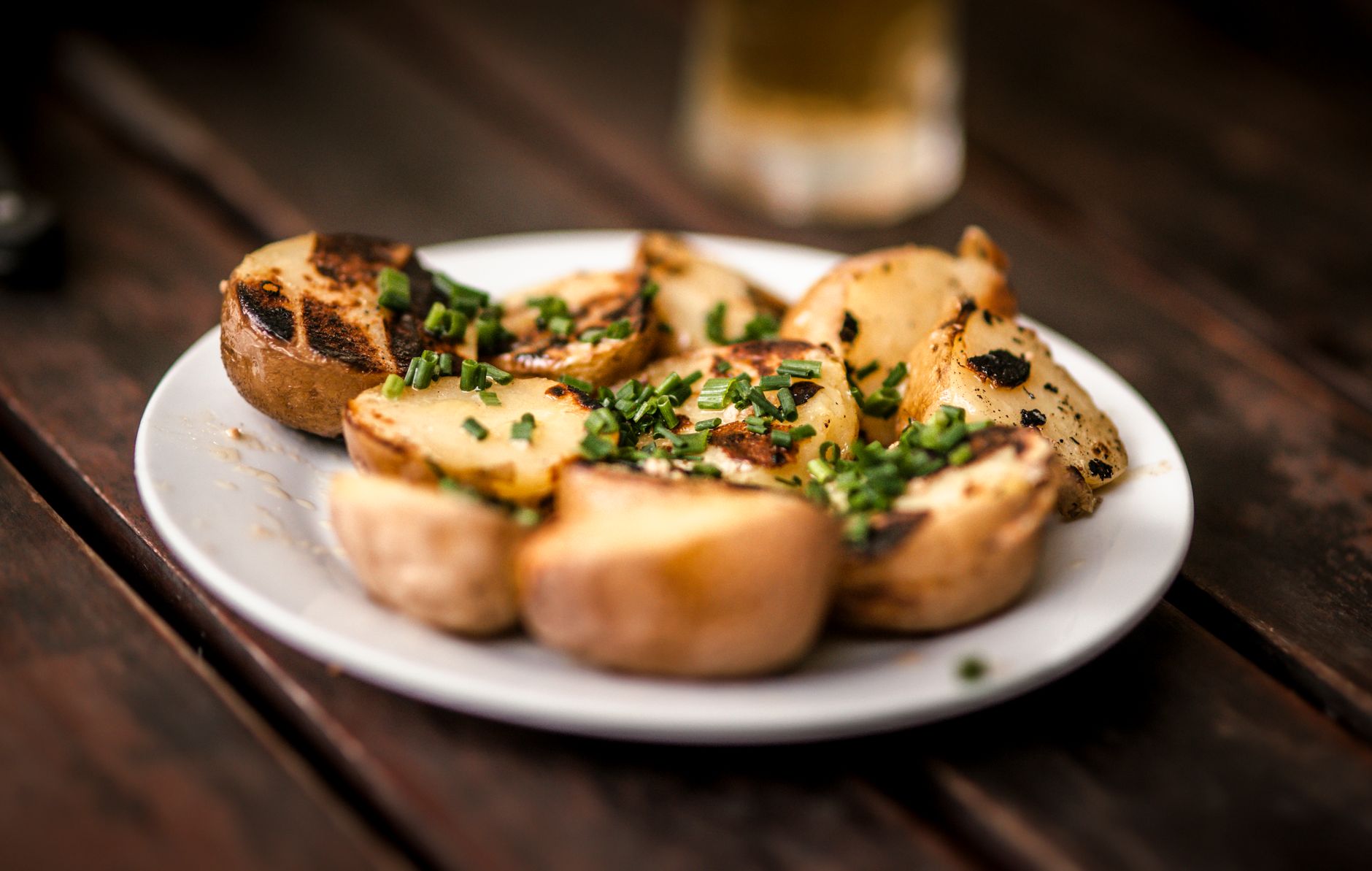
Starch foods are a vital part of our diets, providing energy and essential nutrients. They primarily consist of complex carbohydrates, which are easily digestible and can enhance various culinary creations. Understanding starch foods can help you assemble satisfying, balanced meals that fuel your body effectively.
This article delves into what starch foods are, their ingredients, taste profiles, and culinary uses. Whether you’re planning meals, exploring recipes, or trying to achieve a balanced diet, knowing more about starch-rich ingredients can be incredibly beneficial.
What Are Starch Foods?
Starch foods refer to those that are high in starch, a carbohydrate composed of long chains of glucose molecules. Common examples include grains, legumes, tubers, and some vegetables. They serve as a primary source of energy in many diets around the world.
Starch can be categorized into two types: resistant starch and digestible starch. Resistant starch resists digestion and acts more like fiber, providing health benefits like improved gut health and increased satiety. Meanwhile, digestible starch breaks down into glucose, supplying quick energy. Understanding these types can help you choose the right starch foods for your specific dietary needs.
Common Starch Foods and Their Ingredients
Here are some of the most common starch foods you’re likely to encounter, along with their key ingredients.
- Grains: Include rice, wheat, corn, oats, and barley. They are often ground into flour for baking or eaten whole.
- Legumes: Such as beans, lentils, and chickpeas, are high in protein alongside starch.
- Tubers: Potatoes, sweet potatoes, and yams are excellent sources of starch and contain various vitamins.
- Vegetables: Certain vegetables like peas, corn, and carrots have notable starch content.
- Pasta and noodles: Made primarily from wheat flour, these are staple starch foods across many cuisines.
Taste Profiles of Starch Foods
The taste of starch foods can vary dramatically. Below are some common flavor characteristics.
- Grains: Typically neutral or slightly nutty; flavor can develop significantly in cooking.
- Legumes: Earthy and savory, with a creamy texture when cooked properly.
- Tubers: Sweetness in sweet potatoes and earthiness in regular potatoes; can take on flavors in savory dishes.
- Vegetables: Generally mild; some like corn offer natural sweetness, while others can be more bitter.
- Pasta: Mild and versatile, often absorbing the flavors of sauces and ingredients it’s paired with.
Culinary Uses of Starch Foods
Starch foods are incredibly versatile and can be used in numerous culinary applications. Here’s how various stalk foods can be incorporated into your meals:
Grains
Grains can be used as a base for many dishes. They can be cooked as a side dish, used in salads, or ground into flour for baking. Common uses include:
- Rice: Serve alongside vegetables or proteins, or use in dishes like risotto and sushi.
- Quinoa: A nutritious alternative to rice or couscous, often used in salads or bowls.
- Oats: Great in breakfast dishes like oatmeal or baked into cookies.
Legumes
Legumes are rich in protein and fiber, making them excellent additions to meals. Consider these applications:
- Beans: Toss them in salads, simmer in stews, or mash for spreads.
- Lentils: Excellent in soups or salads, and can be used as a meat substitute in various dishes.
- Chickpeas: Use in salads, blend for hummus, or roast for crunchy snacks.
Tubers
Tubers like potatoes and sweet potatoes can be prepared in various ways:
- Baked or Roasted: Cut into wedges or cubes, toss with oil and seasonings, and roast until golden.
- Mashed: Boil and mash, flavor with butter, garlic, or herbs.
- Fries: Cut into strips and fry or air-fry for a crispy snack.
Vegetables
Starchy vegetables can be included in many meals:
- Soups: Add to chunky vegetable soups for added body.
- Curries: Incorporate into curries for texture and sweetness.
- Purees: Blend to create sauces or side dishes.
Pasta and Noodles
Pasta is a staple that can be enjoyed in numerous ways:
- Stir-Fry: Use in Asian dishes, tossing noodles with vegetables and sauces.
- Salads: Cold pasta salads with fresh vegetables and dressings.
- Shaped pasta: Use in baked dishes like lasagna or casseroles.
Substituting Starch Foods
Sometimes, you may wish to substitute one starch food for another in your cooking. Here are a few reliable substitutions, along with their possible effects on flavor and texture.
- Quinoa for Rice: Offers a nuttier flavor and a higher protein content.
- Sweet Potatoes for Regular Potatoes: Adds sweetness and more vitamins.
- Pasta Alternatives: Zucchini noodles or whole grain pasta can be used for a lighter option.
Common Mistakes and Troubleshooting
Here are some common mistakes people make when cooking with starch foods, along with tips to avoid them:
- Overcooking Pasta: Follow package instructions and taste periodically; pasta should be al dente.
- Underseasoning: Don’t forget to add salt when cooking grains and legumes; it enhances flavor significantly.
- Skipping Soaking: Soak dried beans and legumes to soften them for easier cooking.
Storage and Reheating of Starch Foods
Proper storage and reheating can ensure that your starch foods remain flavorful and safe to eat.
- Grains: Store in an airtight container in a cool, dry place. Cooked rice and quinoa can be refrigerated for 4-6 days.
- Legumes: Dried legumes should be stored in a dry, dark place; cooked legumes last around 3-5 days in the fridge.
- Tubers: Keep in a cool, dark place; properly stored cooked potatoes can last a few days in the refrigerator.
Meal Planning with Starch Foods
When planning meals that include starch foods, consider their versatility and how they can complement each other. Here are some tips:
- Batch Cooking: Cook large batches of grains or legumes at once to use throughout the week.
- Cuisine Overlap: Use similar ingredients in various meals (e.g., rice for stir-fries and sushi).
- Balance: Pair starch foods with proteins and vegetables for balanced meals.
Starch Foods in Regional Cuisines
Starch foods play crucial roles in many world cuisines. Here are a few examples:
- Italian Cuisine: Pasta is a cornerstone, with various shapes and sauces enhancing its flavor.
- Chinese Cuisine: Rice is often served with dishes or used in fried rice.
- South American Cuisine: Potatoes are integral, especially in dishes like causa and papas a la huancaína.
Conclusion
Understanding starch foods is essential for creating balanced, flavorful meals. Their versatility allows for many culinary applications, making them staples in various cuisines. Consider experimenting with different types to elevate your cooking and nourish your body.
For more culinary inspiration, explore our guides on purple sweet potato recipes and learn about what pasta is made of. Enjoy cooking!