
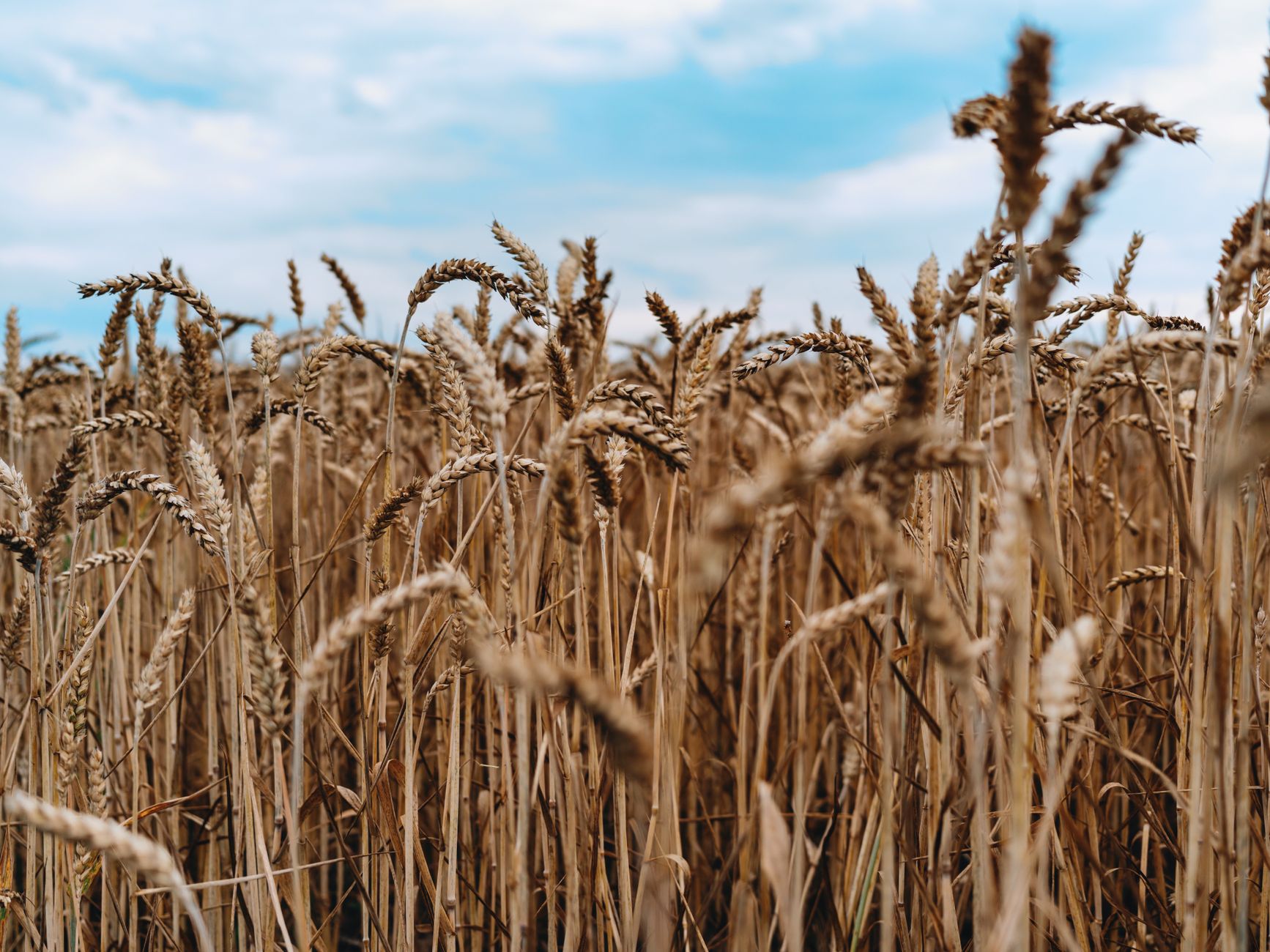
Staple crops serve as the foundation of diets around the world, providing essential nutrients and energy. These crops are typically easy to grow, store, and prepare, making them extremely valuable in varied culinary contexts. Understanding staple crops can greatly enhance meal planning and cooking experiences.
This comprehensive guide will explore what staple crops are, their ingredients, taste profiles, culinary uses, and how they fit into global cuisines. We’ll cover popular staples such as rice, wheat, maize, and others, highlighting their versatility in various dishes.
What Are Staple Crops?
Staple crops are agricultural products that are the primary sources of calories and nutrients for a population. These crops usually have high yields, are easy to cultivate, and can be stored for long periods without spoiling. Staple crops vary widely around the globe, influenced by local climate, culture, and dietary habits.
Why Staple Crops Matter
Staple crops are critical for food security, economic stability, and cultural identity. They form the backbone of many diets and are often used in countless traditional dishes. By understanding staple crops, we can appreciate their nutritional value and their role in our global food system.
Common Staple Crops Around the World
Let’s take a look at some of the most common staple crops, their characteristics, flavors, and common culinary uses.
1. Rice
Rice is one of the most widely consumed staple crops, particularly in Asia. It grows in flooded fields, which helps control weeds and pests.
- Ingredients: Mature rice grains (long-grain, short-grain, jasmine, basmati, etc.)
- Taste: Mildly nutty flavor with a chewy texture.
- Culinary Uses: Often served as a side dish, in stir-fries, sushi, and as a base for stews.
2. Wheat
Wheat is a versatile staple crop known for its use in bread, pasta, and pastries. It thrives in temperate climates and is harvested in various forms.
- Ingredients: Whole wheat grains, flour (all-purpose, whole wheat, cake), bulgur.
- Taste: Earthy and slightly sweet flavor.
- Culinary Uses: Bread, pasta, pastries, cakes, and thickening agents in sauces.
3. Maize (Corn)
Maize, commonly known as corn, is a central staple in many Americas and African cuisines. It can be processed into a variety of forms.
- Ingredients: Whole corn, cornmeal, corn flour, polenta, hominy.
- Taste: Sweet and slightly tangy flavor.
- Culinary Uses: Corn tortillas, polenta, cornbread, and snack foods like popcorn.
4. Potatoes
Potatoes are a vital crop in many parts of the world, providing a significant source of carbohydrates. They are easy to store and prepare.
- Ingredients: Whole potatoes (yellow, red, sweet potatoes).
- Taste: Mild flavor, creamy texture when cooked.
- Culinary Uses: Mashed potatoes, fries, baked potatoes, and soups.
5. Cassava
Cassava is a starchy root vegetable popular in Africa, South America, and parts of Asia. It is drought-resistant and can thrive in poorer soils.
- Ingredients: Whole cassava, tapioca flour (processed from cassava).
- Taste: Mild and slightly nutty flavor.
- Culinary Uses: Fufu, cassava chips, tapioca pudding.
Culinary Uses of Staple Crops
Staple crops play a crucial role in various global cuisines. Understanding their applications can enhance meal planning and cooking efficiency.
Rice Dishes
Rice is incredibly versatile. Here are a few common dishes:
- Fried Rice: A quick way to use leftover rice, stir-fried with vegetables and proteins.
- Risotto: A creamy Italian dish made with Arborio rice, cooked slowly in broth.
- Curry Rice: A traditional dish combining rice served with a flavorful curry.
Wheat Dishes
Wheat can be transformed into various forms:
- Bread: A staple in many cultures, can be leavened or unleavened.
- Pasta: Varieties include spaghetti, macaroni, and noodles.
- Pastries: Used for sweet and savory dishes.
Maize Dishes
Common uses for maize include:
- Cornbread: A sweet or savory baked good.
- Polenta: A comfort dish made from boiled cornmeal.
- Tortillas: A staple in Mexican cuisine, used for tacos and enchiladas.
Potato Dishes
Potatoes are used in a variety of forms:
- Mashed Potatoes: Creamy and buttery, often served with gravies.
- Roasted Potatoes: Crispy on the outside and fluffy on the inside.
- Potato Salad: A cold side dish commonly served in picnics.
Cassava Dishes
Cassava is often used in various preparations:
- Fufu: A starchy dish made by boiling and pounding cassava.
- Tapioca Pudding: A sweet dessert using tapioca pearls.
- Cassava Chips: A crunchy snack similar to potato chips.
Nutrition and Health Benefits of Staple Crops
Staple crops provide essential nutrients, including carbohydrates, vitamins, and minerals. While they serve as a primary source of energy, it’s essential to balance these foods with proteins and vegetables for a well-rounded diet.
- Rice: Excellent source of carbohydrates; brown rice also provides fiber.
- Wheat: Whole grain varieties are high in fiber and minerals.
- Maize: Offers vitamins A and C, and is rich in antioxidants when processed minimally.
- Potatoes: Source of vitamin C, potassium, and fiber when consumed with skin.
- Cassava: Provides carbohydrates and is gluten-free, but needs to be prepared properly to avoid toxins.
Common Mistakes and Troubleshooting
When preparing dishes with staple crops, it’s common to encounter some mistakes. Here are solutions to frequently asked questions:
Cooking Rice
Problem: Rice is too sticky or mushy.
Solution: Ensure the correct water-to-rice ratio. Usually, a 2:1 ratio (water to rice) works, but it can vary based on rice type.
Making Bread
Problem: Bread doesn’t rise.
Solution: Check the freshness of your yeast and ensure the dough is in a warm place while rising.
Boiling Potatoes
Problem: Potatoes are undercooked.
Solution: Cut them into even sizes to ensure uniform cooking and test with a fork for doneness.
Storing and Preparing Staple Crops
Proper storage of staple crops can extend their shelf life and maintain quality. Here are some best practices:
- Rice: Store in an airtight container in a cool, dry place. Brown rice has a shorter shelf life due to its oils.
- Wheat: Whole wheat flour can go rancid faster; use within a few months or store in the freezer.
- Maize: Dried maize should be kept in a cool, dry container to prevent mold.
- Potatoes: Keep them in a dark, cool area to avoid sprouting.
- Cassava: Store in a cool place; use fresh cassava quickly to avoid spoilage.
Culinary Variations and Substitutions
Staple crops can often be substituted based on local availability, seasonality, and dietary preferences. Here are some suggested substitutions:
- Rice: Quinoa or barley can replace rice in many dishes for added nutrition.
- Wheat: For gluten-free options, try almond flour, oat flour, or coconut flour.
- Maize: Quinoa flour can be a good alternative for tortillas.
- Potatoes: Cauliflower can be used as a lower-carb substitute in mashed forms.
- Cassava: Sweet potatoes are a similar starch option but provide different flavors.
Regional Staple Crops and Culinary Traditions
Different regions of the world depend on specific staple crops, shaping their cuisines. Here are some examples:
Asia
Rice is the staple food, profoundly influencing cultural traditions and celebrations. Dishes vary from country to country, incorporating local ingredients.
Africa
Maize and cassava are crucial in various African cuisines, often served as stiff porridge or fufu. Their versatility allows them to accompany many dishes.
Europe
Wheat-based products form the core of many European diets, from bread in France to pasta in Italy, showcasing regional variations and preferences.
Americas
Both maize and potatoes are significant in the Americas. Dishes like arepas, tamales, and potato salad reflect the regional diversity.
Conclusion
Understanding staple crops can enhance your culinary repertoire by allowing you to recognize their roles in various dishes and cuisines. From nutritious rice and versatile wheat to hearty potatoes and maize, these crops form the backbone of many diets worldwide.
Explore the world of cooking further with diverse recipes and food guides, like making incredible einkorn bread or learning how to prepare white sweet potatoes. Discover how staple crops can elevate your meals in innovative ways!