
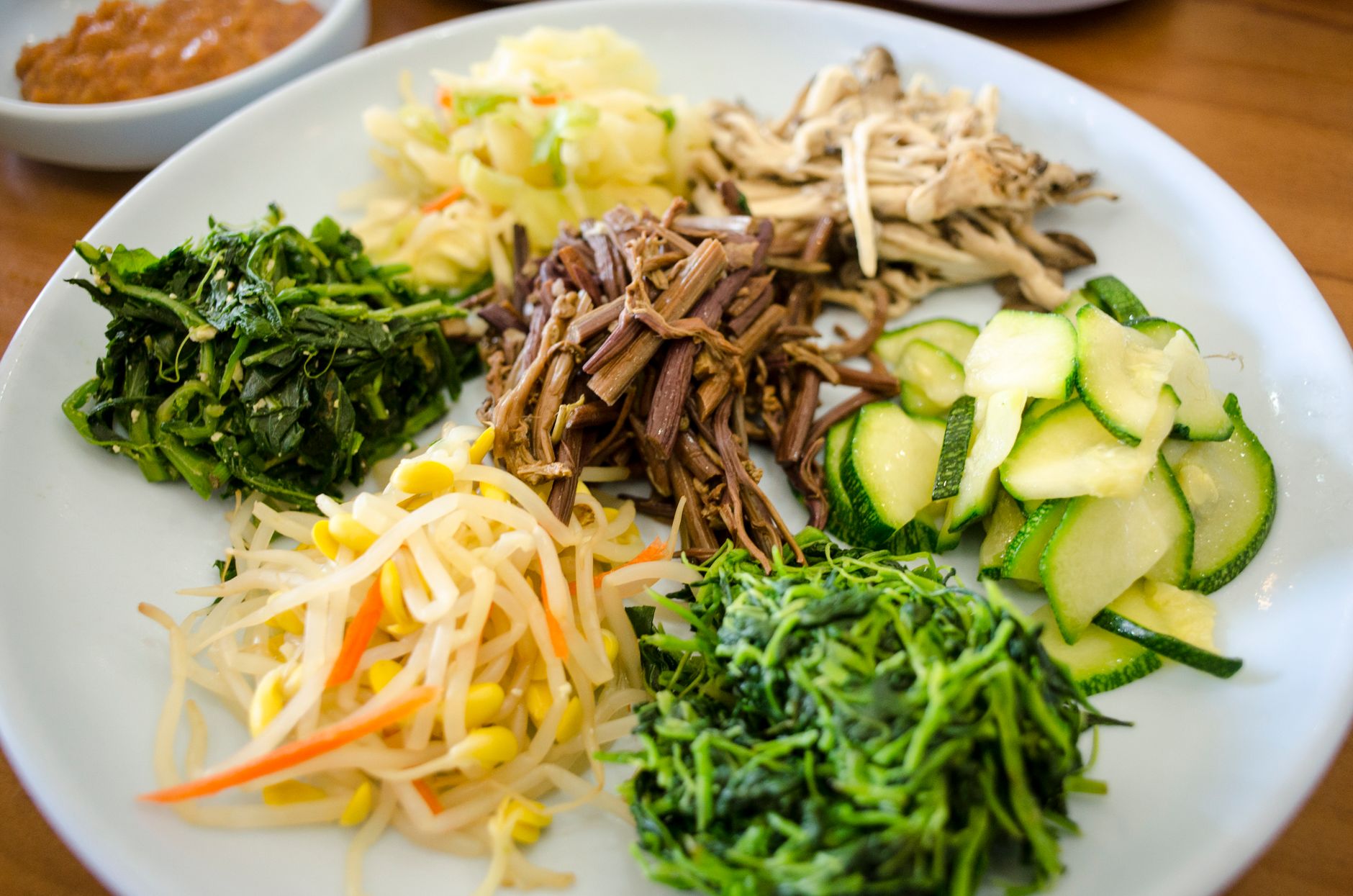
Side dishes are an essential part of any meal, acting as complementary elements to the main course. They enhance the overall dining experience by adding various flavors, textures, and visual appeal. Understanding how to choose, prepare, and pair side dishes can elevate a simple meal into an extraordinary dining occasion.
This guide will explore the world of side dishes, discussing their purpose, types, pairing ideas, and how to prepare them effectively. Whether you’re planning a casual dinner or a celebratory feast, knowing how to create delicious side dishes can make all the difference.
What Are Side Dishes?
Side dishes are food items served alongside the main course. They can range from vegetables and grains to salads and breads. Their primary purpose is to complement the main protein, adding flavor and variety to the plate. Common examples include mashed potatoes served with roast beef, sautéed green beans alongside grilled chicken, or a fresh garden salad accompanying pasta.
The Importance of Side Dishes
Side dishes play several crucial roles in a meal. They provide balance, nutritional value, and contrast in taste and texture. Here are a few key reasons to incorporate well-thought-out side dishes into your meals:
- Enhance Flavor: Side dishes often bring flavor contrasts, such as acidity from a citrus salad or richness from creamy potatoes, which can enhance the overall taste of a meal.
- Add Texture: Different textures can make a meal more interesting. For instance, crunchy roasted Brussels sprouts can provide a satisfying contrast to a tender grilled steak.
- Color and Presentation: Colorful side dishes can make a plate visually appealing. Brightly colored vegetables and grains can help create a feast for the eyes as well as the palate.
- Nutritional Balance: Including a variety of side dishes can promote balanced nutrition, as they often provide vitamins, minerals, and fiber that may be lacking in the main course alone.
Types of Side Dishes
Understanding the different types of side dishes available can help you make informed choices when planning a meal. Here are several categories of side dishes to consider:
Vegetable Sides
Vegetable side dishes can be cooked or raw and provide essential nutrients. These include:
- Roasted Vegetables: Carrots, sweet potatoes, and bell peppers roasted with spices.
- Steamed Greens: Broccoli, spinach, and asparagus lightly steamed to retain nutrients.
- Salads: Crisp greens combined with other vegetables, fruits, nuts, and dressings.
Grain-Based Sides
Grains can serve as hearty side dishes that add substance and texture. Examples include:
- Rice: Varieties such as jasmine, basmati, or wild rice can provide an aromatic base.
- Quinoa: Nutty and protein-rich, it can be served plain or flavored with herbs and spices.
- Pasta: From straightforward buttered noodles to vibrant pesto pasta salads, pasta can be an excellent side dish.
Starches
Starchy side dishes are often hearty and comforting. They include:
- Potatoes: Mashed, roasted, or baked, potatoes are a versatile favorite.
- Breads: Rolls, cornbread, or garlic bread add a delightful companion to many meals.
- Pasta Dishes: While pasta can serve as a main course, it can also complement a dish as a side.
Beans and Legumes
Beans and legumes can add protein, fiber, and heartiness to a meal. Options include:
- Chickpeas: Tossed in salads or made into hummus.
- Lentils: Prepared in soups or with spices for a flavorful side.
- Black Beans: Seasoned and served as a side to complement spiced meats.
Creative Side Dishes
Sometimes, side dishes can be unexpected or inventive. These include:
- Dips: Options like tzatziki, guacamole, or salsa that can accompany chips or bread.
- Charcuterie Boards: An array of cheeses, meats, nuts, and fruits that serve as a social side.
- Stuffed Peppers: Peppers filled with grains, cheese, or meats that can be enjoyed as a side or a light meal.
Pairing Side Dishes with Main Courses
Successfully pairing side dishes with main courses can enhance the overall meal. Here are some general guidelines for selecting sides that complement your main dish:
Flavor Contrast
Choosing side dishes with contrasting flavors can elevate the meal. For instance, if the main course is rich or heavy, consider lighter side options such as:
- A fresh garden salad with vinaigrette
- Steamed vegetables with a hint of lemon
Texture Variety
Certain textures can also provide an interesting balance. If the main course is tender and soft, consider adding:
- Crispy roasted potatoes or sprouts
- A crunchy slaw or salad
Cultural Pairings
When preparing international dishes, think about traditional side dishes that accompany them. For example:
- Tacos can be served with black beans or Mexican rice
- Indian butter chicken pairs perfectly with naan or basmati rice
Preparation Tips for Side Dishes
Creating delicious side dishes can be streamlined with effective preparation. Here are some practical tips:
Timing and Coordination
To ensure all components of the meal are served hot and fresh:
- Plan your cooking schedule. Start with longer-cooking items like casseroles or roasted vegetables.
- Prepare salads in advance but dress them just before serving to keep them crisp.
- Utilize multitasking. While a main course is cooking, get started on side dishes simultaneously.
Balancing Flavors and Textures
Ensure that your side dishes provide the desired balance in flavors and textures. Consider the following approaches:
- Add a splash of acidity to rich dishes with lemon juice or vinegar.
- Incorporate herbs, nuts, or seeds for added texture and nutritional benefits.
Make-Ahead Strategies
Some side dishes can be prepared ahead of time for convenience. For example:
- Chill pasta salads and grain bowls several hours beforehand.
- Roast vegetables and reheat them just before serving.
Common Mistakes When Preparing Side Dishes
Being aware of common pitfalls when making side dishes can improve your cooking. Here are some mistakes to avoid:
Overseasoning or Underseasoning
Finding the right balance of seasoning is crucial. Taste your dishes as you cook and adjust salt, pepper, and spices accordingly.
Neglecting Texture
Avoid making all your side dishes soft or mushy. Incorporate at least one element that has a crunch to provide contrast.
Ignoring Presentation
The visual appeal of your side dishes can enhance the dining experience. Take a moment to arrange the foods attractively on the plate.
Storage and Reheating of Side Dishes
If you have leftovers or make sides in advance, proper storage and reheating are necessary to maintain quality. Consider these tips:
Storage
Store side dishes in airtight containers in the refrigerator. For optimal freshness:
- Consume within three to four days.
- For grain-based or bean dishes, use subcontainers to keep ingredients separate to maintain texture.
Reheating
When reheating side dishes:
- Use the oven or stovetop whenever possible for even temperature distribution.
- For items like potatoes, add a splash of water or broth to prevent drying out.
Conclusion
Side dishes are a vital aspect of crafting a well-rounded meal. They enhance flavor, add aesthetic appeal, and can help achieve a balanced and satisfying dining experience. By understanding the different types of side dishes, how to pair them effectively, and the preparation tips to streamline cooking, you can elevate every meal to new heights. Next time you plan your menu, don’t overlook the potential of delicious side dishes!
If you’re looking to expand your side dish repertoire, consider trying our Cornbread Pudding Recipe or explore the flavors in our Sweet Potato Cornbread Recipe. These recipes can be fantastic additions to your next meal!