
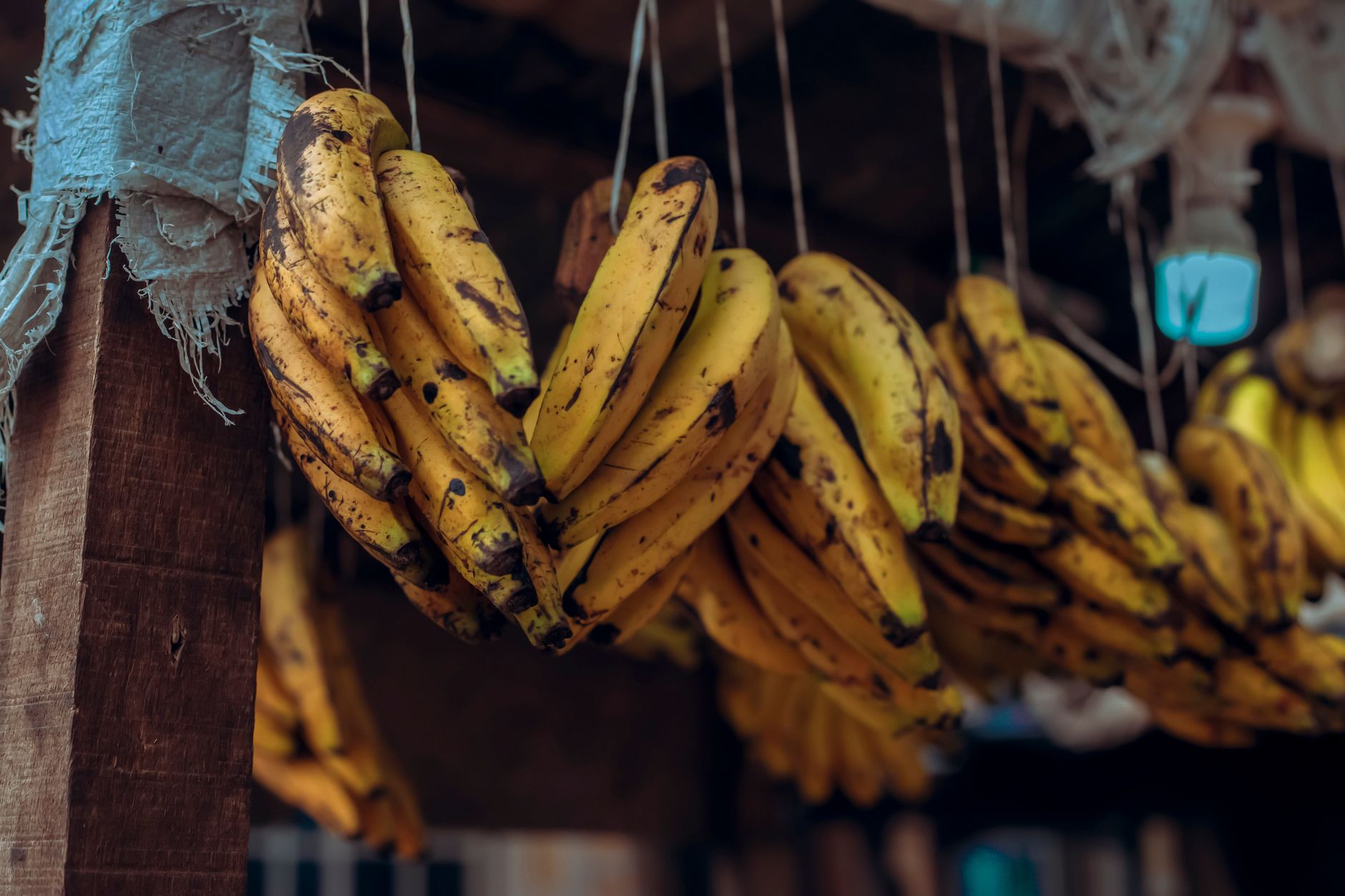
Bananas are a popular fruit known for their convenience and natural sweetness. Many people reach for this nutritious snack regularly, but there’s been some debate regarding their effects on digestion. Do bananas promote constipation, or do they encourage bowel movements?
Understanding the fiber content and digestive properties of bananas can enlighten your decision-making regarding this fruit. This article delves into the relationship between bananas and digestive health, helping you uncover whether they make you constipated or help you poop.
Do Bananas Make You Constipated or Poop?
Bananas can have varying effects on digestion depending on their ripeness. Ripe bananas are generally helpful during digestion and can promote bowel movements, while unripe, green bananas are higher in starch and may contribute to constipation for some individuals. Understanding these nuances is critical for making informed dietary choices.
The Nutritional Profile of Bananas
To understand the impact of bananas on digestion, it’s essential to examine their nutritional composition. A medium-sized ripe banana typically contains:
- Calories: 105
- Carbohydrates: 27 grams
- Fiber: 3 grams
- Sugar: 14 grams
- Fat: 0.3 grams
- Protein: 1.3 grams
Bananas are a rich source of carbohydrates and provide several vitamins and minerals, including vitamins C and B6, potassium, and magnesium. However, their fiber content plays a crucial role in digestive health.
Types of Fiber in Bananas
Bananas contain two primary types of dietary fiber: soluble fiber, primarily in the form of pectin, and insoluble fiber. Each type of fiber contributes differently to digestion:
Soluble Fiber
Soluble fiber dissolves in water and forms a gel-like substance in the intestines. This type of fiber helps slow digestion, which can stabilize blood sugar levels and contribute to feelings of fullness. Pectin is abundant in ripe bananas and can promote bowel regularity by softening stool.
Insoluble Fiber
Insoluble fiber adds bulk to stool and decreases transit time through the intestines. This fiber type can facilitate regular bowel movements and prevent constipation. However, unripe bananas contain more resistant starch, which acts similarly to insoluble fiber, potentially causing digestive discomfort for some.
The Role of Ripeness
The ripeness of bananas significantly impacts their fiber composition and effects on digestion:
Ripe Bananas
Ripe bananas are softer and sweeter, possessing a higher concentration of soluble fiber. The pectin found in ripe bananas can help regulate bowel movements, making them beneficial for those in need of digestive support. They can aid in softening the stool, making it easier to pass.
Unripe (Green) Bananas
Unripe bananas are starchy and low in sugar, containing more resistant starch. While resistant starch can be beneficial for digestive health in small amounts, excessive consumption may lead to bloating and constipation for some people. If you struggle with digestive issues and consume unripe bananas, monitor your intake.
How Bananas Affect Digestion
Bananas can affect digestion in various ways, depending on individual tolerance levels and existing health conditions. Let’s discuss the potential benefits and drawbacks:
Benefits of Bananas for Digestion
- Promotes Regularity: The soluble fiber in ripe bananas can help regulate bowel movements, while insoluble fiber adds bulk to stool.
- Nutrient-Rich: Bananas are nutrient-dense, providing necessary vitamins and minerals that support overall health and well-being.
- Gentle on the Stomach: Bananas are easy to digest compared to other fruits, making them suitable for individuals recovering from digestive issues.
Drawbacks of Bananas for Digestion
- Potential Constipation: Unripe bananas can contribute to constipation due to their high resistant starch content. Individuals experiencing digestive issues should monitor their intake.
- Allergies: Some individuals may have an intolerance or allergy to bananas, leading to digestive discomfort or adverse reactions.
Bananas and Gut Health
Gut health is essential for overall well-being, and the fiber in bananas plays a role in maintaining a healthy digestive system. The prebiotic properties of soluble fiber can help promote the growth of beneficial gut bacteria:
Prebiotic Effects
Prebiotics are substances that feed beneficial gut bacteria, contributing to better digestive health. The soluble fiber in bananas serves as a prebiotic, nourishing these bacteria and helping maintain a balanced gut microbiome. A healthy gut microbiome is crucial for proper digestion, nutrient absorption, and overall immunity.
How to Incorporate Bananas into Your Diet
If you’re looking to harness the benefits of bananas while minimizing their potential downsides, consider the following tips:
Choose Ripe Bananas
For digestive benefits, opt for ripe, yellow bananas over green ones. Ripe bananas are softer and easier to digest.
Balance Your Diet
Incorporate a variety of fruits and vegetables into your diet to ensure you receive diverse nutrients and fiber types. This can support balanced digestion and overall health.
Pair with Other Foods
Combining bananas with other high-fiber foods, such as oats or yogurt, can enhance their benefits and help mitigate any potential digestive discomfort from resistant starch.
Experiment with Preparation Methods
Bananas can be eaten raw, blended into smoothies, or cooked into dishes like oatmeal or pancakes. Try different preparation methods to find out what works best for you.
Common Myths About Bananas and Digestion
Several myths surround bananas and their effects on digestion. Here we dispel some common misconceptions:
Myth 1: Bananas Are Always Constipating
While unripe bananas may contribute to constipation for some, ripe bananas are beneficial for digestion and can help with regularity. It’s essential to consider ripeness when evaluating their effects.
Myth 2: All Fruits Are Better Than Bananas
Fruits have different nutrient profiles. While bananas may not be high in antioxidants like berries, they provide other unique benefits, such as potassium and energy-boosting carbohydrates. Each fruit has its own advantages, so variety is key.
Myth 3: Bananas Should Be Avoided in Weight Loss
Despite their natural sugars, bananas can fit into a balanced diet, even during weight loss, when consumed in moderation. They provide energy, help curb cravings, and are filling due to their fiber content.
Practical Tips for Enjoying Bananas
To enjoy the benefits of bananas without experiencing digestive issues, keep these tips in mind:
- Monitor your portion sizes. If you experience constipation or bloating after consuming bananas, reduce your intake.
- Opt for ripe bananas for improved digestibility and fiber content.
- Pair bananas with other high-fiber foods to balance your intake and ease digestion.
- Experiment with cooking methods, like baking or blending, to incorporate bananas in forms that suit your palate.
Conclusion
Bananas can be both beneficial and problematic for digestion, depending on their ripeness and individual tolerance. Ripe bananas promote bowel regularity through their soluble fiber content, making them a helpful addition for improved digestive health. On the other hand, unripe bananas may contribute to constipation due to their high resistant starch content. Understanding these factors can help you enjoy this nutritious fruit while optimizing your digestive health.
Explore related recipes, cooking tips, and food guides, such as our article on how much fiber is in a banana and learn more about what a banana is.