
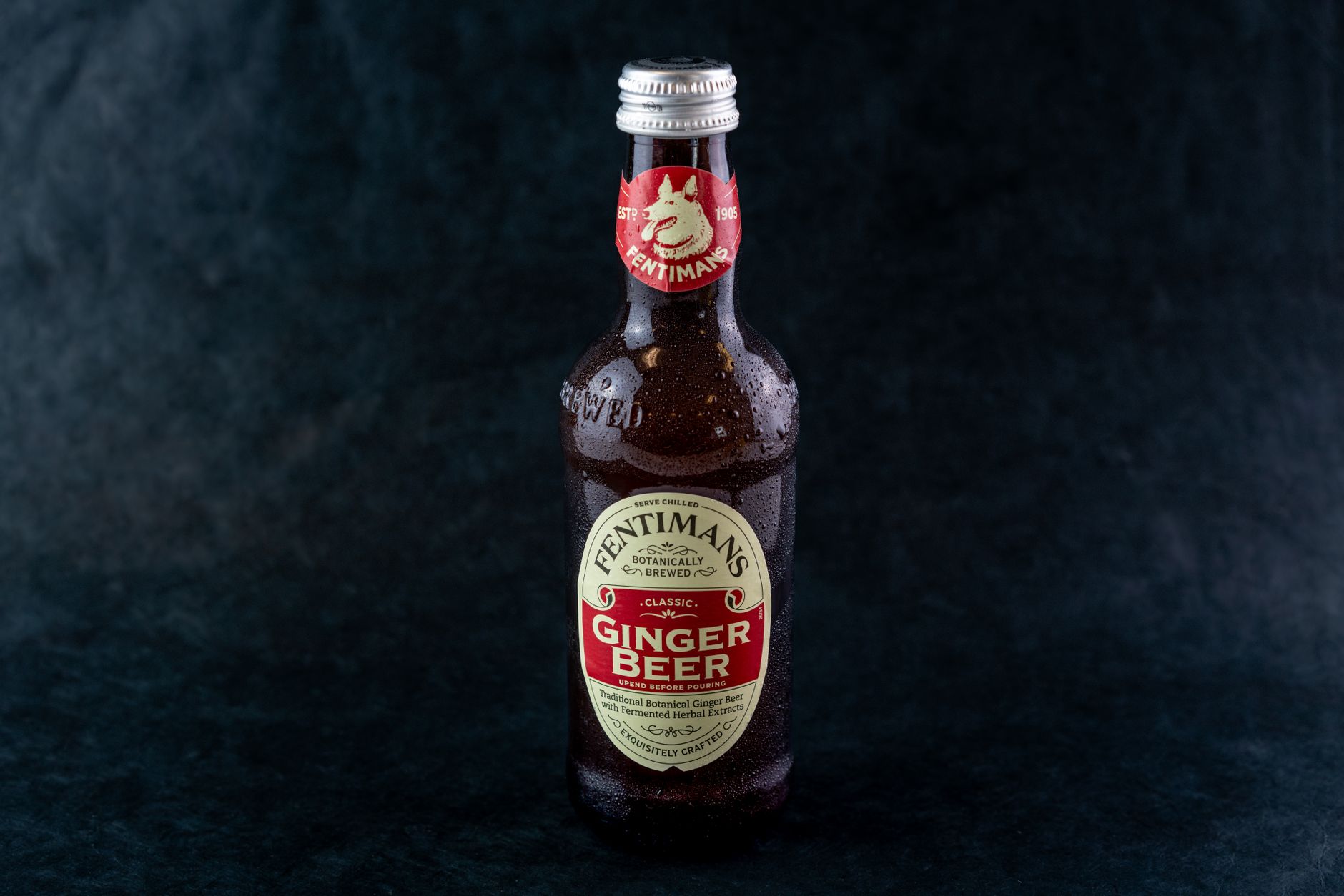
Many people turn to ginger ale as a remedy for nausea, often in moments of discomfort or during bouts of motion sickness. This carbonated beverage combines the soothing properties of ginger with the refreshing effervescence of soda, making it a popular go-to for alleviating queasiness. But how does ginger ale help with nausea, and what should you consider when incorporating it into your diet?
This article explores the science behind ginger’s effectiveness in combating nausea, how ginger ale fits into that picture, and the dietary considerations you should keep in mind. From the preparation of the beverage to its potential pitfalls, we’ll cover all aspects to deliver an informed perspective.
How Does Ginger Ale Help Nausea?
Ginger ale helps nausea primarily through its ginger content, which is known for its anti-nausea properties. The gingerols and shogaols compounds found in ginger can help reduce feelings of nausea and vomiting, making ginger ale a soothing choice when you’re feeling unwell. The carbonation in ginger ale may also aid digestion, providing additional relief.
The Role of Ginger in Alleviating Nausea
Ginger has a long history of being used as a natural remedy for various ailments, particularly nausea. This medicinal root contains several active compounds that are responsible for its beneficial effects:
- Gingerols: These are the primary bioactive compounds in fresh ginger, contributing to its anti-inflammatory and anti-nausea effects.
- Shogaols: These compounds form when ginger is dried or cooked and have been shown to have a more potent anti-nausea effect than gingerols.
- Essential Oils: The essential oils in ginger can help relax the gastrointestinal tract, which may reduce nausea and the urge to vomit.
Medical studies have supported the efficacy of ginger in treating nausea related to various causes, including pregnancy, chemotherapy, and motion sickness. It’s important to recognize that while ginger ale may provide some relief, the amount of ginger present in most commercial ginger ales may be lower than what is effective for significant nausea relief.
The Composition of Ginger Ale
Ginger ale is primarily composed of carbonated water, sugar (or sweeteners), and ginger extract. Depending on the brand, some ginger ales may contain additional flavorings, preservatives, and citric acid. Let’s break down the components:
- Carbonated Water: The bubbles in ginger ale can help ease an upset stomach by promoting burping and reducing pressure in the abdomen.
- Sugar: The sweetness can provide energy and comfort, although it can also lead to other digestive issues if consumed in excess.
- Ginger Extract: The quality and concentration of ginger in ginger ale can vary widely. Look for products labeled as “made with real ginger” for better effects.
Dietary Considerations When Consuming Ginger Ale
While ginger ale can be soothing, it’s important to consider various dietary factors that may influence its effectiveness and suitability for you:
1. Sugar Content
Many commercial ginger ales are high in sugar, contributing to empty calories and potential spikes in blood sugar levels. For those managing diabetes or looking to reduce sugar intake, it’s advisable to opt for diet or low-sugar versions. Additionally, excessive sugar can lead to digestive discomfort, which can counteract the benefits of ginger ale.
2. Artificial Ingredients
Some ginger ales contain artificial flavorings, colors, and preservatives. These additives may not be suitable for everyone, especially individuals sensitive to them. To avoid these concerns, consider choosing natural or organic ginger ale brands, or make your own ginger ale at home for more control over ingredients.
3. Gluten-Free Considerations
Traditionally, ginger ale is gluten-free, but it’s always wise to check labels, especially if you’re sensitive to gluten or have celiac disease. Some brands may use ingredients that contain gluten, so verifying is essential.
4. Caffeine
Most ginger ales are caffeine-free, making them a good choice for those avoiding caffeine. However, keep in mind that some other ginger-flavored beverages may contain caffeine. Always read labels if you’re concerned about caffeine intake.
Making Your Own Ginger Ale
If you prefer more control over your ingredients and want a more potent ginger flavor, making homemade ginger ale is an excellent option. Here’s a quick overview of how to make it:
Ingredients:
- 1 cup fresh ginger, peeled and grated
- 1 cup sugar (or sweetener of choice)
- 4 cups water
- 2 tablespoons lemon juice (optional)
- Carbonated water or soda water
Instructions:
- In a saucepan, combine the grated ginger, sugar, and 4 cups of water.
- Bring to a boil, then reduce the heat and let it simmer for about 30 minutes.
- Remove from heat and allow the mixture to cool. Once cooled, strain out the ginger solids using a fine mesh sieve.
- Add lemon juice, if desired, for a tangy twist.
- Combine the ginger syrup with carbonated water to taste, and serve over ice.
This homemade version gives you a fresher taste and a more significant ginger kick, enhancing its potential to help with nausea.
When to Use Ginger Ale and Other Remedies
Drawing upon ginger ale for nausea relief can be effective, but it’s helpful to recognize when it’s appropriate and when other remedies may work better:
- Morning Sickness: Many pregnant women find ginger ale helps alleviate morning sickness; however, it’s best to consult a healthcare provider for personalized advice.
- Motion Sickness: Ginger ale can be an excellent choice before traveling. Consider drinking it 30 minutes before a trip for maximum effect.
- Post-Surgery or Illness: After surgeries or bouts of illness, ginger ale may help replenish fluids and soothe nausea. Start with small sips, especially if your stomach is upset.
- Other Remedies: Consider pairing ginger ale with herbal teas like peppermint or chamomile for added soothing effects.
Common Mistakes When Using Ginger Ale for Nausea
While ginger ale can be soothing, it’s not a universal remedy, and certain mistakes may lessen its effectiveness:
- Choosing Low-Ginger Brands: Not all ginger ales are created equal. Select brands that specify they contain real ginger for better effects.
- Overconsumption: Drinking too much ginger ale can lead to bloating and discomfort, countering the benefits. Stick to moderate amounts.
- Ignoring Other Underlying Issues: While ginger ale may alleviate nausea, it’s essential to address any underlying medical conditions that may be causing the symptoms. Consult a healthcare professional if nausea persists.
Additional Natural Remedies for Nausea
If ginger ale isn’t doing the trick, there are other natural remedies for nausea that can be explored:
- Ginger Tea: Brew fresh ginger tea by steeping sliced ginger in hot water for 10-15 minutes. This can provide concentrated ginger benefits.
- Peppermint: Peppermint tea or even sucking on peppermint candies may help relax the digestive tract and reduce nausea.
- Chamomile Tea: This gentle herbal tea can help soothe an upset stomach and calm the mind.
- Lemon: The fresh scent of lemon and lemon-infused beverages can help alleviate nausea, especially during pregnancy.
Conclusion
Ginger ale can be a soothing option for managing nausea, thanks in part to the ginger it contains. However, taking note of dietary considerations like sugar content and ingredients is essential to ensure it serves you well. Consider trying homemade ginger ale for maximum benefits or pairing it with other natural remedies. Should nausea persist, discussing symptoms with a healthcare professional is advisable for targeted solutions.
Explore related recipes, cooking tips, or food guides, such as learning more about ginger or trying out a ginger syrup recipe to enhance your cooking with this powerful ingredient.