
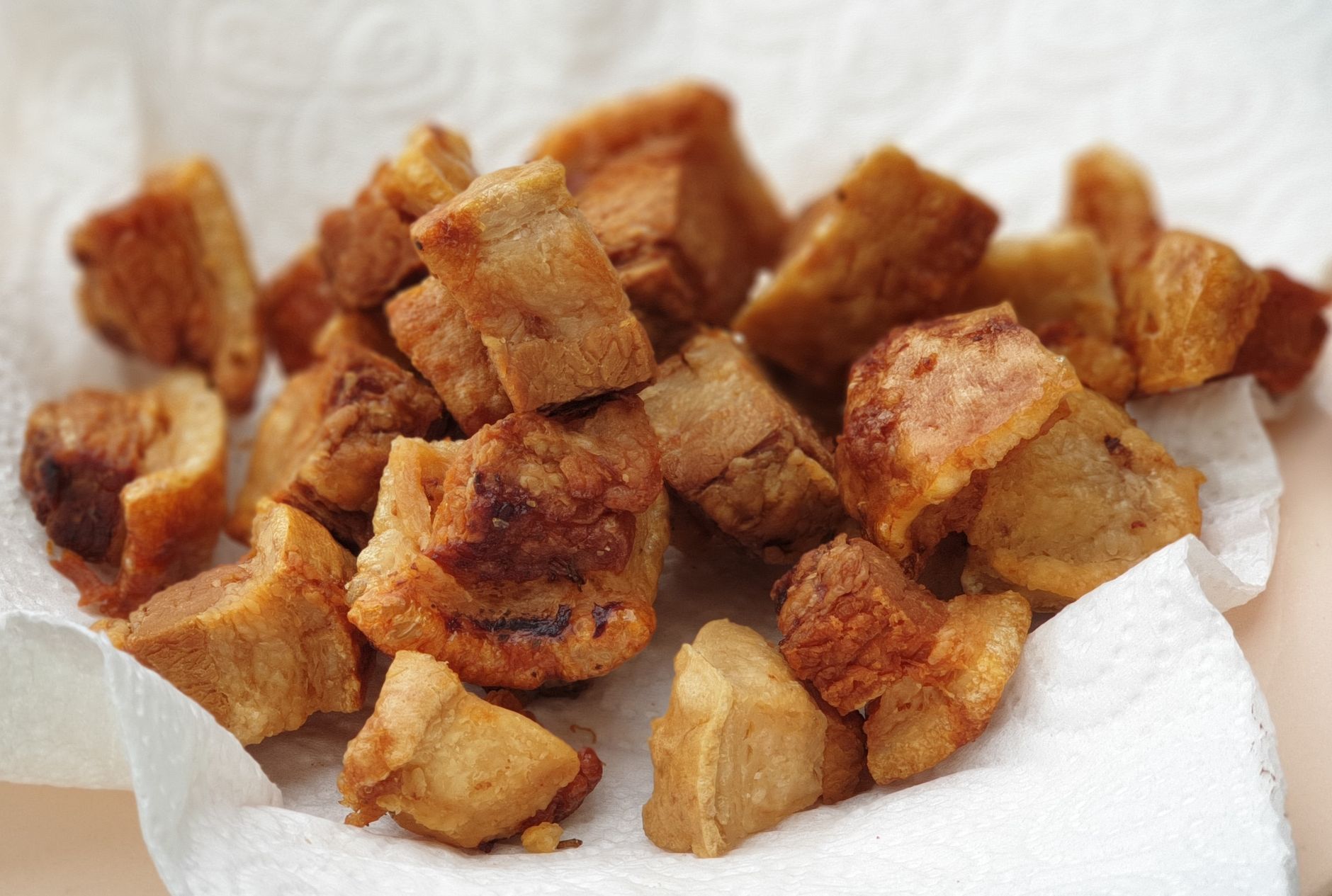
Rashers are a quintessential part of Irish cuisine, particularly enjoyed during breakfast. These flavorful strips of cured and smoked bacon, often derived from pork belly or back, are loved for their unique taste and texture. Understanding what rashers are—along with their culinary uses—can enhance your appreciation of Irish food culture.
In this article, we will explore the taste and texture of rashers, their role in traditional Irish meals, and practical kitchen uses. Whether you’re cooking traditional Irish dishes or experimenting with new recipes, knowledge of rashers will elevate your culinary experience.
What Are Rashers in Ireland?
Rashers refer specifically to thin slices of bacon that are typically salted and smoked. In Ireland, they are most commonly made from the back of the pig, resulting in a leaner and slightly less fatty product compared to American-style bacon. The curing process imbues the rashers with a distinctive flavor, imparting a savory, smoky essence that many people find irresistible.
Rashers are versatile and can be enjoyed in a variety of dishes beyond breakfast, making them a staple ingredient in many households. They embody the rich culinary traditions of Ireland and offer a unique taste that can enhance a wide array of meals.
Taste and Texture of Rashers
The primary appeal of rashers lies in their unique flavor profile. The combination of smokiness from the curing process and the natural meatiness provides a rich, savory taste. When cooked properly, rashers develop a crispy exterior while remaining tender inside, offering an enjoyable contrast in texture.
Different brands and types of rashers may vary in flavor intensity—from sweet and mild to robust and smoky—depending on the curing and smoking methods used. Fresh rashers often have a slightly different flavor than pre-packaged varieties, which are usually more cured and preserved.
Culinary Uses of Rashers in Irish Cuisine
Rashers can be incorporated into numerous dishes, making them an essential ingredient in both traditional and contemporary Irish cooking. Here are some common uses:
- Breakfast: Rashers are a key component of the famous Irish breakfast, often served alongside eggs, sausages, black pudding, white pudding, baked beans, and toasted bread.
- Sandwiches: Crispy rashers are perfect for breakfast sandwiches, complemented by egg, cheese, or even avocado.
- Salads: Chopped rashers can add a savory crunch to salads, enhancing the dish with their distinct flavor.
- Wraps and Rolls: Rashers can be included in wraps, combining them with fresh vegetables and sauces for a quick lunch or dinner.
- Soups and Stews: Adding rashers to soups and stews can impart depth and richness to the overall flavor of the dish.
- Pizza and Pasta: Chopped rashers make for an interesting topping on pizzas or can be included in pasta dishes, providing a unique twist to traditional recipes.
Choosing the Right Rashers
When selecting rashers, consider the following tips:
- Quality: Look for rashers that have a good balance of meat and fat. High-quality rashers will have a rich color and a clean, fresh aroma.
- Ingredients: Check the ingredients list for any artificial additives or preservatives. Traditionally cured rashers made with natural ingredients tend to yield better flavor.
- Thickness: Rashers are typically available in various thicknesses. Choose thinner rashers for quicker cooking and crispier results, while thicker cuts are ideal for keeping more moisture and flavor.
Cooking Techniques for Rashers
Cooking rashers correctly enhances their flavor and texture, offering a delightful taste experience. Here are the most common cooking methods for rashers:
Frying Rashers
- Heat a skillet over medium heat. Do not add oil, as rashers will release their own fat during cooking.
- Once the skillet is hot, place the rashers in the pan. Ensure not to overcrowd the pan to allow even cooking.
- Cook for 3-5 minutes on each side, or until the rashers are golden brown and crispy.
- Remove from the skillet and place on a paper towel to absorb excess fat before serving.
Grilling Rashers
- Preheat the grill on medium heat.
- Place the rashers on the grill grate. You can use skewers or a grill basket for easier handling.
- Cook for 5-7 minutes, flipping halfway through until they are crispy and cooked through.
- Remove from the grill and allow to rest for a minute before serving.
Baking Rashers
- Preheat the oven to 400°F (200°C).
- Line a baking sheet with aluminum foil or parchment paper for easy cleanup.
- Arrange the rashers in a single layer on the prepared baking sheet.
- Bake for 15-20 minutes or until crispy, flipping halfway through for even cooking.
Common Mistakes When Cooking Rashers
- Overcrowding the Pan: Overlapping rashers can lead to uneven cooking. Ensure they have enough space in the pan.
- Cooking at High Heat: Cooking rashers at too high heat can cause them to burn on the outside while remaining undercooked inside. Maintain a moderate temperature.
- Not Using Paper Towels: Skipping the paper towel step after cooking can result in greasy rashers. Draining excess fat is essential for achieving that crispy texture.
Substitutions for Rashers
While rashers offer a unique flavor, it’s possible to use substitutes depending on dietary preferences or availability. Here are some alternatives:
- Pancetta: This Italian cured meat is similar in flavor but richer due to its fat content. Use it in equal measurements as a substitute.
- Bacon: Standard American bacon can replace rashers, but consider that it is often fattier. Adjust cooking time accordingly.
- Turkey Bacon: For a leaner option, turkey bacon is suitable. Keep in mind that it may lack the same smoky depth.
- Vegetarian Bacon: Plant-based alternatives can work; just be aware they may not provide the same texture or flavor.
Storing and Reheating Rashers
Proper storage of rashers is crucial to maintaining their flavor and freshness:
Storage
- If uncooked, rashers should be kept in the refrigerator in their original packaging. Use them within a week of purchase for the best quality.
- Cooked rashers can be stored in an airtight container in the refrigerator for up to three days.
Reheating Rashers
- To reheat rashers, place them in a skillet on low heat. Cook for 1-2 minutes on each side until warmed through.
- Alternatively, place them in a microwave-safe dish covered with a paper towel and heat on medium power for 30-60 seconds.
Rashers in Traditional Irish Dishes
Rashers form the backbone of many traditional Irish dishes. Here are a few iconic preparations:
Full Irish Breakfast
The Full Irish Breakfast is a hearty meal featuring rashers, along with eggs, sausages, black and white pudding, baked beans, and toast. The combination provides a rich array of flavors and textures, perfect for a fulfilling morning.
Irish Potato Cakes
Utilizing rashers, Irish potato cakes blend mashed potatoes with cooked rashers, forming a delicious side dish that is crispy on the outside and soft on the inside.
Shepherd’s Pie
In some regions, shepherd’s pie may include finely chopped rashers in the meat filling, providing additional flavor and depth to this beloved, comforting dish.
Exploring Rashers Beyond Ireland
While rashers are particularly tied to Irish culture, similar products exist in other cuisines. From British back bacon to American country ham, many cultures utilize cured pork products to enhance their dishes. Exploring these similar ingredients can introduce more flavors to your cooking.
Final Thoughts on Rashers
Rashers are more than just an ingredient; they represent a piece of Irish culinary tradition. Whether enjoyed as part of a traditional breakfast or incorporated into modern meals, their rich flavor and versatile nature make them a beloved choice.
If you’re looking to try something new, consider cooking with rashers in your next dish, whether it’s breakfast, lunch, or dinner. For a delightful twist, pair them with Irish Potatoes or indulge in a sweet creation with Candied Bacon. Embrace the flavors of Ireland and enjoy cooking with this unique ingredient.