
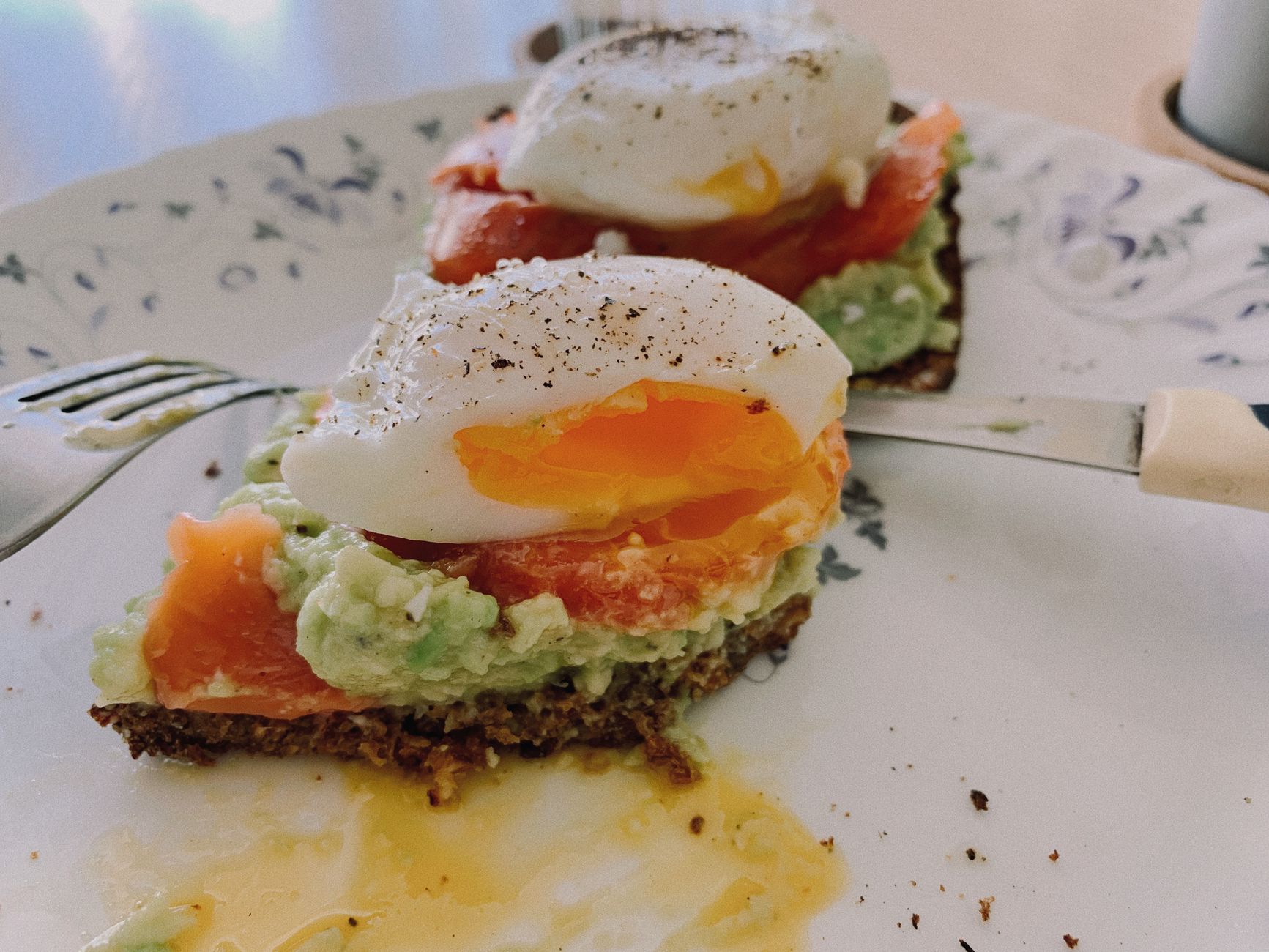
Poached eggs are a culinary delight that boasts a tender white encasing a runny yolk, creating a luscious texture perfect for a range of dishes. They can elevate breakfast plates and add an elegant touch to salads and entrées.
This guide will delve into what poached eggs are, the ingredients needed, their taste, culinary uses, and step-by-step instructions on how to achieve the perfect poached egg.
What Are Poached Eggs?
Poached eggs are eggs that have been cooked outside of their shell in simmering water. The technique involves gently cooking the egg to achieve a tender white while leaving the yolk runny. This cooking method preserves the flavor of the egg and ensures a nutrient-rich dish.
Ingredients Required for Poached Eggs
While poached eggs require minimal ingredients, choosing high-quality eggs ensures the best flavor and texture. Below is a list of essential ingredients needed for poaching eggs:
- Fresh eggs (as many as needed)
- Water (enough to fill a saucepan to about 2-3 inches deep)
- Salt (optional, for seasoning)
- Vinegar (optional, typically white or apple cider vinegar)
Taste and Texture of Poached Eggs
The taste of poached eggs is rich and mildly savory, primarily derived from the eggs themselves. The texture is a remarkable balance; the whites are soft and slightly firm, while the yolks are creamy and smooth, creating a delightful contrast in your mouth.
When prepared correctly, a poached egg should allow the yolk to run when cut, providing a glorious sauce that enhances the overall dish. Pairing poached eggs with herbs, spices, or other ingredients can further elevate the flavor profile.
Culinary Uses for Poached Eggs
Poached eggs are a versatile ingredient and can be used in numerous ways:
- Breakfast: Serve poached eggs on toast or with avocado for a hearty and nutritious breakfast.
- Salads: Add poached eggs to salads for added protein, enhancing dishes like spinach or grain salads.
- Benedicts: Elevate your brunch game with Eggs Benedict, using poached eggs as the star atop English muffins and savory toppings.
- Pasta Dishes: Top pasta dishes like carbonara with a poached egg for a rich, velvety sauce.
- Bowls: Add poached eggs to grain or vegetable bowls for a complete meal.
How to Poach Eggs Perfectly
The following step-by-step guide will show you how to poach eggs perfectly every time. This method outlines the basics, and soon, you will feel confident in customizing flavors and experimenting with your poaching technique.
Essential Equipment
To poach eggs successfully, you’ll need the following kitchen equipment:
- A medium to large saucepan
- A slotted spoon
- A small bowl or ramekin (for cracking the egg)
- A timer or clock
- A stove
Step-by-Step Instructions for Poaching Eggs
- Prepare your water: Fill a medium saucepan with about 2-3 inches of water. Place it on the stove and heat the water over medium until it reaches a gentle simmer. You should see small bubbles forming on the bottom of the pan.
- Add vinegar (optional): If desired, add 1 tablespoon of vinegar to the simmering water. This helps to coagulate the egg whites quickly, resulting in a neater poach.
- Crack the egg: Crack a fresh egg into a small bowl or ramekin. This prevents any shell fragments from entering the pot and allows ease in sliding the egg into the water.
- Swirl the water: Using a spoon, gently stir the simmering water to create a mild whirlpool. This helps the egg whites wrap around the yolk as they cook.
- Slide the egg into the water: Gently slide the egg from the bowl into the center of the whirlpool. Let it cook undisturbed for about 3-4 minutes for a runny yolk, or longer for more set yolks.
- Check for doneness: After about 3-4 minutes, carefully lift the egg with a slotted spoon. The whites should be fully set, and the yolk should still feel soft to the touch.
- Remove and serve: Lift the poached egg from the water and allow it to drain briefly on a paper towel if desired. Serve immediately on your dish or with your preferred toppings.
Common Mistakes and Troubleshooting
Learning to poach eggs can come with challenges. Here are some common mistakes to watch for:
- Water temperature: If the water is boiling too vigorously, it can break apart the egg. Stick to a gentle simmer.
- Old eggs: Fresher eggs hold their shape better when poached. If your eggs are not fresh, they may spread unevenly in the water.
- Overcooking: Keep a close watch on the timing, as overcooked eggs will have firmer yolks.
Variations and Substitutions
While the traditional poached egg is delightful on its own, there are ways to enhance its flavor and presentation:
- Herbs and spices: Adding spices like paprika or herbs like dill can complement the flavor of the egg.
- Infused water: Simmer the water with herbs or garlic for added seasoning during cooking.
- Egg substitutes: For a plant-based alternative, consider egg substitutes available in many health food stores; however, the texture and taste will differ considerably.
Storage and Reheating Guidance
Although poached eggs are best enjoyed freshly made, here’s how to store and reheat them if needed:
- Storage: If you have leftover poached eggs, allow them to cool and then place them in an airtight container. They can be stored in the refrigerator for up to 2 days.
- Reheating: To reheat, gently place the cold poached egg in a bowl of hot water for about 1-2 minutes until warmed through. Avoid microwaving, as this can overcook the egg.
Popular Dishes Featuring Poached Eggs
Many dishes highlight the beauty of poached eggs. Here are some crowd-favorites:
- Eggs Benedict: A classic brunch dish featuring poached eggs on an English muffin with Canadian bacon and Hollandaise sauce.
- Shakshuka: North African dish of poached eggs cooked in a spicy tomato sauce, served with crusty bread.
- Huevos Rancheros: Mexican dish comprising poached eggs atop corn tortillas, topped with salsa and cheese.
Conclusion
Poached eggs are an elegant and versatile dish that can enhance a variety of meals. Mastering this cooking technique can open up a world of flavors and creative culinary possibilities.
If you’re excited to expand your egg repertoire, you may enjoy exploring how to make jammy eggs or diving into the delicious world of egg foo young.