
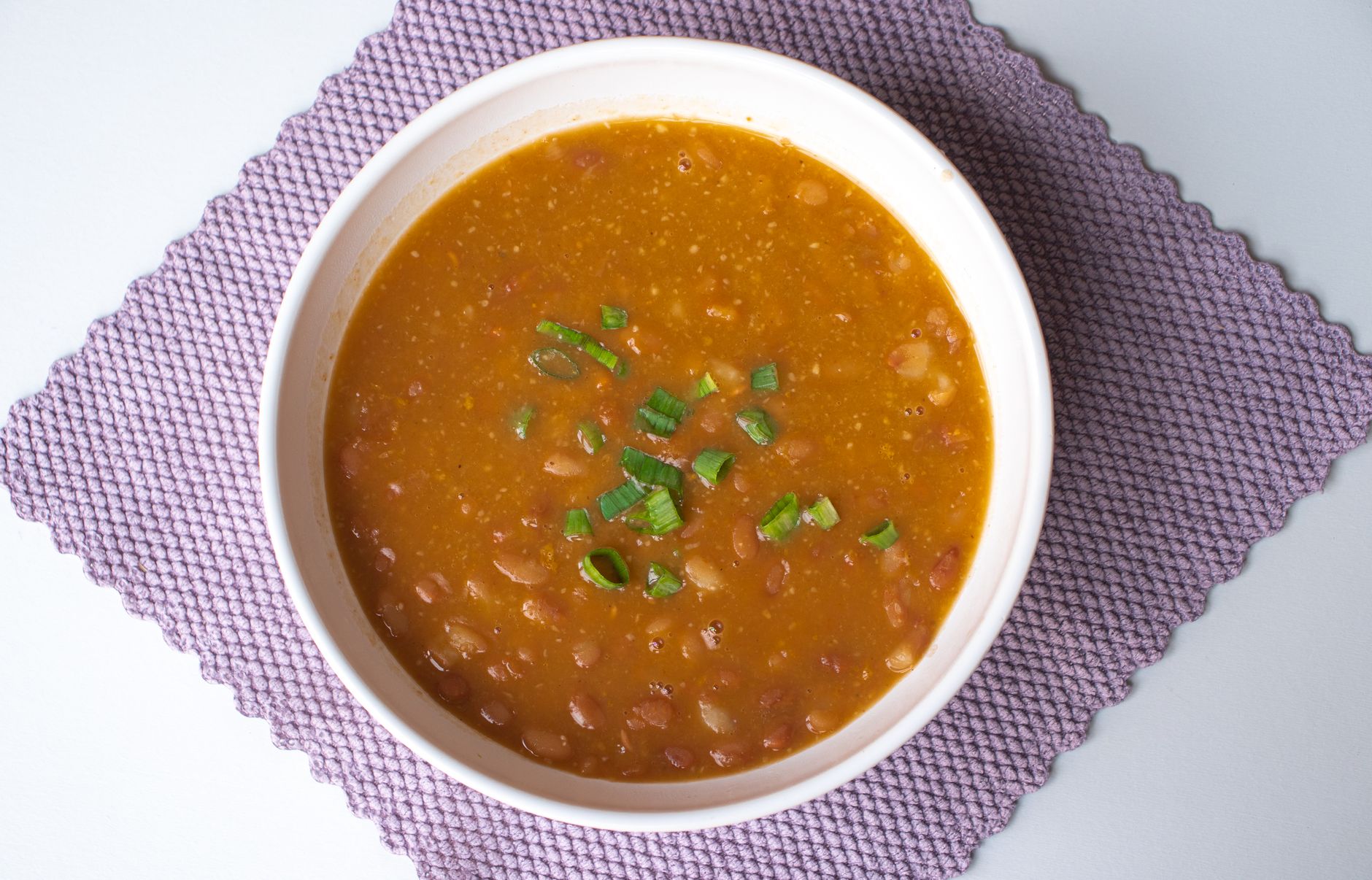
Pinto beans are a popular variety of legume known for their distinctive speckled appearance and creamy texture when cooked. They are a staple in many cuisines, particularly in Mexican and Southwestern dishes, appreciated for their versatility and nutritional benefits.
This article delves into the essentials of pinto beans, including their ingredients, taste profile, culinary uses, and how to prepare them. Whether you’re using canned beans or cooking them from scratch, understanding pinto beans can elevate your cooking.
What Are Pinto Beans?
Pinto beans are medium-sized legumes that range in color from light beige to pinkish-brown, often featuring a mottled pattern. Commonly grown in Mexico and the United States, they are known for their mild flavor and buttery consistency when cooked. Pinto beans are a great source of protein, fiber, and essential vitamins and minerals, making them a popular choice in vegetarian and health-conscious diets.
Ingredients and Nutritional Value
The primary ingredient in pinto beans is, unsurprisingly, the beans themselves. When purchasing pinto beans, you can choose between dry or canned versions. Dry pinto beans typically require soaking and cooking, while canned beans are pre-cooked and ready to use.
- Dry Pinto Beans: Can be found in most grocery stores, they require soaking before cooking to reduce cooking time and enhance digestibility.
- Canned Pinto Beans: Often packed in water or with added salt. They are convenient and ready to use straight from the can.
Pinto beans offer a plethora of nutritional benefits. A 1-cup serving of cooked pinto beans contains approximately:
- Calories: 245
- Protein: 15.4 grams
- Carbohydrates: 45 grams
- Fiber: 15.5 grams
- Fat: 0.9 grams
- Iron: 24% of the daily value (DV)
- Magnesium: 20% of the DV
- Folate: 65% of the DV
These nutrients contribute to heart health, aid in digestion, and help stabilize blood sugar levels, among other benefits.
Taste and Texture of Pinto Beans
Pinto beans have a mild, earthy flavor that allows them to absorb the spices and seasonings they are cooked with. Their texture is creamy and smooth when properly cooked, making them an ideal ingredient for various dishes. When using pinto beans in recipes, they can either be mashed or left whole, depending on personal preference.
Culinary Uses of Pinto Beans
Pinto beans are incredibly versatile and can be used in a variety of dishes. Here are some popular culinary uses:
1. Mexican Cuisine
Pinto beans are a cornerstone ingredient in Mexican dishes. They are commonly used in:
- Refried Beans: Pinto beans are cooked and then mashed, often fried in lard or oil, and seasoned with garlic and spices.
- Tacos and Burritos: Pinto beans can be added to tacos or burritos, providing protein and flavor.
- Bean Salads: They can be tossed in salads for added substance and nutritional value.
- Chili: Pinto beans hold up well in chili recipes, enhancing the dish’s heartiness.
2. Soups and Stews
Pinto beans are an excellent addition to soups and stews. They not only boost the protein content but also add a creamy texture that enriches the overall dish. Popular options include:
- Bean Soup: A classic dish that can be made with stock, vegetables, and seasonings.
- Southwestern Stew: Combining pinto beans with tomatoes, peppers, and spices creates a hearty stew.
3. Vegan and Vegetarian Dishes
Pinto beans are a favorite among those following plant-based diets. They can be utilized in various recipes, such as:
- Vegetable Burgers: Mashed pinto beans can serve as a base for homemade veggie patties.
- Rice and Bean Dishes: This combination is a complete protein source, popular in many cultures.
- Stuffed Peppers: Combine pinto beans with grains and vegetables for stuffed bell peppers.
4. Breakfast Dishes
Pinto beans can even make an appearance at breakfast. They can be served in breakfast burritos, added to omelets, or included in a savory breakfast bowl.
Cooking Methods for Pinto Beans
Cooking pinto beans can be done in several ways, depending on whether you’re using dried or canned beans. Below are the methods for each:
Cooking Dried Pinto Beans
When using dried pinto beans, it’s essential to prepare and cook them properly to enhance their flavor and texture.
Soaking
Soaking dried beans helps reduce cooking time and can improve digestibility. There are two soaking methods:
- Overnight Soaking: Place dried beans in a large bowl and cover with water. Soak overnight, then drain and rinse before cooking.
- Quick Soak: In a pot, bring beans and water to a boil for about 2 minutes, then remove from heat and let them sit covered for 1 hour. Drain and rinse.
Cooking Steps
- In a large pot, combine soaked beans with fresh water (about 3 cups of water for every cup of beans).
- Bring the water to a boil over medium-high heat, then reduce to low.
- Cover and simmer for 1 to 1.5 hours, or until beans are tender. Stir occasionally and add water as needed to keep them submerged.
- Add salt and any seasonings during the last 20–30 minutes of cooking to enhance the flavor without causing the beans to toughen.
Cooking Canned Pinto Beans
Canned pinto beans offer convenience and require minimal preparation. Here’s how to use them effectively:
- Open the can and drain the beans. Rinse under cold water to reduce sodium content and remove any canning liquid.
- Heat the rinsed beans in a saucepan over medium heat. Add a splash of water or broth for moisture.
- Season to taste with spices, herbs, or additional flavorings like garlic and onion.
- Cook for about 5–10 minutes until heated through, stirring occasionally.
Common Mistakes When Cooking Pinto Beans
To ensure your pinto beans are cooked perfectly, avoid these common pitfalls:
- Skipping the Soak: Failing to soak dried beans can lead to longer cooking times and uneven texture.
- Adding Salt Too Early: Adding salt at the beginning of the cooking process can cause beans to toughen, making them difficult to cook through.
- Overcooking: Keep an eye on the beans, as overcooking can lead to mushiness. Aim for tender yet firm beans.
Substitutions for Pinto Beans
If you don’t have pinto beans on hand, several alternatives can be used in recipes, keeping in mind that these substitutes may alter the flavor and texture slightly:
- Black Beans: Similar in texture and flavor, they can be used in Mexican dishes.
- Kidney Beans: These may alter the dish’s color but work well in soups and stews.
- Chickpeas: A unique alternative that offers a different flavor and can be mashed or left whole.
- Lentils: Another option that cooks faster and can add a different nutritional profile. Adjust cooking time as needed.
Storage and Reheating Guidelines
When it comes to storing cooked pinto beans, proper techniques can help maintain their quality:
- Refrigeration: Store cooked beans in an airtight container in the refrigerator for up to 5 days.
- Freezing: For longer storage, freeze cooked pinto beans in freezer-safe containers for up to 6 months. Thaw in the refrigerator before reheating.
To reheat, place beans in a saucepan over low heat, adding a splash of water or broth to prevent them from drying out. Stir gently until warmed through.
Conclusion
Pinto beans are a nutritious, versatile ingredient that can enhance a wide range of dishes from soups and stews to tacos and salads. Understanding how to cook and use them can open doors to endless culinary possibilities.
Explore delicious recipes like Southern Pinto Beans and learn how to make an Over the Top Chili for a flavorful experience with this delightful legume.