
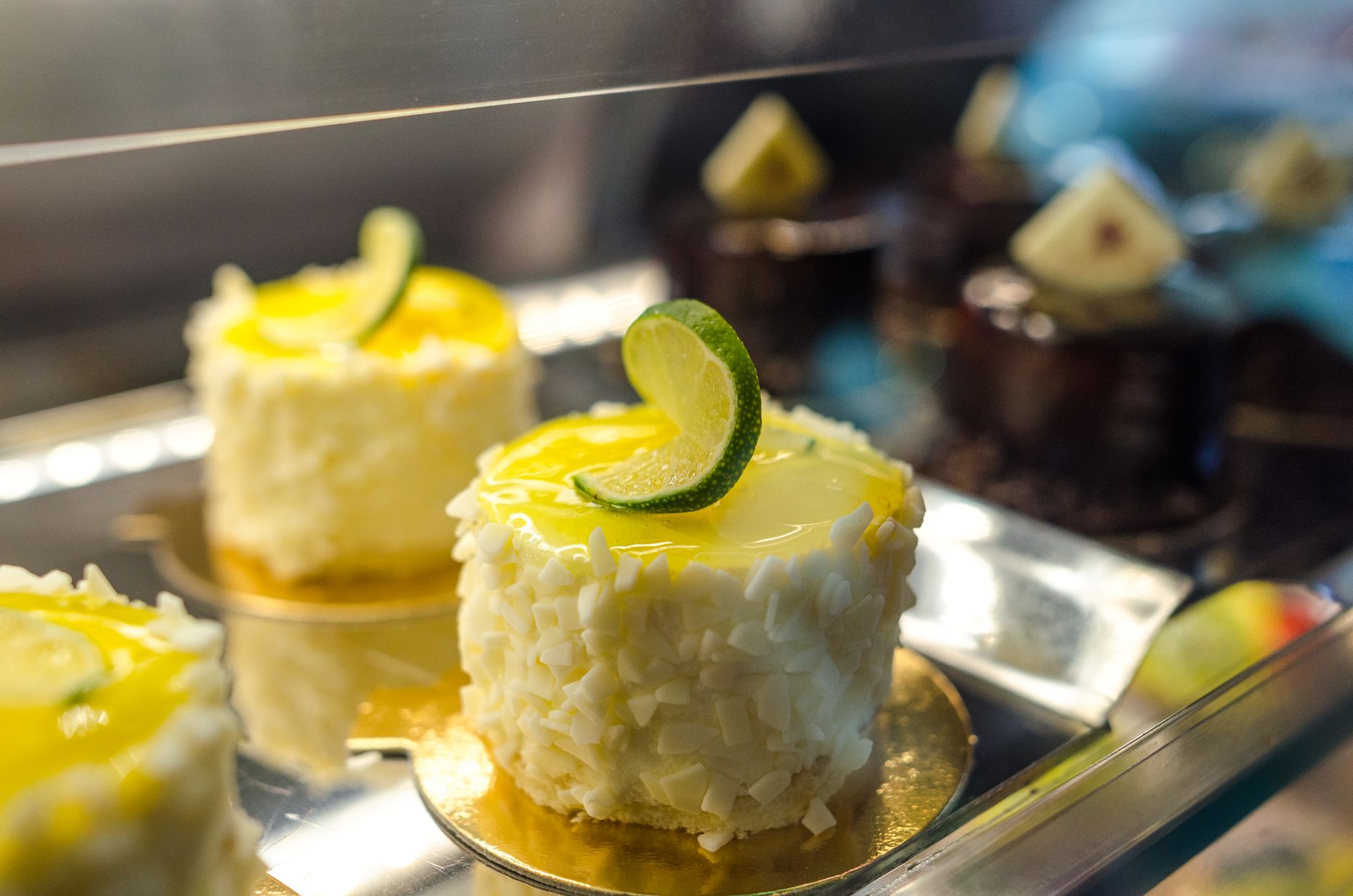
Petit fours are elegant bite-sized confections that have a rich history in French patisserie. Known for their exquisite presentation and delicate flavors, they are often enjoyed as a sophisticated treat for special occasions. Understanding what petit fours are, their ingredients, taste profile, and culinary uses will elevate your baking repertoire.
This article delves into the various aspects of petit fours, including their types, preparation methods, and potential variations. Whether you’re a seasoned baker or just starting out, you’ll find useful insights to incorporate these delightful treats into your culinary creations.
What Are Petit Fours?
Petit fours are small, beautifully decorated cakes or confections that are typically served at the end of a meal or during afternoon tea. They are often layered, filled, and covered with fondant, icing, or chocolate, making them visually appealing as well as delicious.
These treats can be made in various forms, including petits fours glacés (iced), petits fours sec (dry cookies), and petits fours salés (savory). Their small size makes them perfect for serving on platters at gatherings and celebrations, inviting guests to enjoy a selection of flavors without the commitment to a full-sized dessert.
Ingredients Used in Petit Fours
The base of a classic petit four typically consists of ingredients like flour, sugar, eggs, and butter. However, the variations can introduce an array of additional ingredients that enhance flavor and texture.
- Flour: All-purpose flour is most commonly used, though almond flour can be employed in some recipes for a distinctive nutty flavor.
- Sugar: Granulated sugar sweetens the batter, while powdered sugar is often used for icing or dusting.
- Butter: Unsalted butter provides a rich flavor and moist texture, essential for a tender cake.
- Eggs: Eggs contribute to the structure and help create a light and airy texture.
- Flavorings: Vanilla extract, almond extract, or citrus zests enhance the overall taste.
- Chocolate: Dark, milk, or white chocolate can be used for coatings or in fillings.
- Fruit Purees/Jams: Often included for flavor and as a filling between layers.
- Fondant/Icing: Used for coating or decorating and can come in various colors.
Taste and Texture of Petit Fours
The taste of petit fours can range from sweet to subtly tangy, depending on the flavorings and fillings used. The texture is equally diverse, featuring a moist and soft interior that contrasts beautifully with a crisp exterior, especially when iced or glazed.
Common flavor profiles might include vanilla, citrus, chocolate, or almond. When paired with fillings such as fruit preserves, cream, or ganache, the taste experience becomes multi-layered, creating a delightful treat that satisfies various preferences.
Culinary Uses for Petit Fours
Petit fours serve as a versatile dessert option for many occasions. Their small size makes them convenient for events where guests might prefer lighter bites, such as cocktail parties or afternoon teas. Here are some popular uses:
- Celebratory Events: Petit fours are often featured at weddings, birthdays, and anniversaries due to their elegant aesthetic.
- Tea Parties: These treats add a touch of sophistication to any tea gathering, allowing guests to sample various flavors.
- Buffet Tables: Ideal for dessert tables, they provide an array of choices without overwhelming diners.
- Corporate Events: Petit fours can impress clients and colleagues at business meetings and functions.
Types of Petit Fours
While petit fours generally refer to small pastries, they can be broken down into several categories based on preparation and presentation. Understanding these variations can help tailor your baking to suit specific tastes or occasions.
1. Petits Fours Glacés
Petits fours glacés are perhaps the most recognized type. These small cakes are typically layered with filling, coated in fondant or icing, and decorated with intricate designs. Some classic examples include:
- Macaron Petit Fours: Made using macaron shells with ganache or buttercream fillings.
- Layered Cakes: Small squares of cake, like chocolate or almond, layered with jam or cream and iced with fondant.
2. Petits Fours Sec
These dry or ‘cookie’ petit fours are typically baked and cooled without icing. They are often flavored with nuts, spices, or chocolate. Some examples include:
- Almond Cookies: Crisp almond-flavored bites that are perfect on their own or with a cup of tea.
- Brownie Bites: Miniature brownies that can be glazed or left plain.
3. Petits Fours Salés
These savory options provide a delightful contrast to sweet petit fours. They are often made with the same fundamental principles but feature flavors like cheese, herbs, or seafood. Examples include:
- Cheese and Herb Puff Pastry: Mini pastry bites filled with savory cheese mixtures.
- Smoked Salmon Blinis: Light pancakes topped with smoked salmon and cream cheese.
How to Make Petit Fours
Creating petit fours requires attention to detail and a bit of finesse, particularly in the decoration. Here’s a step-by-step guide to making basic petits fours glacés, from mixing the batter to decorating your finished treats.
Equipment Needed
- Baking tin or sheet pan
- Mixing bowls
- Electric mixer or whisk
- Offset spatula
- Rolling pin (if using fondant)
- Sharp knife or cake slicer
- Cooling rack
- Pastry brush (for glazing)
Ingredients for Basic Petit Fours Glacés
- 1 cup all-purpose flour
- 1/2 cup granulated sugar
- 1/2 cup unsalted butter, softened
- 3 large eggs
- 1 teaspoon vanilla extract
- 1/4 teaspoon baking powder
- 1/4 teaspoon salt
- 1 cup fondant or chocolate (for coating)
- Decorative toppings (sprinkles, edible glitter, etc.)
Step-by-Step Instructions
- Prepare the Batter: In a large mixing bowl, cream together the softened butter and granulated sugar until light and fluffy. This typically takes about 3-5 minutes with an electric mixer.
- Add Eggs and Flavoring: Incorporate the eggs one at a time, mixing well after each addition. Add the vanilla extract and combine.
- Mix Dry Ingredients: In a separate bowl, sift together the flour, baking powder, and salt. Gradually add this dry mixture to the butter mixture, beating until just combined.
- Bake the Cake: Preheat the oven to 350°F (175°C). Pour the batter into a greased and lined baking tin. Bake for 20-25 minutes, or until a toothpick inserted into the center comes out clean.
- Cool Down: Once baked, remove the cake from the oven and allow it to cool in the tin for about 10 minutes. Transfer to a cooling rack to cool completely.
- Cutting the Cake: Once cooled, carefully slice the cake into small squares or rectangles, about 1-2 inches in size, using a sharp knife.
- Prepare the Coating: If using fondant, roll it out on a lightly dusted surface. Brush a layer of simple syrup or melted chocolate on each cake piece to help the fondant adhere.
- Decorate: Cut out fondant shapes or simply dip each square in melted chocolate. Add any decorative toppings like sprinkles or edible glitters while the coating is still wet.
- Let it Set: Allow the petit fours to set for about 30 minutes before serving, ensuring that any coatings harden appropriately.
Common Mistakes to Avoid
While making petit fours can be straightforward, there are some common pitfalls to watch out for:
- Overmixing the Batter: This can lead to tough textured cakes. Mix until just combined.
- Incorrect Oven Temperature: Make sure to preheat the oven properly. An oven thermometer can ensure accuracy.
- Skipping Cooling Time: Cutting the cake while it’s warm can result in crumbling. Always let it cool completely.
- Improper Coating: Ensure your fondant or chocolate is the right consistency for dipping or spreading, as this affects the final appearance.
Variations and Substitutions
There are countless ways to customize petit fours to your liking. Here are some variations and ingredient swaps:
- Flavor Variations: Experiment with different extracts like almond or lemon for unique flavor profiles.
- Chocolate Coating: Instead of fondant, consider a ganache made from heavy cream and chocolate for a richer taste.
- Gluten-Free Options: Substitute all-purpose flour with gluten-free flour blends, keeping an eye on texture.
- Fruit Fillings: Use different jams or curds as fillings; raspberry or lemon curd makes for delicious alternatives.
Storage and Serving Suggestions
Petit fours are best served fresh but can be stored for a short time if necessary. Here are some tips:
- Storage: Keep them in an airtight container at room temperature for up to three days. If using cream fillings, store in the refrigerator and consume within two days.
- Serving: Arrange petit fours on a decorative platter. For an elegant touch, consider garnishing with edible flowers or fresh herbs.
- Make-Ahead: You can bake the cake in advance and cut it into pieces, but wait until the day of serving to coat and decorate.
Conclusion
Petit fours are a delightful addition to any dessert table, offering sophistication and a variety of flavors in one small bite. Understanding their composition, preparation, and presentation can enhance your baking skills. By incorporating these bite-sized treats, you can impress guests at any gathering or simply enjoy an indulgent moment in your own kitchen.
To explore more delightful recipes and tips, check out our French Meringue Recipe and learn how to create a perfect Pistachio Cream that could make a delicious filling for your petit fours.