
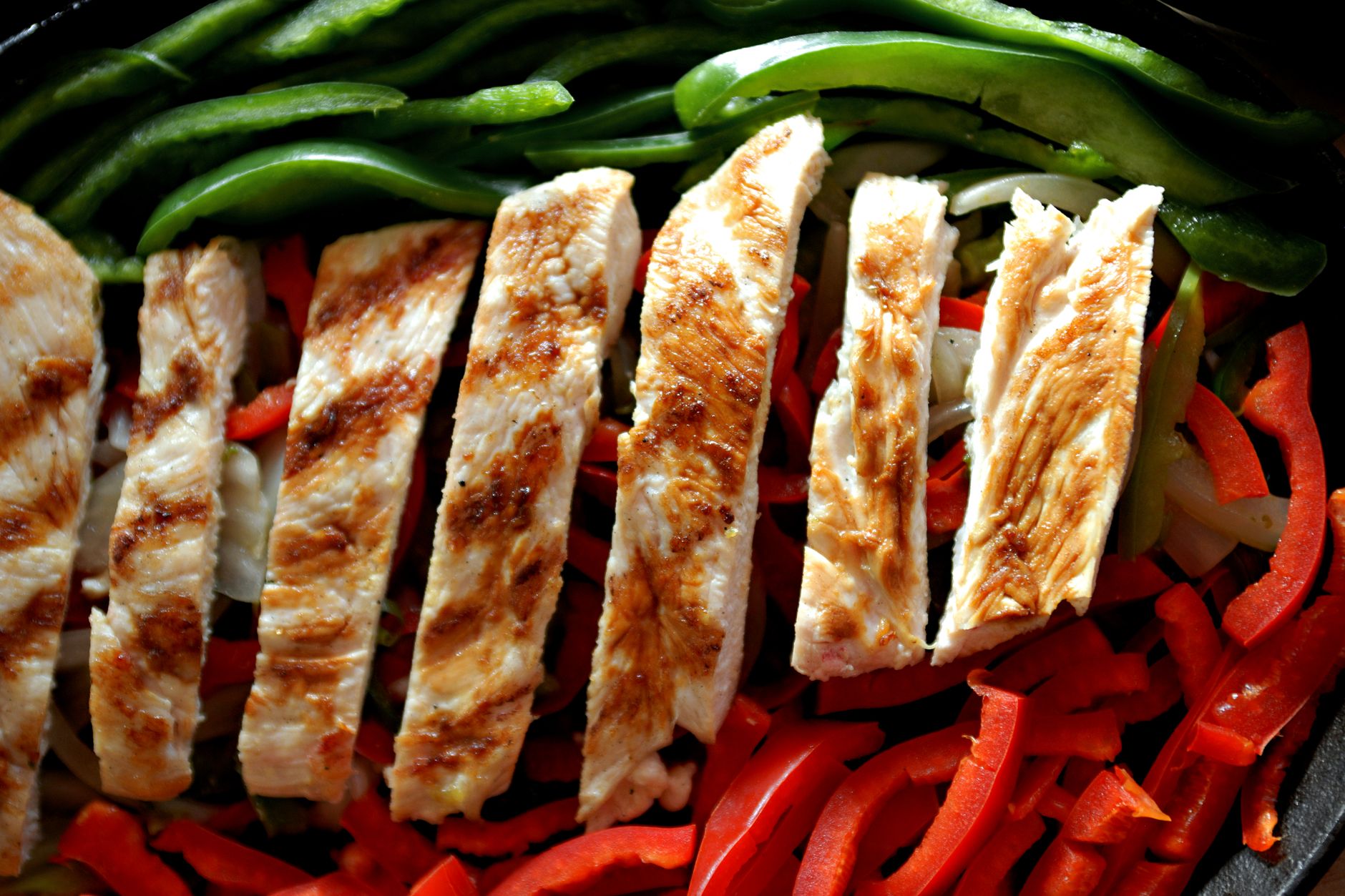
Fajita veggies are an essential component of the popular Tex-Mex dish known as fajitas. Typically consisting of bell peppers and onions, these vibrant vegetables add flavor, texture, and color to any fajita platter. Understanding their preparation and use can enhance your cooking experience and elevate your meals.
This article will explore fajita veggies’ taste, texture, and various kitchen uses, ensuring you can effectively incorporate them into your culinary repertoire.
What Are Fajita Veggies?
Fajita veggies primarily consist of sliced bell peppers, onions, and sometimes additional vegetables like zucchini, mushrooms, or tomatoes. They are sautéed or grilled and served alongside marinated meats, providing a sweet and slightly smoky flavor that complements the marinated proteins typically found in fajitas.
The Taste of Fajita Veggies
The flavor of fajita veggies is characterized by a delightful combination of sweetness and mild earthiness. When cooked, the onions become caramelized, creating a slight richness that pairs beautifully with the natural sweetness of bell peppers. The grilling or sautéing process enhances these flavors, adding a subtle smokiness that elevates the overall dish. Depending on the spices or marinades used, the fajita veggies can also take on additional layers of flavor.
The Texture of Fajita Veggies
In terms of texture, fajita veggies provide a satisfying crunch and tender bite. The onions soften during cooking, while the bell peppers retain some of their firmness, resulting in a pleasing contrast. This combination makes for an enjoyable experience when wrapped in warm tortillas or served over rice or salad.
Kitchen Uses for Fajita Veggies
Fajita veggies are versatile and can be used in a variety of dishes, not limited to traditional fajitas. Consider the following uses:
- Fajitas: The most obvious use, fajita veggies are perfect for any fajita assembly, paired with grilled chicken, beef, or shrimp.
- Stir-fries: Incorporate them into stir-fries for a quick and flavorful meal. Their sweet and savory notes pair well with soy sauce and other stir-fry sauces.
- Vegetable Sides: Serve them as a side dish to grilled meats or seafood, seasoned simply with salt and pepper.
- Tacos and Burritos: Use fajita veggies as a flavorful filling for tacos or burritos, offering a satisfying crunch and taste.
- Salads: Add sautéed or grilled fajita veggies to salads for a hearty and nutritious component.
- Sandwiches and Wraps: Incorporate fajita veggies into sandwiches or wraps for added flavor and colour.
How to Prepare Fajita Veggies
Preparation is straightforward and can be accomplished with minimal technique. Here’s how to prepare fajita veggies:
Ingredients
- 2 medium bell peppers (any color: red, yellow, green, or orange)
- 1 large onion (yellow or red)
- 2 tablespoons olive oil
- Salt, to taste
- Black pepper, to taste
- Optional: 1 teaspoon fajita seasoning (to enhance flavours)
Essential Equipment
- Cutting board
- Chef’s knife
- Large skillet or grill pan
- Spatula or wooden spoon
Step-by-Step Preparation Method
- Wash and Cut: Rinse the bell peppers and onion under cold water. Slice the bell peppers in half lengthwise, remove the seeds, and slice into strips. Cut the onion in half, remove the skin, and slice into thin strips.
- Heat the Oil: In a large skillet or grill pan, heat the olive oil over medium-high heat. Allow the oil to get hot but not smoking.
- Add Vegetables: Once the oil is hot, add the sliced bell peppers and onion to the pan in a single layer to allow for even cooking.
- Season and Cook: Sprinkle with salt, black pepper, and optional fajita seasoning. Stir occasionally, allowing the veggies to cook for about 5-8 minutes, or until they are tender and slightly caramelized.
- Finish and Serve: Once the vegetables are done, remove them from the heat and transfer them to a serving dish. They are now ready to be enjoyed!
Practical Substitutions
If you find yourself lacking the traditional ingredients for fajita veggies, consider these substitution options:
- Other Bell Peppers: While typical fajita veggies include green, red, yellow, or orange bell peppers, you can experiment with other varieties like purple or mini sweet peppers for different flavors and colors.
- Cabbage: Shredded cabbage can be a great low-carb alternative to fajita veggies, adding a similar crunch.
- Onion Varieties: Other types of onions, such as sweet onions or scallions, can also be used. The flavor may vary slightly, but they will still add the desired texture and taste.
- Garlic: For extra flavor, consider adding minced garlic to the skillet when cooking the veggies.
Common Mistakes and Troubleshooting
Here are some common mistakes to watch for when preparing fajita veggies:
- Overcrowding the Pan: Overcrowding can cause the veggies to steam instead of sauté. This leads to soggy vegetables rather than caramelized ones. Cook in batches if necessary.
- Inconsistent Sizing: Cutting the vegetables into uneven sizes can lead to uneven cooking. Aim for uniform thickness to ensure even tenderness.
- Underseasoning: Fajita veggies benefit from seasoning, so be sure to add enough salt and pepper or fajita seasoning.
Storage and Reheating Advice
If you have leftover fajita veggies, proper storage and reheating can maintain their quality:
- Storage: Store fajita veggies in an airtight container in the refrigerator for up to 3-4 days.
- Freezing: While freezing is possible, the texture may change upon reheating. If freezing, use them within 1-2 months.
- Reheating: To reheat, place the vegetables in a skillet over medium heat, stirring frequently until heated through. Alternatively, microwave in short intervals until warmed but be cautious as over-microwaving can lead to a mushy texture.
Serving Suggestions
Think beyond traditional fajitas when serving fajita veggies:
- With Dips: Serve them with dips like guacamole or salsa as a vibrant, flavorful appetizer.
- On a Bed of Greens: Create a hearty salad topped with fajita veggies, grilled chicken, and your favorite dressing.
- In Quiches or Omelettes: Fajita veggies can be incorporated into breakfast dishes for added flavor and nutrition.
- On Pizzas: Use them as a topping for pizzas for a fresh, colorful element.
Variations of Fajita Veggies
To explore new flavors, consider experimenting with additional vegetables or different cooking methods:
- Mix in Additional Veggies: Try adding zucchini, mushrooms, or corn for extra flair.
- Different Cooking Methods: Instead of sautéing, consider grilling them, which can add a nice char flavor.
- Spice Variations: Experiment with different spice blends according to your taste preferences, such as taco seasoning or even curry powder.
Final Thoughts
Understanding fajita veggies’ characteristics and uses will empower you in the kitchen, allowing you to create vibrant and flavorful dishes. Their versatility, ease of preparation, and ability to complement a wide variety of proteins make them a valuable addition to your meal planning.
For additional inspiration, consider exploring recipes for hibachi vegetables or chicken fajita seasoning for a more robust flavor in your meals.