
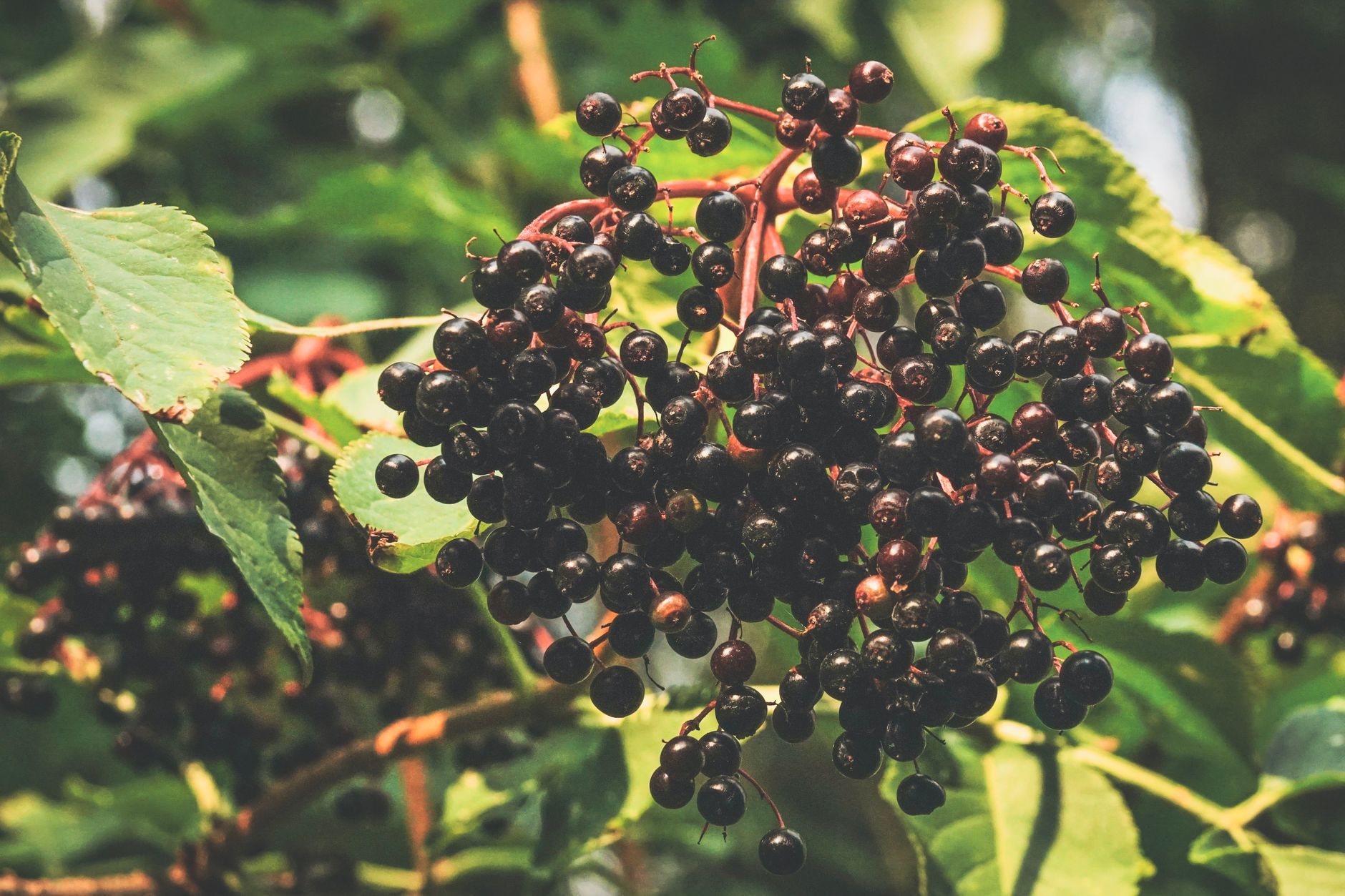
Elderberries are small, dark berries that grow in clusters on the elder tree (Sambucus). They have been used for centuries in various culinary and medicinal applications, offering a unique tart flavor and potential health benefits. This versatile ingredient is often found in syrups, jams, wines, and even baked goods, making it a beloved choice for many home cooks.
In this article, we will explore what elderberries are, their taste profile, culinary uses, and how to incorporate them into your cooking. Whether you’re interested in using them for their flavor or their health properties, elderberries are worth getting to know.
What Are Elderberries?
Elderberries come from the small, dark clusters of berries produced by the elder tree, primarily the European elder (Sambucus nigra). This tree grows in various regions, particularly in Europe, North America, and parts of Asia. Traditionally, elderberries have been praised for their high antioxidant levels and have been used in folk medicine to help alleviate various ailments.
The berries are small, measuring about 3 to 5 millimeters in diameter, and grow in clusters, usually turning from green to a deep purple to black when ripe. The flavor is sweet yet tart, with a distinct aroma that makes them popular in various dishes.
Taste and Flavor Profile of Elderberries
Elderberries have a complex flavor profile that balances sweetness with tartness. When cooked, they tend to mellow out, losing some of their sharpness while retaining a rich, fruity flavor. The raw berries can taste somewhat bitter and are generally not advisable to consume without cooking, mainly due to the potential toxicity of their seeds.
Cooking with Elderberries
When cooking with elderberries, they can be used fresh, dried, or processed into syrups or jams. Their flavor pairs well with a variety of ingredients, including spices like cinnamon and nutmeg, other fruits like apples and pears, and even savory items such as meats and game. This versatility allows for creative culinary applications ranging from desserts to savory dishes.
Culinary Uses of Elderberries
Elderberries can be utilized in numerous culinary preparations. Here are some of the most popular uses and recipes that highlight their potential:
- Elderberry Syrup: This is perhaps the most common use of elderberries. The syrup can serve as a natural remedy for colds and flu, or as a sweetener in beverages and desserts. See our detailed recipe here.
- Elderberry Jam or Jelly: Elderberries can be cooked down with sugar and pectin to create a delicious spread that’s perfect for toast or as a filling for pastries.
- Beverages: Elderberries can be used to create juices, wines, and teas. Their distinct flavor makes them an exquisite addition to alcoholic and non-alcoholic drinks alike.
- Bakery Goods: Incorporate elderberries into muffins, pancakes, or cakes. The berries add moisture and a fruity burst of flavor, enhancing your baked goods.
- Savory Dishes: Use elderberries to create sauces or reductions for meats. The sweet-tart profile can beautifully complement dishes like roasted chicken or pork.
- Infusions and Extracts: Elderberries can be infused into vinegar or spirits to create unique flavors for dressings and cocktails.
How to Prepare Elderberries
Before using elderberries, proper preparation is essential. Follow these steps to ensure they are safe and flavorful:
- Choose Ripe Berries: Look for clusters of fully ripened berries that are deep purple or black. Avoid those that are red or green, as they can be toxic.
- Wash Thoroughly: Rinse the berries under cold water to remove any dirt or debris.
- Remove the Stems: Carefully separate the berries from their stems. The stems can be bitter and should not be consumed.
- Cooking Required: Always cook elderberries before consuming them. This will help deactivate any potentially harmful compounds and enhance flavor.
Making Elderberry Syrup
Elderberry syrup is popular for its flavor and purported health benefits, particularly during the cold season. Here’s how to make it at home:
Yield and Timing
- Yield: Approximately 2 cups
- Preparation Time: 10 minutes
- Cooking Time: 45 minutes
- Total Time: 55 minutes
Ingredients
- 1 cup elderberries (fresh or dried)
- 3 cups water
- 1-2 cups raw honey (to taste)
- 1 teaspoon cinnamon (optional)
- 1 teaspoon ginger (optional)
- 1 teaspoon vanilla extract (optional)
Essential Equipment
- Medium saucepan
- Strainer or cheesecloth
- Glass jar or bottle for storage
- Wooden spoon
Instructions
- In a medium saucepan, combine the elderberries and water. Bring to a boil over medium heat.
- Reduce the heat to low and simmer for about 30 minutes, allowing the mixture to reduce by half.
- Add the cinnamon, ginger, and vanilla extract if using, and stir well.
- Remove from heat and allow the mixture to cool slightly.
- Strain the mixture through a cheesecloth or fine strainer into a clean jar or bottle, discarding the solids.
- While the liquid is still warm, stir in the raw honey until fully dissolved. Taste and adjust sweetness as desired.
Storage
Elderberry syrup can be stored in the refrigerator for up to two weeks. For longer storage, consider freezing portions in ice cube trays or using an airtight container designed for freezing.
Practical Tips for Cooking with Elderberries
When incorporating elderberries into your cooking and baking, consider these helpful tips:
- Experiment with Pairings: Elderberries pair wonderfully with apples, pears, and spices like clove and star anise. Don’t hesitate to try them in various contexts.
- Sweetness Adjustments: The tartness of elderberries can vary, so be prepared to adjust the sugar in recipes based on their flavor.
- Use Fresh or Dried: While fresh elderberries are available during their harvest season, dried elderberries can be found year-round and are excellent for making syrups or teas.
- Health Considerations: Always remember to cook elderberries, as raw consumption may lead to unpleasant effects.
- Infuse Flavors: Consider infusing elderberries into syrups, liquors, or vinegars for added depth of flavor.
Frequently Asked Questions
Can you eat raw elderberries?
Raw elderberries are not recommended for direct consumption due to the presence of toxic compounds. Cooking them effectively neutralizes these risks and enhances their flavor.
Are elderberries healthy?
Elderberries are high in antioxidants and vitamins, particularly vitamin C. They have been traditionally used in herbal medicine to support immune health during cold and flu season.
Where to buy elderberries?
Elderberries can be found at local farmers’ markets during their season or purchased dried from health food stores, herbal shops, or online retailers.
Storage and Preservation of Elderberries
For those who want to preserve elderberries for later use, consider the following methods:
- Freezing: After washing and destemming, you can freeze elderberries in airtight bags for up to a year. This allows you to enjoy their flavor beyond the harvest season.
- Canning: Elderberry jam or syrup can be processed using water bath canning methods to ensure long-storage capability without refrigeration.
Conclusion
Elderberries are a uniquely versatile ingredient that deserves a spot in your pantry. Their tart sweetness can enhance a range of dishes, from syrups and jams to baked goods and savory applications. With their historical significance and potential health benefits, using elderberries in your cooking not only adds flavor but also nutrition to your meals.
Explore more about cooking with ingredients, such as our delicious elderberry syrup recipe! Discover how to make the most of this delightful berry.