
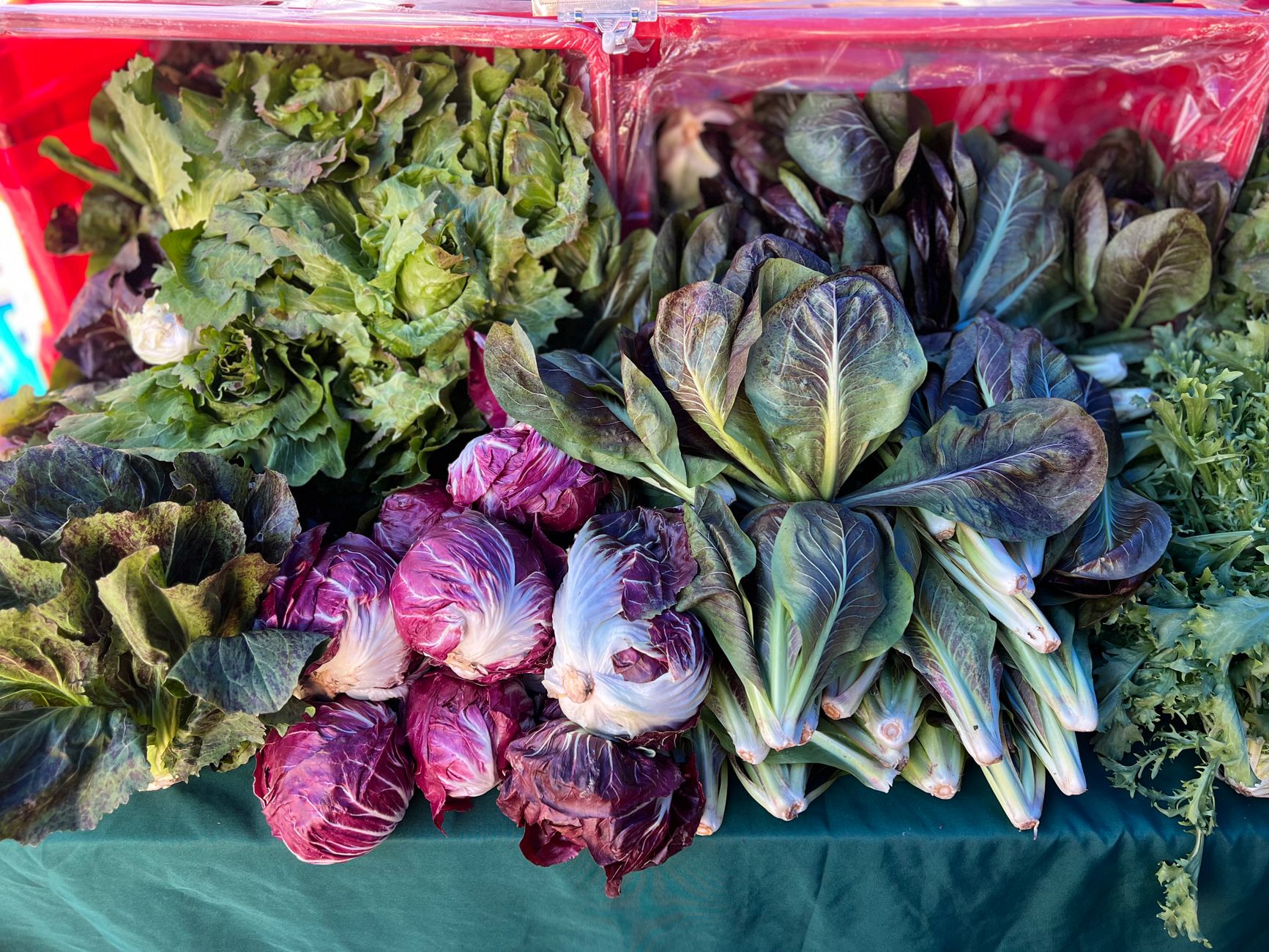
Understanding what is in season is crucial for maximizing flavor, nutrition, and sustainability in your cooking. Seasonal ingredients are at their peak during specific times of the year, resulting in better taste and value. This guide will provide insights on determining what is in season, offer tips on buying and storing seasonal produce, and explain why it matters.
By focusing on seasonal ingredients, you can enhance your meals while also supporting local farmers and reducing your carbon footprint. Let’s explore how to make the most of seasonal produce year-round, along with tips to effectively incorporate them into your meal planning and recipes.
What Is in Season?
In culinary terms, an ingredient is considered “in season” when it is at its peak ripeness and flavor at a specific time of year. Seasonal fruits and vegetables are often harvested at their optimal time, making them more flavorful and nutritious. This seasonal cycle varies greatly depending on your geographical location, climate, and farming practices.
To easily spot what is in season, refer to local farmer’s markets, grocery store seasonal guides, or agricultural extension websites in your area. Typically, farmers will offer produce that is ripe and ready for harvest during that specific season. Here is a general overview of seasonal produce grouped by the season:
Spring
During spring, a renewed abundance of fresh vegetables and fruits emerges, providing a vibrant palette to your meals.
- Asparagus: Tender and crisp, perfect for roasting or grilling.
- Peas: Either snow peas or snap peas are sweet and great in salads.
- Radishes: Their peppery crunch brightens up any dish.
- Spinach: Leafy and nutrient-rich, it can be used fresh in salads or cooked.
- Strawberries: Sweet and juicy, ideal for desserts, salads, or eating fresh.
Summer
Summer is known for a delightful variety of juicy fruits and colorful vegetables that are perfect for grilling and fresh salads.
- Tomatoes: Rich in flavor, perfect for sauces, salads, or sandwiches.
- Cucumbers: Crisp and refreshing, ideal for salads or snacks.
- Bell Peppers: Sweet and crunchy, excellent for grilling and stir-fries.
- Blueberries: Their sweetness makes them perfect for desserts, breakfasts, or snacking.
- Stone fruits: Peaches, plums, and cherries are at their best and great eaten fresh.
Fall
As the season shifts to fall, heartier produce takes the stage, often used in comfort dishes.
- Pumpkins: Versatile for pies, soups, and fun fall decorations.
- Squash: Varieties like butternut and acorn are perfect for roasting or soups.
- Apples: Great for snacking, baking, or making applesauce.
- Brussels Sprouts: They develop a nutty flavor once roasted or sautéed.
- Sweet Potatoes: Naturally sweet and perfect for both savory and sweet dishes.
Winter
Winter brings a different selection of produce, often with a focus on root vegetables and hardy greens.
- Winter greens: Kale and collard greens are packed with nutrients and great in soups.
- Carrots: Sweet and crunchy, excellent for roasting or raw in salads.
- Citrus fruits: Oranges, grapefruits, and lemons are refreshing in colder months.
- Beets: Their earthy flavor is enhanced by roasting or pickling.
- Parsnips: Sweet and starchy, excellent in soups or roasted.
Buying Seasonal Produce
When shopping for seasonal produce, there are several tips to keep in mind to ensure quality and freshness:
1. Choose Local
Support local farmers by buying at farmer’s markets or local grocery stores. Local ingredients generally taste better and have a smaller carbon footprint.
2. Inspect Carefully
Look for vibrant colors, firm textures, and avoidance of blemishes. Seasonal produce should look and feel fresh.
3. Be Flexible
Menu planning based on what is available can lead to creative meals. Try new vegetables or fruits and discover exciting flavor combinations.
4. Ask Questions
If you’re shopping at a farmer’s market or local store, don’t hesitate to ask vendors about when the produce was harvested. This can give you insight into its freshness.
5. Buy in Bulk When Practical
If you find seasonal produce at a good price, buy in bulk and use it in various dishes or preserve it for later use.
Storing Seasonal Produce
Proper storage techniques will ensure your seasonal ingredients stay fresh for longer. Here are some general guidelines for common fruits and vegetables:
1. Leafy Greens
Store in a breathable container in the refrigerator. Keep them dry, as moisture can lead to spoilage.
2. Root Vegetables
Store potatoes, carrots, and beets in a cool, dark place. A paper bag can help absorb moisture.
3. Bananas
Keep at room temperature until ripe. Once ripe, it’s best to refrigerate to extend shelf life; the skin may turn brown, but the fruit will still be good.
4. Tomatoes
Store at room temperature away from direct sunlight to maintain flavor.
5. Stone Fruits
Keep at room temperature until ripe, then transfer to the fridge if not eaten right away.
Benefits of Eating Seasonally
Eating seasonal foods offers numerous benefits that go beyond just taste and sustainability:
1. Freshness and Flavor
Seasonal produce is often harvested at its peak ripeness, leading to superior taste and freshness in cooking and snacking.
2. Nutritional Value
Fruits and vegetables are often more nutrient-dense when harvested in season, providing the best health benefits.
3. Environmental Impact
Seasonal eating reduces the need for long transportation and storage, leading to lower greenhouse gas emissions and a smaller carbon footprint.
4. Economic Savings
Buying seasonal produce can be more cost-effective, as peak-season items are more abundant and often priced lower.
Incorporating Seasonal Produce in Your Meals
Now that you know what to look for and how to buy and store seasonal produce, let’s explore different ways to incorporate them into your meals.
Meal Planning
Consider planning a week’s worth of meals around seasonal ingredients for flexibility and variety:
- Use asparagus and peas in a spring vegetable stir-fry.
- Make a summer salad featuring fresh tomatoes, cucumbers, and feta cheese.
- Prepare a hearty autumn soup with pumpkin, sweet potatoes, and spices.
- Roast winter root vegetables with herbs for a delicious side dish.
Batch Cooking
Creating larger portions of seasonal dishes can save time during the week:
- Prepare a batch of ratatouille with summer vegetables and freeze individual servings.
- Cook a large pot of vegetable soup featuring fall squashes that can be enjoyed over several days.
- Make seasonal sauces, such as tomato or pumpkin, and store for later use.
Snacking and Sides
Seasonal produce can easily be turned into fresh snacks or light side dishes:
- Cut raw carrots and pair them with a hummus dip.
- Serve bountiful summer fruit salads with yogurt.
- Roast seasonal Brussels sprouts as a crunchy side dish.
Common Mistakes When Buying Seasonal Produce
While shopping for seasonal ingredients, be aware of some common pitfalls:
- Assuming the product is always fresh just because it’s in season. Always check for signs of spoilage.
- Overbuying ingredients you may not use. Plan to ensure minimal waste.
- Ignoring your taste preference. Experiment but stay true to flavors you enjoy.
Storing and Freezing Seasonal Foods
When buying in bulk, you may want to think about storage or preservation methods:
Freezing
Freezing is an excellent way to extend the life of seasonal ingredients:
- Blanch vegetables like green beans and carrots before freezing for better texture.
- Puree seasonal fruits like strawberries or peaches for smoothies or dessert toppings.
- Store herbs in ice cube trays with olive oil for ready-to-use flavor boosters.
Canning and Preserving
Explore canning methods for items like tomatoes or pickles:
- Choose validated canning recipes that provide safe preservation guidelines.
- Ensure sanitation of jars and lids to prevent contamination.
- Understand processing times and temperature for safe and effective preservation.
Conclusion
Understanding what is in season can greatly enhance your cooking experience. Eating seasonal not only supports local agriculture but also maximizes flavor and nutrition. Utilize the tips provided to discover fresh, seasonal ingredients and experiment in your kitchen.
Explore related recipes and cooking guides to get inspired by fresh ideas. Check out how to store seasonal items and whether you can freeze classic favorites like pumpkin pie or watermelon for future enjoyment.