
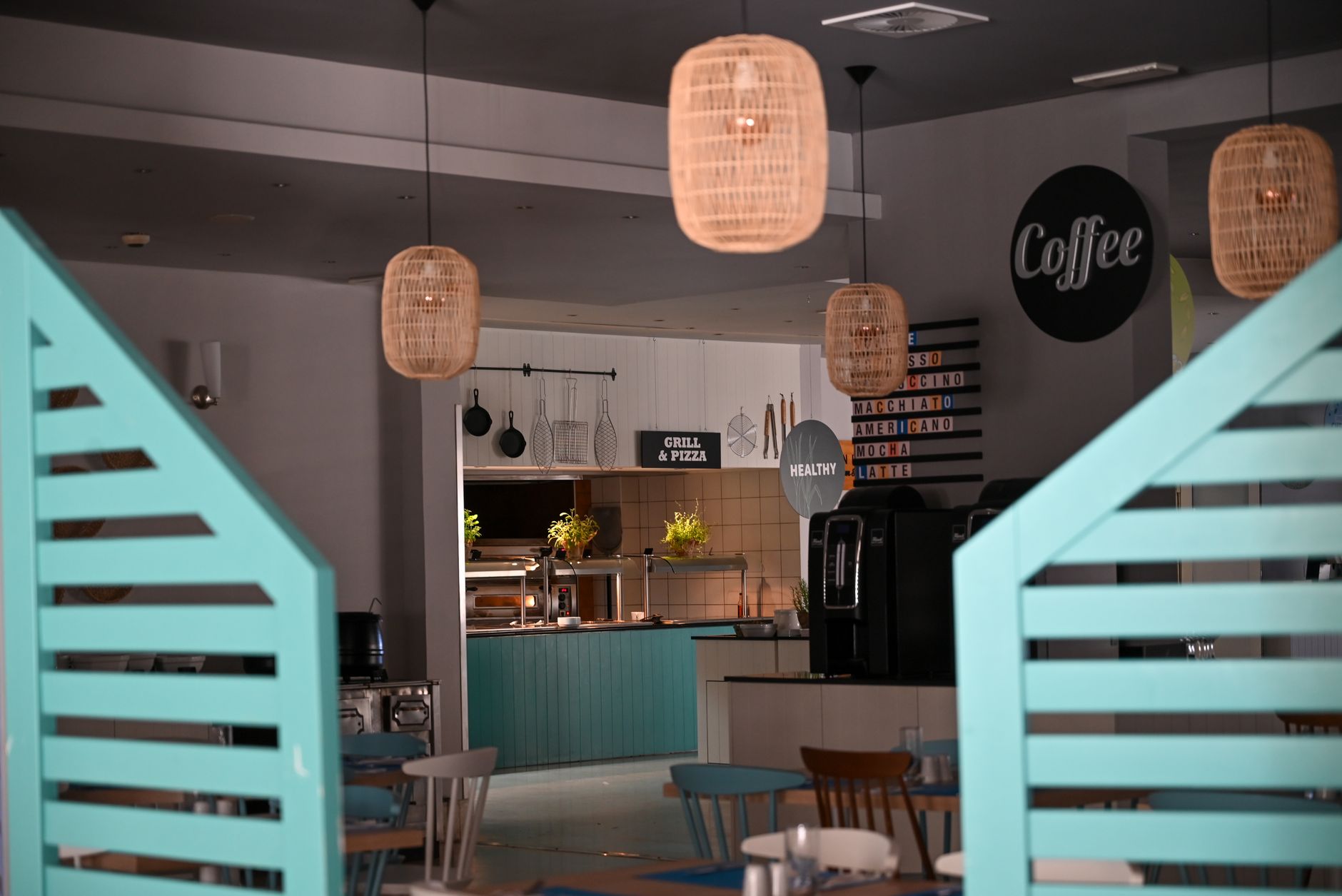
Running a bar and grill can be a challenging yet rewarding venture. However, despite the best efforts of owners and staff, many establishments end up closing their doors. Understanding the common reasons behind these closures can provide valuable insights for current and prospective restaurateurs. This article explores the factors that often lead to the downfall of bar and grill establishments.
From financial mismanagement to changing consumer preferences, the reasons are multifaceted. By examining these aspects, restaurant owners can better prepare for potential pitfalls and improve their chances of success.
What Are Common Reasons a Bar and Grill Closes?
Common reasons a bar and grill may close include financial difficulties, poor location, lack of effective marketing, inability to adapt to changing trends, and inadequate customer service. Addressing these issues early on can help prevent closures and maintain a vibrant dining environment.
1. Financial Mismanagement
One of the primary reasons many bars and grills fail is due to improper financial management. This can take multiple forms, such as:
- Excessive Overhead Costs: High rent, utility costs, and labor expenses can quickly erode profit margins, making it difficult for owners to stay afloat.
- Poor Budgeting: Inadequate financial planning can lead to overspending on supplies, equipment, and marketing, which can rapidly deplete funds.
- Inaccurate Financial Forecasting: Failing to accurately predict sales and earnings can lead to cash flow issues, leaving little room for unexpected expenses.
To mitigate these risks, bar and grill owners should keep detailed records, regularly review their financial statements, and create realistic budgets that account for variable income and expenses.
2. Poor Location
The old adage, “location, location, location,” holds true for bars and grills. A poorly chosen location can significantly impact foot traffic and customer interest. Factors affecting location viability include:
- Accessibility: If customers find it difficult to access the establishment, they may choose not to visit.
- Visibility: A bar and grill that is hidden or hard to spot may struggle to attract new customers.
- Competition: Establishments in saturated markets may find it challenging to carve out a niche.
- Demographics: Analyzing the local population to ensure the menu and price points align with customer preferences is crucial.
Conducting thorough market research before selecting a location can help owners make informed decisions and avoid common pitfalls.
3. Lack of Effective Marketing
Marketing is crucial for any bar and grill wanting to thrive. A lack of effective marketing strategies can lead to diminished visibility and reduced customer engagement. Some specific marketing missteps include:
- Limited Online Presence: In today’s digital age, having a strong social media presence and website is essential. Failing to engage with customers online can decrease brand awareness.
- Poor Brand Identity: Without a clear and compelling brand identity, customers may struggle to differentiate an establishment from competitors.
- Neglecting Customer Feedback: Failing to respond to customer feedback can lead to negative experiences and reduced customer loyalty.
Creating a comprehensive marketing plan that utilizes both online and offline tactics can help bars and grills build a strong customer base and enhance profitability.
4. Inability to Adapt to Changing Trends
The restaurant industry is continuously evolving, and customers’ tastes and preferences can change rapidly. Bar and grill owners must stay informed about emerging trends, such as:
- Health Consciousness: With the rising demand for healthier options, failing to adapt menus to include such offerings can alienate potential customers.
- Dietary Preferences: Accommodating dietary restrictions such as gluten-free, vegan, or allergen-free options is becoming increasingly important.
- Trends in Cuisine: Not embracing popular food trends or local favorites can hinder a bar and grill’s ability to attract a diverse clientele.
Regularly researching food and beverage trends, along with customer preferences, allows bar and grill owners to refresh their menus and avoid becoming stale.
5. Inadequate Customer Service
Customer service is a significant factor influencing customer satisfaction and retention. Poor service can drive customers away and tarnish a bar and grill’s reputation. Common service-related issues include:
- Long Wait Times: Slow service can frustrate customers, leading them to choose competing establishments.
- Lack of Staff Training: Untrained staff may not understand how to provide excellent service, ultimately impacting the customer experience.
- Neglecting Customer Needs: Failing to attend to customers promptly or ignoring their feedback can lead to negative reviews and lost business.
Investing in training programs and prioritizing customer experience can elevate service standards, fostering customer loyalty and encouraging repeat business.
6. Insufficient Menu Variety
A limited menu can deter potential customers, especially in a competitive market. A successful bar and grill should offer enough variety to appeal to different tastes and dietary preferences. Key points include:
- Seasonal Offerings: Regularly updating the menu to include seasonal dishes can generate excitement and encourage repeat visits.
- Catering to Special Diets: Including vegetarian, vegan, and gluten-free options can widen the customer base.
- Signature Dishes: Establish a few standout menu items that become synonymous with your brand, enticing customers to return.
Regularly soliciting customer feedback can offer insights into menu preferences and help owners make informed adjustments.
7. Staffing Issues
The success of any bar and grill relies heavily on its staff. High turnover rates can lead to inconsistency in service and product quality. Critical staffing challenges include:
- Inadequate Hiring Practices: Selecting the wrong candidates can lead to poor service and negatively impact guest experiences.
- Low Staff Morale: A toxic work environment can result in high turnover rates, causing disruptions in service and increasing training costs.
- Understaffing: Poorly managed staffing schedules can leave teams overwhelmed, leading to slow service and dissatisfied customers.
Fostering a positive workplace culture and implementing fair hiring and scheduling practices can significantly reduce staffing problems.
8. Poor Food Quality
Consistency and quality of food play a vital role in a bar and grill’s reputation. Underestimating the importance of ingredient sourcing and kitchen practices can lead to closures. Reasons related to food quality include:
- Inconsistent Dishes: Fluctuations in portion sizes, preparation methods, and ingredient quality can lead to disappointing meals.
- Poor Inventory Management: Running out of essential ingredients or using expired products can severely affect menu offerings.
- Untrained Kitchen Staff: Failing to provide chefs and cooks with adequate training can lead to inconsistencies.
Implementing standardized recipes and investing in quality ingredients can help maintain high food standards and customer satisfaction.
9. Market Disconnect
Understanding the target customer base is crucial for success. A disconnect between the bar and grill’s offerings and the community’s interests can lead to poor sales. Important considerations include:
- Community Engagement: Failing to integrate into the local community can make a restaurant less appealing.
- Lack of Customer Feedback: Not actively seeking and responding to customer preferences can create disinterest in the menu and services offered.
- Competition Analysis: Ignoring competitor strategies can hinder a bar and grill’s ability to remain relevant.
Engaging with the community through events, promotions, and feedback sessions can help bar and grill owners adapt to customer expectations and preferences.
10. Noncompliance with Health Regulations
Bars and grills must adhere to strict health and safety regulations. Noncompliance can lead to fines, shutdowns, or even permanent closures. Common issues include:
- Food Safety Standards: Failing to follow established food safety practices can lead to contamination and foodborne illnesses.
- Insufficient Cleanliness: Unsanitary conditions can result in health department violations and negative customer experiences.
- Employee Hygiene: Not enforcing proper hygiene practices among staff can compromise food quality and safety.
Prioritizing cleanliness, regular training on food safety, and ensuring compliance with local health regulations can help maintain operational integrity.
11. Economic Factors
Economic conditions can significantly impact a bar and grill’s profitability. Factors such as:
- Recession: Decreased disposable income can lead to reduced spending in restaurants.
- Unemployment Rates: High unemployment can decrease the overall number of dining customers.
- Inflation: Rising costs for ingredients and labor can erode profit margins.
Staying informed about economic conditions and adjusting pricing and menu offerings accordingly can help mitigate the impact of economic downturns.
12. Societal Changes
Consumer preferences often reflect larger societal changes. For instance, the shift towards sustainable and local sourcing has become increasingly important. Bars and grills that fail to recognize these shifts may struggle to retain patrons. Key societal trends include:
- Sustainability: Many consumers now prioritize environmentally friendly practices, including waste reduction and sustainable ingredient sourcing.
- Community Support: A growing preference for supporting local businesses can affect customer loyalty.
- Health Awareness: Increased awareness of health issues has pushed many to seek healthier dining options.
Staying attuned to societal changes and adapting accordingly can help bars and grills remain competitive.
13. Poor Reviews and Reputation
In the digital age, an establishment’s reputation can make or break its success. Negative reviews can dissuade potential customers. Consistent reasons for poor reviews include:
- Unresolved Complaints: Ignoring customer feedback can exacerbate issues and worsen public perception.
- Poor Online Presence: An uninviting website or lack of social media engagement can deter potential diners.
- Inconsistent Experiences: Failing to consistently deliver high-quality food and service can lead to reputational damage.
Actively managing an online reputation and soliciting customer feedback can help bar and grill owners address concerns before they escalate.
14. Regulatory Challenges
Bars and grills must navigate various legal requirements, from liquor licensing to health regulations. Failing to comply can result in closures. Common regulatory challenges include:
- Licensing Issues: Difficulties in obtaining or renewing operating permits can halt business operations.
- Compliance with Alcohol Regulations: Violating alcohol licensing laws can lead to fines or loss of permits.
- Employment Law Compliance: Inconsistent adherence to labor laws can lead to costly legal battles.
Understanding and adhering to local regulations and legal requirements is crucial for preventing operational disruptions.
15. Burnout and Owner Management
The restaurant business is demanding, and owner burnout can have detrimental effects. Successful management includes:
- Work-Life Balance: Failing to maintain a healthy work-life balance can lead to poor decision-making.
- Delegating Responsibilities: Micromanaging can prevent owners from focusing on strategic planning and growth.
- Ignoring Signs of Stress: Neglecting to address personal stress can impact management performance and overall business health.
Building a reliable management team and taking time for personal care can help owners maintain a positive focus on their establishment.
Conclusion
Closing a bar and grill can happen for a multitude of reasons, often stemming from financial mismanagement, poor location, or inadequate customer service. By understanding these common pitfalls and recognizing the factors influencing success, current and prospective owners can establish a more resilient business strategy. Emphasizing strong management practices, community engagement, and continuous adaptation to changing trends is crucial in building lasting viability in the competitive restaurant industry.
To enhance your restaurant experience, explore our resources on effective meal planning, budget-friendly cooking, and delicious recipes to attract a wider audience. Don’t hesitate to innovate and make informed decisions based on industry insights!