
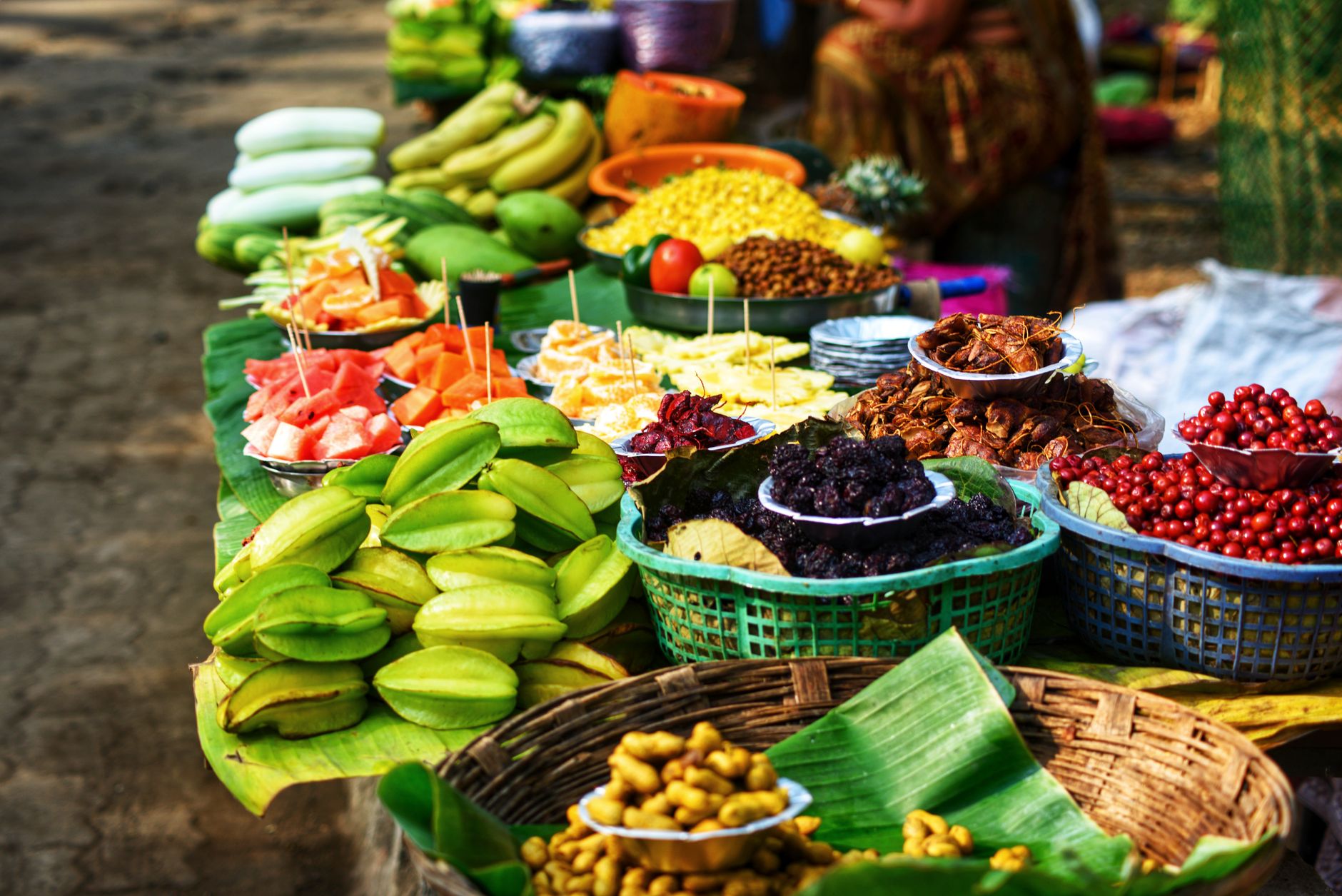
Your pancreas is a vital organ responsible for producing digestive enzymes and hormones, including insulin. A diet that supports pancreas health can enhance your well-being. Consuming the right foods can promote optimal function, reduce inflammation, and support overall digestive health.
In this article, we will explore various foods and nutritional strategies that are beneficial for the pancreas, including specific ingredients, meal ideas, and practical cooking techniques. Whether you’re looking for individual ingredients or building meal plans, this comprehensive guide will help you make informed choices.
What Is Good for the Pancreas?
Foods that are good for the pancreas generally include those that are low in fat, high in fiber, and rich in antioxidants. These foods can help reduce inflammation and promote healthy digestion, leading to better overall pancreatic function.
Key Nutrients for Pancreas Health
Before diving into specific foods, it’s important to understand the key nutrients that support pancreatic health. Here’s a breakdown of some essential nutrients to include in your diet:
- Fiber: Helps regulate blood sugar and promotes healthy digestion.
- Omega-3 Fatty Acids: Known for their anti-inflammatory properties, beneficial for reducing pancreatic inflammation.
- Antioxidants: Found in fruits and vegetables, they combat oxidative stress that can damage pancreatic cells.
- Vitamins and Minerals: Vitamins like C, E, and the B-vitamins are important for overall metabolic processes.
Benefits of Specific Foods for the Pancreas
Many specific foods can be particularly beneficial for pancreatic health. Here’s a detailed look at some of the best choices:
1. Fruits and Vegetables
Fruits and vegetables are packed with vitamins, minerals, antioxidants, and fiber. Eating a variety of them can provide numerous benefits for your pancreas.
- Leafy Greens: Spinach, kale, and Swiss chard provide vitamins and minerals that support pancreatic health.
- Berries: Blueberries, raspberries, and strawberries are high in antioxidants and fiber.
- Citrus Fruits: Oranges, lemons, and grapefruits offer vitamin C and other antioxidants that can reduce inflammation.
- Cruciferous Vegetables: Broccoli, cauliflower, and Brussels sprouts are known for their anti-cancer properties.
2. Whole Grains
Whole grains are an excellent source of fiber, which can help regulate blood sugar levels and improve digestion.
- Brown Rice: A nutritious alternative to white rice that holds more fiber and nutrients.
- Quinoa: A complete protein source that’s also gluten-free and high in fiber.
- Whole Wheat Bread: Choose bread made from 100% whole grains for a fiber boost.
- Oats: Steel-cut or rolled oats are excellent for a heart-healthy breakfast.
3. Healthy Fats
In moderation, healthy fats can help your body absorb essential vitamins and may promote better pancreatic function.
- Avocados: Rich in monounsaturated fats and fiber, avocados can help lower cholesterol levels.
- Nuts and Seeds: Almonds, walnuts, chia seeds, and flaxseeds are great sources of omega-3 fatty acids and fiber.
- Olive Oil: A good source of antioxidants and healthy fats; use it in moderation for cooking or salad dressings.
4. Lean Proteins
Choosing lean sources of protein can help minimize fat intake while still providing your body with important nutrients.
- Lean Chicken or Turkey: These provide protein with low saturated fat content.
- Fish: Fatty fish like salmon and mackerel are rich in omega-3 fatty acids.
- Legumes: Lentils, chickpeas, and beans are great sources of plant-based protein and fiber.
5. Spices and Herbs
Incorporating various spices and herbs into your cooking can enhance flavor while potentially supporting pancreatic health.
- Turmeric: Contains curcumin, which has anti-inflammatory properties.
- Ginger: Known for its digestive benefits, ginger can help manage nausea and promote digestion.
- Cinnamon: May help regulate blood sugar levels and has antioxidant properties.
Sample Meal Plan for Pancreatic Health
Creating a balanced meal plan is a practical way to ensure you’re incorporating pancreas-friendly foods into your diet. Below is a sample meal plan designed to maximize nutrient intake for pancreatic health:
Day 1
- Breakfast: Oatmeal topped with fresh berries and a drizzle of honey.
- Lunch: Quinoa salad with chickpeas, diced cucumber, and a lemon-olive oil dressing.
- Dinner: Baked salmon with steamed broccoli and sweet potatoes.
- Snack: A small handful of mixed nuts.
Day 2
- Breakfast: Smoothie with spinach, banana, chia seeds, and almond milk.
- Lunch: Whole grain wrap with grilled chicken, leafy greens, and avocado.
- Dinner: Stir-fried tofu with mixed vegetables and brown rice.
- Snack: Fresh cut veggies with hummus.
Cooking Techniques to Consider
How you prepare your food can also affect its health benefits. Here are some cooking techniques that are particularly beneficial for preserving the nutrients in your meals:
1. Steaming
Steaming vegetables helps retain their nutrients and natural flavors. Use a steamer basket over boiling water for minimal cooking time.
2. Baking
Baking is a healthier alternative to frying that retains the integrity of the ingredients and reduces added fats. Consider baking proteins like chicken or fish with herbs and spices.
3. Grilling
Grilling imparts a unique flavor while allowing excess fats to drip away. Use this technique for vegetables and lean proteins.
4. Sautéing
Sautéing with healthy oils like olive oil allows for quick cooking while preserving essential nutrients. Use medium heat to prevent burning.
5. Poaching
Poaching is a gentle cooking method that is ideal for delicate proteins like fish. Cook in simmering water or broth for a moist result without added fats.
Food Safety and Storage Tips
To maximize the benefits of your pancreas-friendly foods, it’s essential to handle and store them properly. Here are some practical tips:
- Store fruits and vegetables: Keep them in the refrigerator or a cool, dry place to prevent spoilage.
- Cook proteins thoroughly: Use a food thermometer to ensure that chicken reaches an internal temperature of at least 165°F (74°C) and fish reaches 145°F (63°C).
- Practice good hygiene: Wash your hands, surfaces, and ingredients thoroughly to prevent cross-contamination.
- Use leftovers wisely: Store them in airtight containers and consume within 3-4 days to ensure freshness.
Common Mistakes to Avoid
When choosing foods for pancreas health, it’s easy to make some common errors. Here’s what to watch out for:
- Overconsumption of processed foods: These often contain unhealthy fats and sugars that can negatively impact pancreatic function.
- Neglecting hydration: Staying hydrated is crucial for digestion; aim for at least 8 glasses of water daily.
- Ignoring portion control: Even healthy foods can lead to weight gain if eaten in excess. Be mindful of portion sizes.
Making Adjustments for Personal Preferences
While this guide provides a solid foundation, individual dietary needs and preferences may vary. Here are some practical adjustments to consider:
For Vegetarian or Vegan Diets
Incorporate more plant-based proteins like lentils, beans, and tofu. Include a variety of fruits, vegetables, and whole grains to ensure balanced nutrition.
For Gluten-Free Diets
Opt for gluten-free grains like quinoa, brown rice, and corn-based products. Always check labels for hidden gluten in packaged foods.
For Low-Carb Diets
Focus on non-starchy vegetables and healthy fats while incorporating lean proteins. Use cauliflower rice as an alternative to grains and legumes.
Conclusion
Maintaining a healthy pancreas is achievable through a balanced diet rich in fruits, vegetables, whole grains, healthy fats, and lean proteins. By incorporating these foods and cooking techniques, you can support pancreatic function while enjoying a variety of delicious meals.
For more healthful food options, consider exploring the benefits of chia seeds in this article about benefits of chia seeds or try a tasty chia pudding recipe with coconut milk to add to your meals.