
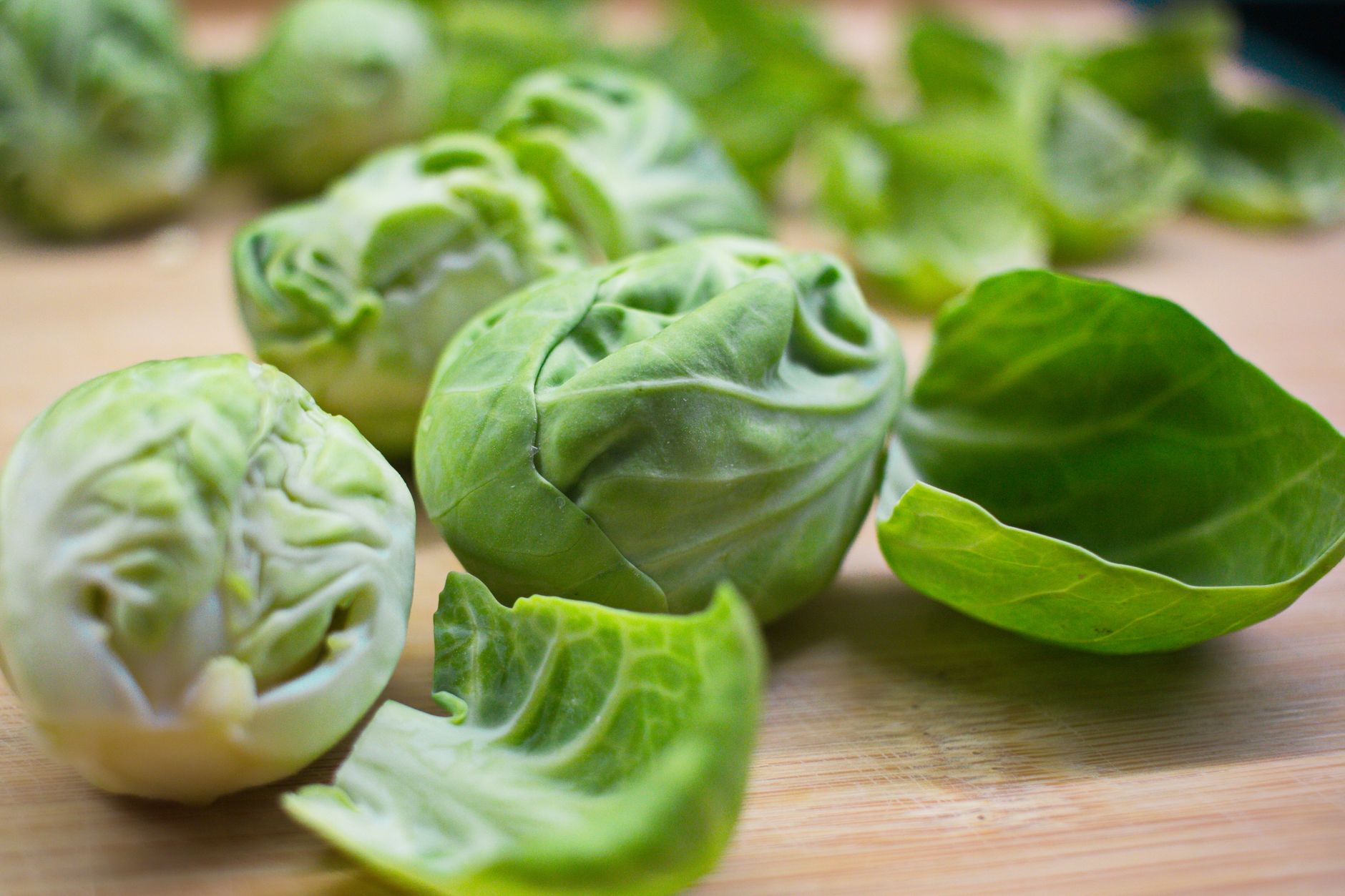
Brussels sprouts are small, cabbagy buds that are often overlooked in the produce aisle. These compact green vegetables are rich in nutrients and can add both flavor and substance to numerous dishes. With the right preparation and cooking techniques, Brussels sprouts can transform from bitter to sweet, providing a delightful addition to any meal.
In this comprehensive guide, we’ll explore the taste, texture, nutritional benefits, and various kitchen uses of Brussels sprouts. Whether you’re looking to incorporate them into your regular meal plan or fancy a new side dish, understanding this vegetable will elevate your cooking.
What Are Brussels Sprouts?
Brussels sprouts are members of the Brassica family, which includes cabbage, kale, and broccoli. They grow on long stalks and can be found year-round; however, they are typically harvested in the colder months when they reach their peak flavor. These mini cabbages can be green or purple, with the most common variety being the green ones. They are named after Brussels, the capital city of Belgium, where the vegetable was cultivated in the 18th century.
Taste Profile of Brussels Sprouts
The taste of Brussels sprouts can be described as a cross between cabbage and broccoli, with a slightly nutty flavor when cooked properly. When raw, they can be quite bitter and crunchy. However, the bitterness tends to mellow out when cooked, revealing a distinct sweetness, especially when roasted or sautéed.
Texture of Brussels Sprouts
Raw Brussels sprouts are firm with a tightly packed leaf structure. When cooked, they can range from crisp-tender to soft, depending on your preferred cooking method. Roasting tends to create a crispy outer layer with a tender inside, while boiling may result in a softer, more mushy texture if not timed correctly.
Nutritional Benefits of Brussels Sprouts
Brussels sprouts are not only flavorful but also packed with nutritional benefits. They are an excellent source of vitamins C, K, and A, as well as folate, fiber, and many antioxidants. These nutrients contribute to various health benefits, including improved digestion, immune function, and a reduced risk of chronic diseases.
Choosing and Storing Brussels Sprouts
When purchasing Brussels sprouts, look for firm, bright green heads without yellowing or blemishes. The smaller sprouts tend to be sweeter and more tender than larger ones. Store fresh Brussels sprouts in the refrigerator in a ventilated plastic bag. They can last up to a week this way, but it’s best to consume them when they are freshest for optimal flavor.
Preparing Brussels Sprouts
Before cooking Brussels sprouts, it’s essential to clean and prepare them properly. Here are the steps to prepare Brussels sprouts:
- Rinse the Brussels sprouts under cold water to remove any dirt or debris.
- Trim the base of each sprout to remove any tough or discolored parts, being careful not to cut too much off.
- Remove any yellow or damaged outer leaves.
- If the sprouts are large, you may want to halve or quarter them for more even cooking.
Cooking Techniques for Brussels Sprouts
Brussels sprouts can be prepared using various cooking methods, each bringing out different aspects of their flavor and texture. Here are some popular techniques:
1. Roasting
Roasting Brussels sprouts caramelizes their natural sugars, resulting in a sweet, crispy exterior while keeping the interior tender. To roast Brussels sprouts:
- Preheat your oven to 400°F (200°C).
- Toss trimmed Brussels sprouts with olive oil, salt, and pepper. For added flavor, consider including garlic or balsamic vinegar.
- Spread the Brussels sprouts out on a baking sheet, ensuring they are in a single layer.
- Roast for 20-25 minutes, shaking the pan halfway through to ensure even cooking.
- Remove when they are nicely browned and tender. A crispy outer layer indicates they are done.
2. Sautéing
Sautéing Brussels sprouts retains some of their crunch while adding depth of flavor. Here’s how to sauté them:
- Heat a large skillet over medium heat and add butter or olive oil.
- Add the prepared Brussels sprouts to the skillet, cut side down, and allow them to cook undisturbed for 5-7 minutes.
- Stir occasionally until they are browned and tender.
- For added flavor, you can include onions, garlic, or even bacon towards the end of the cooking process.
3. Steaming
Steaming Brussels sprouts helps preserve their nutrients while providing a tender, yet firm texture. Here’s how to steam them:
- Fill a pot with an inch of water and place a steamer basket inside.
- Bring the water to a boil, then add the cleaned Brussels sprouts to the basket.
- Cover the pot and steam for 5-7 minutes, or until the sprouts are bright green and tender.
- Remove from heat and season with salt, pepper, or a squeeze of lemon juice.
4. Boiling
While boiling is the least recommended method as it can lead to mushy Brussels sprouts, it can work if timed correctly. Here’s how:
- Fill a pot with salted water and bring it to a rolling boil.
- Add prepared Brussels sprouts and cook for 4-5 minutes.
- Drain and immediately plunge them into an ice bath to stop the cooking process.
- Season before serving.
Flavor Pairings and Seasoning
Brussels sprouts can be paired with a variety of flavors, allowing for versatility in your meals. Here are some popular pairings:
- Sweet: Maple syrup, honey, or balsamic glaze enhance the natural sweetness.
- Savory: Garlic, onions, and shallots complement their earthy flavors.
- Bacon or Pancetta: The salty goodness of pork adds richness and depth.
- Nuts: Toasted almonds, walnuts, or pecans add crunch and sophistication.
- Cheese: Feta, Parmesan, or goat cheese lend a creamy, tangy contrast.
Serving Suggestions
Brussels sprouts can be served in countless ways. Here are a few ideas:
- As a side dish to complement roasted meats or fish.
- In salads with mixed greens, nuts, and a vinaigrette.
- In pasta dishes, combined with garlic, olive oil, and cheese.
- As part of a vegetable medley alongside carrots, potatoes, and other vegetables.
- In grain bowls with quinoa or rice, topped with a protein like chicken or tofu.
Common Mistakes When Cooking Brussels Sprouts
To ensure you achieve perfectly cooked Brussels sprouts, here are some common mistakes to avoid:
- Overcooking: Brussels sprouts can become mushy, so avoid cooking them for too long, especially when boiling.
- Not trimming properly: Always remove any yellowing leaves and cut the base for even cooking.
- Skipping seasoning: Even simple seasonings like salt and pepper can enhance the flavors significantly.
- Not utilizing high heat: When roasting, ensure your oven is preheated to achieve that wonderful caramelization.
Storing and Reheating Brussels Sprouts
To extend the shelf life of cooked Brussels sprouts, store any leftovers in an airtight container in the refrigerator. They can last for about 3-4 days. When reheating, the best method is to use a skillet over medium heat, adding a little fat to help regain their crispiness.
If you want to store raw Brussels sprouts, keep them in their original packaging or a ventilated bag in the refrigerator. They can last for up to a week when stored properly.
Substituting Brussels Sprouts in Recipes
If you don’t have Brussels sprouts on hand or prefer an alternative, consider these options that can work well in similar dishes:
- Broccoli: Offers a similar texture and can be steamed or roasted just like Brussels sprouts.
- Green Beans: When cut into smaller pieces, green beans can provide a crispiness that works in salad or stir-fry.
- Cabbage: While denser, cabbage can be sautéed or roasted to achieve a soft texture.
- Kale: For a leafy green alternative, kale can be added to salads or cooked down similarly to Brussels sprouts.
Final Thoughts
Brussels sprouts are a versatile, nutritious vegetable that can enhance various dishes with their unique taste and texture. By mastering different cooking techniques and flavor combinations, you can incorporate Brussels sprouts into your regular meal rotation. Whether roasted, sautéed, or steamed, these tiny cabbages are bound to make an impression.
Next time you’re at the grocery store or farmer’s market, don’t overlook Brussels sprouts. They may just become a favorite staple in your kitchen. For a fresh take on this vegetable, check out our recipe for shaved Brussels sprouts here. If you’re also interested in other vegetable dishes, consider trying our sautéed cabbage recipe here.