
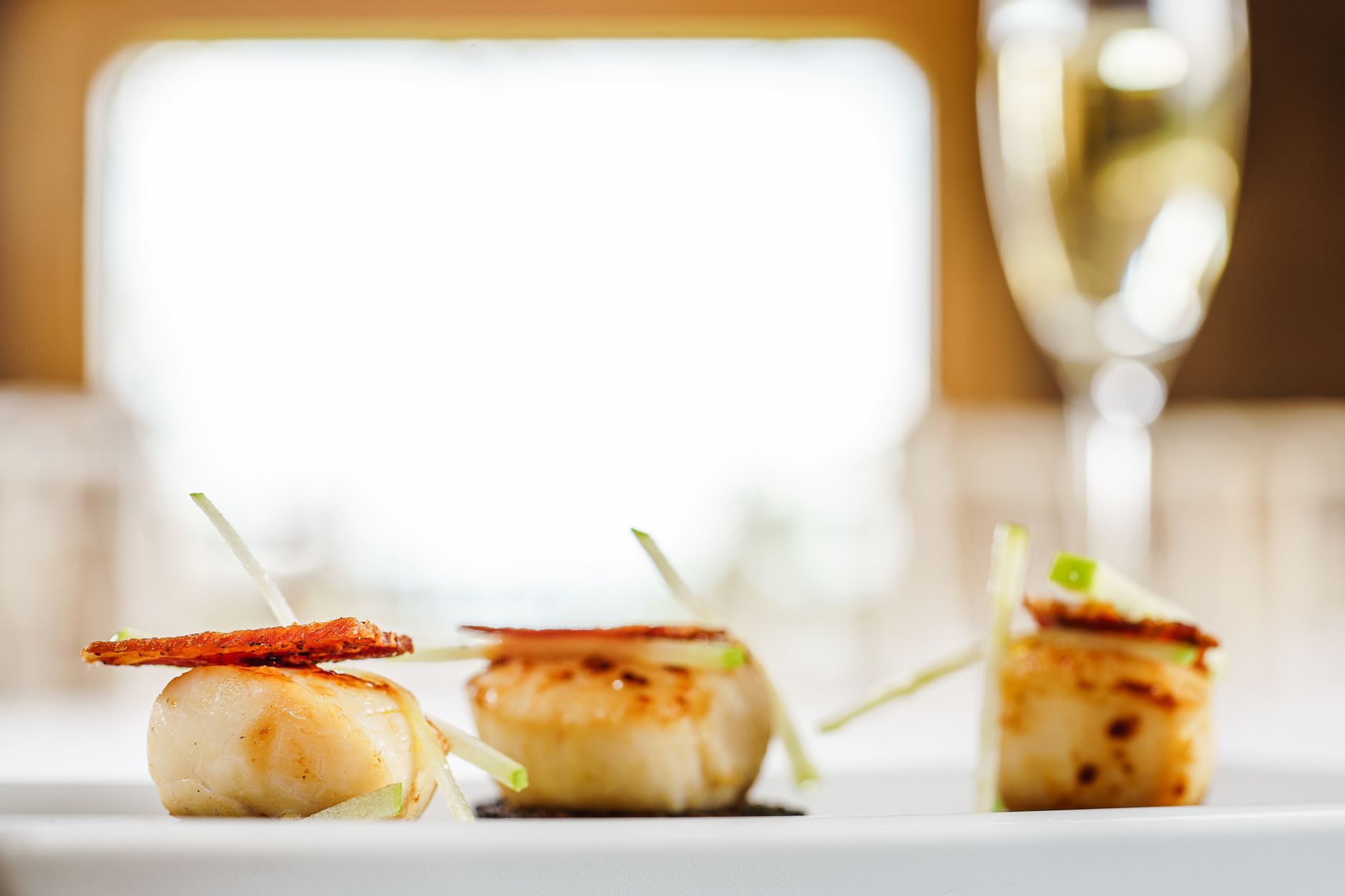
Bay scallops are small, sweet shellfish that inhabit shallow coastal waters, primarily along the Atlantic coast of the United States. Their size, typically ranging from one to three inches in diameter, makes them easier to handle and cook than larger scallops. The delicate flavor and tender texture of bay scallops make them a favorite ingredient in various culinary applications.
Whether you’re looking to incorporate them into a hearty meal or try them as a luxurious appetizer, understanding what bay scallops are, how to prepare them, and their culinary uses can greatly enhance your cooking experience.
What Are Bay Scallops?
Bay scallops (Argopecten irradians) are bivalve mollusks found in estuaries and bays, primarily off the coasts of New England, the Mid-Atlantic, and the southeastern United States. They thrive in shallow waters, often mixed with sea grass and sand. Bay scallops are harvested commercially and recreationally, typically during the fall months when they are most plentiful.
Characteristics of Bay Scallops
Bay scallops are characterized by their small, fan-shaped shells, which are usually marked with radiating ridges. Their meat is tender and has a mild, sweet flavor, slightly briny due to their natural habitat. The color of the scallop meat can vary from translucent white to pale pink, and they are often sold fresh, frozen, or canned.
Ingredients, Taste, and Nutritional Profile
Ingredients
The primary ingredient in dishes featuring bay scallops is, of course, the scallops themselves. They can be paired with a variety of complementary ingredients to enhance their flavor:
- Garlic: Adds depth and aroma.
- Lemon: Provides acidity and brightness.
- Butter: Offers richness and texture.
- Herbs: Fresh parsley, basil, or cilantro work well for flavor and garnish.
- Vegetables: Ingredients like asparagus, bell peppers, and zucchini complement scallops well.
- White wine: Can be used for deglazing or creating a sauce.
- Risotto or pasta: These serve as excellent bases for scallop dishes.
Taste and Texture
Bay scallops are known for their sweet and delicate flavor, offering a taste of the ocean without being overwhelmingly salty. The texture is tender and slightly creamy, making them versatile for various cooking methods, including sautéing, grilling, and baking.
Nutritional Profile
Bay scallops are not only delicious but also nutritious. They are a good source of protein, low in fat, and rich in vitamins and minerals. A 3-ounce serving of bay scallops generally contains:
- Calories: 80-90
- Protein: 15-20 grams
- Fat: 1-2 grams
- Omega-3 fatty acids: Beneficial for heart health
- Vitamins: B12, B6, and niacin
- Minerals: Zinc, phosphorus, and selenium
Culinary Uses of Bay Scallops
Bay scallops can be used in a variety of dishes, showcasing their versatility in the kitchen. Here are some popular culinary applications:
Appetizers
Bay scallops make excellent starters due to their small size and elegant presentation. Some popular appetizer ideas include:
- Sautéed scallops with garlic butter and fresh herbs
- Ceviche made with bay scallops, lime juice, and diced vegetables
- Scallop skewers grilled with vegetables
Main Dishes
When it comes to main courses, bay scallops can shine in an array of preparations:
- Scallop risotto: Creamy risotto paired with sautéed bay scallops for a hearty dish.
- Pasta primavera: Toss bay scallops with fresh vegetables and pasta in a light sauce.
- Seafood chowder: Bay scallops in a creamy soup with potatoes and other seafood.
Salads
Incorporating bay scallops into salads can elevate your meal. Consider these ideas:
- Mixed greens topped with sautéed bay scallops, citrus segments, and a vinaigrette.
- Grilled scallops on a bed of quinoa and roasted vegetables.
Cooking Techniques
There are several cooking methods suitable for bay scallops:
Sautéing
Sautéing is one of the most popular techniques for cooking bay scallops, allowing for a quick and flavorful result. Use a pan over medium-high heat, add a small amount of oil or butter, and cook the scallops for about 1 to 2 minutes on each side until they turn golden brown. Avoid overcrowding the pan to ensure even cooking.
Grilling
Grilling bay scallops on skewers brings out their sweet flavor. Preheat the grill and lightly oil the grates. Thread the scallops onto skewers along with vegetables and grill for about 2 to 3 minutes per side. Baste with a marinade or sauce for added flavor.
Baking
Baked scallops make for an easy, hands-off method. Preheat the oven to 350°F (175°C), place the scallops in a baking dish, and season them. Top with butter and breadcrumbs if desired. Bake for about 12 to 15 minutes until the scallops are opaque and firm to the touch.
Poaching
Poaching bay scallops is a gentle cooking method that helps retain their delicate texture. Simmer them in a flavored broth or water with aromatic herbs for about 3 to 5 minutes until cooked through.
Choosing and Storing Bay Scallops
Choosing Fresh Bay Scallops
When purchasing bay scallops, freshness is key. Here are some tips for selecting high-quality scallops:
- Look for scallops with a mild ocean scent. Strong or fishy odors can indicate spoilage.
- The meat should be translucent and glistening, without any discolorations.
- If buying frozen scallops, ensure they are individually quick-frozen (IQF) to maintain quality when thawed.
Storing Bay Scallops
Proper storage is essential to maintain the freshness of bay scallops:
- Fresh bay scallops should be kept in the coldest part of your refrigerator and should be used within 1 to 2 days after purchase.
- If you need to freeze bay scallops, place them in an airtight container or vacuum-seal them to prevent freezer burn. They can be frozen for up to three months.
Common Mistakes and Troubleshooting
Cooking bay scallops can be straightforward, but common mistakes can lead to less than desirable outcomes:
Overcooking
Bay scallops cook quickly—overcooking can result in a rubbery texture. To prevent this, watch them closely and remove them from heat as soon as they turn opaque and firm up.
Improper Searing
Make sure the pan is hot enough to get a good sear. A non-stick skillet or a well-seasoned cast-iron pan works best for this. If the scallops stick to the pan, they may not develop a nice crust.
Insufficient Seasoning
Bay scallops are delicate but benefit from proper seasoning. A sprinkle of salt and pepper before cooking can enhance their flavor significantly.
Serving Suggestions
Bay scallops can be served in numerous ways to appeal to different tastes and occasions:
- Serve them as part of a seafood platter with cocktail sauce and lemon wedges for a casual gathering.
- Dress them up with a mustard or buttery sauce for a more formal dinner setting.
Make-Ahead Suggestions
While scallops are best when cooked fresh, there are ways to prep in advance:
- Prepare sauces or marinades in advance to save time during meal prep.
- Clean and chop any accompanying vegetables ahead of time for easy assembly.
If you have leftover cooked bay scallops, they can be stored in an airtight container in the refrigerator for one to two days. Reheat gently on low heat to avoid overcooking.
Final Thoughts
Bay scallops are a delightful addition to any seafood lover’s kitchen, offering versatility, flavor, and the chance to create dishes that impress. With their tender texture and sweet, oceanic profile, they can elevate a variety of preparations from appetizers to elegant main courses.
Consider exploring related recipes, such as a bay scallops recipe or a delicious shrimp scampi recipe without wine to take advantage of these delectable shellfish. Revisit your cooking techniques, and enjoy the culinary possibilities that bay scallops bring to your table.