
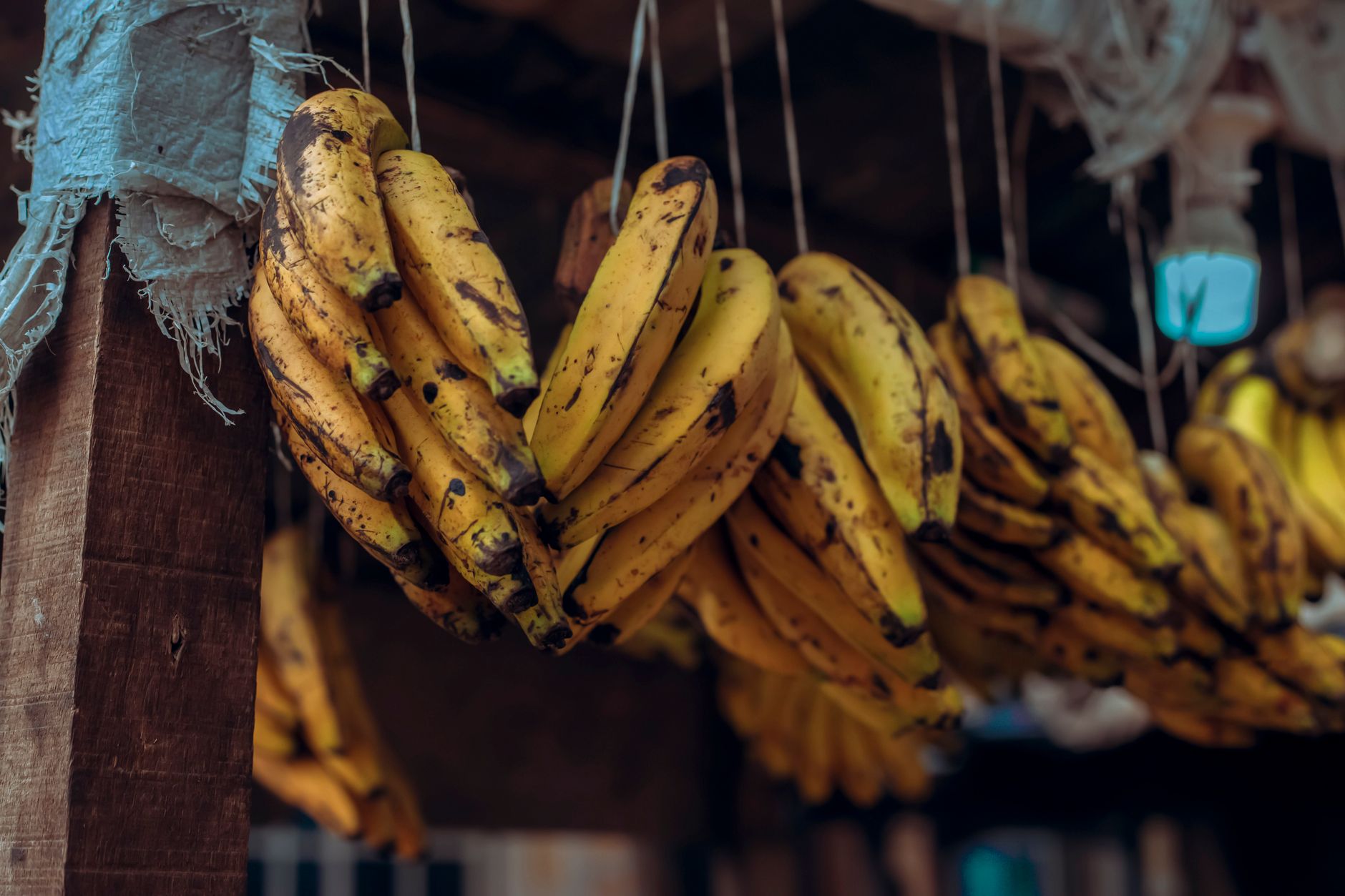
While they may be a staple in many households, the classification of bananas often prompts curiosity. Are they fruits, vegetables, or something in-between? Understanding what bananas are classified as can enhance our appreciation for this popular food. Moreover, it provides insight into their unique characteristics and culinary uses.
This article delves into what bananas are classified as, exploring their botanical category, nutritional profiles, culinary applications, and more.
What Are Bananas Classified As?
Bananas are classified as berries, specifically a type of fruit that grows on large herbaceous plants. Unlike traditional fruits that develop from the flowering part of a plant, bananas are botanically unique, making them a fascinating subject for both cooks and scientists alike.
Botanical Classification of Bananas
In botanical terms, bananas belong to the genus Musa. The classification of bananas as berries stems from the way they develop. Each banana grows from a flower that contains a single ovary, which is characteristic of berry formation. This classification may come as a surprise to many, as bananas are typically thought of as tropical fruits or a standard part of breakfast.
Growth and Development
Bananas thrive in warm climates and often grow in clusters. The banana plant is often mistaken for a tree due to its size, but it’s actually a giant herb. The plant’s structure consists of a pseudostem built from tightly packed leaf bases. After producing fruit, the mother plant dies, but new shoots emerge to continue the cycle.
Nutritional Profile of Bananas
Bananas offer a wide range of nutritional benefits and are popular among health-conscious individuals. They are primarily composed of carbohydrates, mainly in the form of sugars, which provide a quick energy boost.
- Calories: Approximately 89 calories per 100 grams
- Carbohydrates: About 23 grams
- Fiber: Roughly 2.6 grams
- Proteins: 1.1 grams
- Vitamins: Rich in Vitamin C, Vitamin B6, and potassium
- Minerals: Contains traces of magnesium, manganese, and folate
Bananas are particularly noted for their high potassium content. This mineral is essential for maintaining healthy blood pressure and proper muscle function.
Culinary Uses of Bananas
Bananas are incredibly versatile in the kitchen. Their natural sweetness and soft texture lend themselves to a variety of dishes, from smoothies to baked goods. Here are some common culinary applications:
Snacking
Bananas can be eaten raw, making them a convenient on-the-go snack. Their natural sugars can satisfy sweet cravings while providing essential nutrients.
Baking
Mashed bananas are often used to add moisture and flavor to baked goods. Classic recipes include:
- Banana bread
- Banana muffins
- Banana pancakes
In baking, bananas can sometimes replace sugars or fats, making recipes healthier. They help retain moisture and add natural sweetness, reducing the need for added sweeteners.
Cooking
Bananas are not just for sweets; they can also be used in savory dishes. For instance, plantains, which are a type of cooking banana, are popular in savory Caribbean and African cuisines. They can be fried, baked, or boiled to create a starchy side dish.
Smoothies and Shakes
Bananas serve as an excellent base in smoothies, lending creaminess without the need for added dairy. They pair well with ingredients like spinach, yogurt, and nut butter, creating a nutritious drink for breakfast or a post-workout treat.
Frozen Treats
Frozen bananas are a delicious and healthy alternative to ice cream. Simply slice and freeze ripe bananas for a quick treat, or blend them into a creamy banana ice cream. This method conveys the sweetness of bananas while keeping added sugars at bay.
Substituting Bananas in Recipes
When cooking or baking, bananas can sometimes be used as a substitute for other ingredients. Here are various substitutions and their effects:
- Mashed Bananas for Sugar: Use 1/2 cup of mashed bananas for every cup of sugar. This swap adds moisture but may alter the texture slightly.
- Mashed Bananas for Butter or Oil: Replace each cup of butter or oil with 1/2 to 3/4 cup mashed bananas. This reduction can make baked goods denser and moist.
- Chia Seeds or Flaxseeds for Egg: 1/4 cup of mashed banana can serve as a binding agent similar to one egg.
While these substitutions can work well, the final product may taste slightly different and vary in texture. Adjusting baking times may also be necessary.
Common Mistakes and How to Avoid Them
When cooking or baking with bananas, certain pitfalls can lead to less-than-ideal outcomes. Here are some common mistakes to avoid:
- Using Unripe Bananas: Unripe bananas are starchy and lack sweetness. Always choose ripe bananas for baking or recipes requiring firm bananas.
- Overripe Bananas: While overripe bananas are perfect for baking, they should be discarded if they have mold or significant discoloration.
- Not Mashing Enough: For recipes like banana bread, ensure bananas are thoroughly mashed to avoid uneven banana distribution.
Storage Tips for Bananas
Proper storage will increase the longevity and quality of bananas. Follow these tips for optimal banana storage:
- Store bananas at room temperature until they ripen fully. If you wish to slow down ripening, place them in the refrigerator after they reach your desired ripeness. The skin may darken, but the fruit inside will remain fresh.
- For overripe bananas, peel and freeze them for later use in smoothies or baking.
- To prevent bananas from browning when included in fruit salads, toss them with lemon juice to keep them fresh.
Bananas in Different Cuisines
Bananas are prevalent in various cuisines, each utilizing the fruit in unique ways. Here are a few examples:
Caribbean Cuisine
In the Caribbean, plantains are a staple, often served alongside savory dishes. Fried plantains, or “tostones,” are particularly popular.
South Asian Cuisine
In India, bananas are frequently used in desserts like “banana halwa” or in savory dishes where they may be cooked in coconut gravy.
African Cuisine
In many African countries, starchy bananas and plantains are used as staple foods, often boiled or fried and served as side dishes. The structure and flavor of the bananas also lend themselves well to hearty stews.
Conclusion
Bananas are classified as berries, part of a unique botanical family that plays multiple roles in our diets. Their versatility makes them a must-have in various meals, from breakfast to dessert. Understanding this fruit’s classification enriches our culinary experience, helping us maximize its use in the kitchen.
Explore more about the fascinating world of bananas by checking out our articles on banana benefits at what is a banana and their fiber content at how much fiber in banana.