
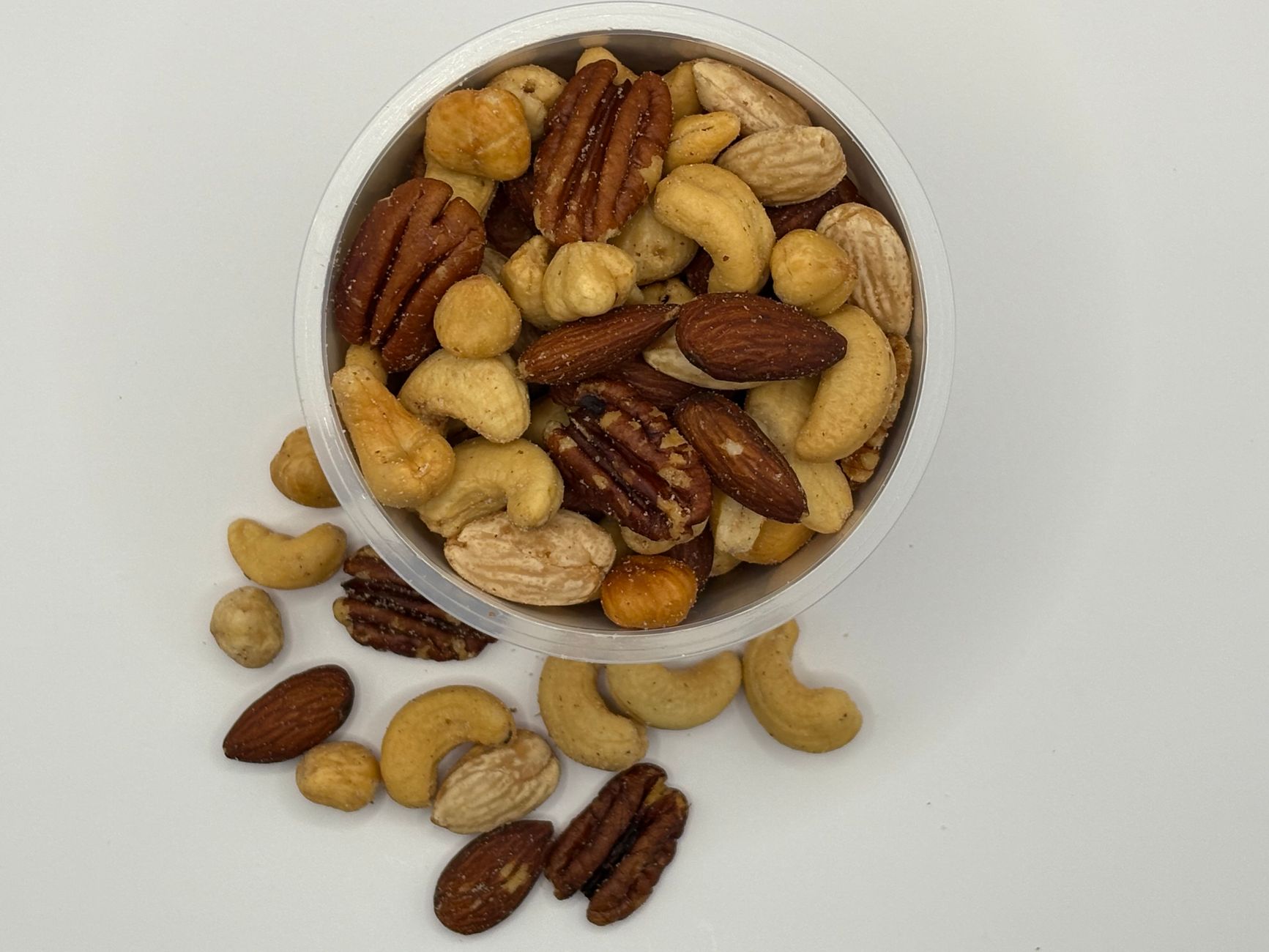
Nuts are often praised for their health benefits, but they are also notorious for their high calorie content. Understanding why nuts are calorically dense can help you incorporate them into your diet effectively. This article explores the reasons behind their calorie counts, serving sizes, and how to enjoy them without overdoing it.
Nuts are energy-packed foods that provide healthy fats, protein, and essential nutrients. Despite their small size, they can significantly contribute to your daily caloric intake. Here, we’ll break down the reasons for their high caloric content and provide guidance on appropriate serving sizes.
Why Are Nuts So High in Calories?
The primary reason nuts are high in calories lies in their fat content. Nuts contain natural fats, which are more calorie-dense than carbohydrates and proteins. For every gram of fat, there are approximately nine calories, while carbohydrates and proteins contain only four calories per gram. This makes nuts a concentrated source of energy.
To further understand the calorie content of nuts, it’s important to look at the nutritional composition of various types of nuts, how they are processed, and their impact on overall caloric density.
Understanding Nut Composition
Nuts are not just made up of fat; they also contain protein, fiber, and other essential nutrients. Here’s a breakdown of what makes nuts so nutritionally unique:
- Healthy Fats: Nuts primarily consist of monounsaturated and polyunsaturated fats, which are beneficial for heart health.
- Protein: Nuts offer a good source of plant-based protein, making them a popular choice for vegetarians and vegans.
- Fiber: Nuts contain dietary fiber, which helps in digestion and may contribute to a feeling of fullness.
- Vitamins and Minerals: Many nuts are rich in vitamins E and B, magnesium, potassium, and healthy antioxidants.
Caloric Breakdown by Common Nuts
Here’s a summary of the caloric content of commonly consumed nuts, based on a standard serving size of 1 ounce (about 28 grams):
| Type of Nut | Calories |
|---|---|
| Almonds | 164 |
| Walnuts | 185 |
| Pistachios | 159 |
| Cashews | 157 |
| Pecans | 196 |
| Hazelnuts | 178 |
Simply put, nuts are energy-dense foods due to their fat content, which explains why they are high in calories. But how can you manage portion sizes effectively?
Serving Size: Finding the Right Balance
While nuts are high in calories, they can be part of a healthy diet if consumed in moderation. The recommended serving size for nuts typically ranges from 1 ounce to 1.5 ounces. This amount provides a good balance between enjoying the health benefits of nuts without significantly increasing your caloric intake.
To help you visualize what a serving size looks like, here is what 1 ounce of various nuts may look like:
- Approximately 23 almonds
- About 14 halves of walnuts
- Around 49 pistachios
- Approximately 18 cashews
- About 19 pecan halves
- About 21 hazelnuts
Measuring nuts visually can be tricky, especially for those snacking directly from a bag. Using a small cup or a kitchen scale can help you maintain portion control.
How to Include Nuts in Your Diet
Nuts can offer a variety of culinary uses. Their versatility can make it easier to incorporate them into your meals. Here are some ways to enjoy nuts while being mindful of their calories:
1. Snacks
A handful of nuts makes for a great snack. Opt for raw or unsalted varieties to avoid added sodium and calories. Pairing them with fresh fruit can provide additional nutrients while still being satisfying.
2. Salads
Add a small amount of chopped nuts to salads for added crunch and flavor. Using nuts as a topping amplifies the salad’s texture without overwhelming the dish with calories.
3. Baking and Cooking
Nuts can be used to enhance baked goods or savory dishes. You can mix chopped nuts into bread, muffins, or cookies or use them as a crust for fish or chicken.
4. Nut Butters
Nut butters, like almond or peanut butter, can be used as spreads or dip options. Just remember that they are also calorie-dense, with about 90-100 calories per tablespoon, so measure wisely.
5. Trail Mix
Create a homemade trail mix using nuts, seeds, and dried fruits. This combination provides energy for outdoor activities, but portion control remains crucial.
Common Mistakes with Nuts
When including nuts in your diet, here are some common pitfalls to avoid:
- Overeating: Nuts can be easy to overindulge in due to their small size. Use measuring tools to keep portions in check.
- Skipping Variety: Eating a wide range of nuts helps you enjoy different nutrients and health benefits. Don’t stick to just one or two types.
- Choosing the Wrong Varieties: Opt for raw or dry-roasted nuts rather than honey-roasted or heavily salted options to minimize added sugars and sodium.
Health Benefits of Nuts Despite High Calories
Despite their high calorie content, nuts have numerous health benefits:
- Heart Health: The healthy fats found in nuts can help lower bad cholesterol levels and reduce the risk of heart disease.
- Weight Management: Including nuts can aid in weight maintenance due to their satiating nature, which may curb overall calorie intake.
- Antioxidant Properties: The antioxidants in nuts can contribute to various health benefits, including reducing oxidative stress.
- Blood Sugar Control: Nuts may improve glycemic control and reduce the risk of type 2 diabetes.
Storage Tips for Maximizing Freshness
Storing nuts properly can prolong their shelf life and keep them fresh. Here are some tips:
- Keep them cool: Store nuts in a cool, dry place. Refrigeration is ideal for extended storage.
- Airtight Containers: Use airtight containers to minimize exposure to air, which can lead to rancidity.
- Check for Freshness: Regularly inspect stored nuts for any signs of mold or dry spots, which can indicate spoilage.
Conclusion
Nuts are a dense source of calories primarily due to their healthy fat content. They can be a valuable addition to your diet, provided you keep portion sizes in check. By understanding their composition and exploring various ways to include them in your meals, you can enjoy their nutritional benefits without excess caloric intake. Monitor your servings and savor each nut to maintain a balanced diet.
For even more delicious ways to use nuts in cooking, check out our featured recipes, such as candied walnuts, or make your own healthy snack with our protein granola recipe.