
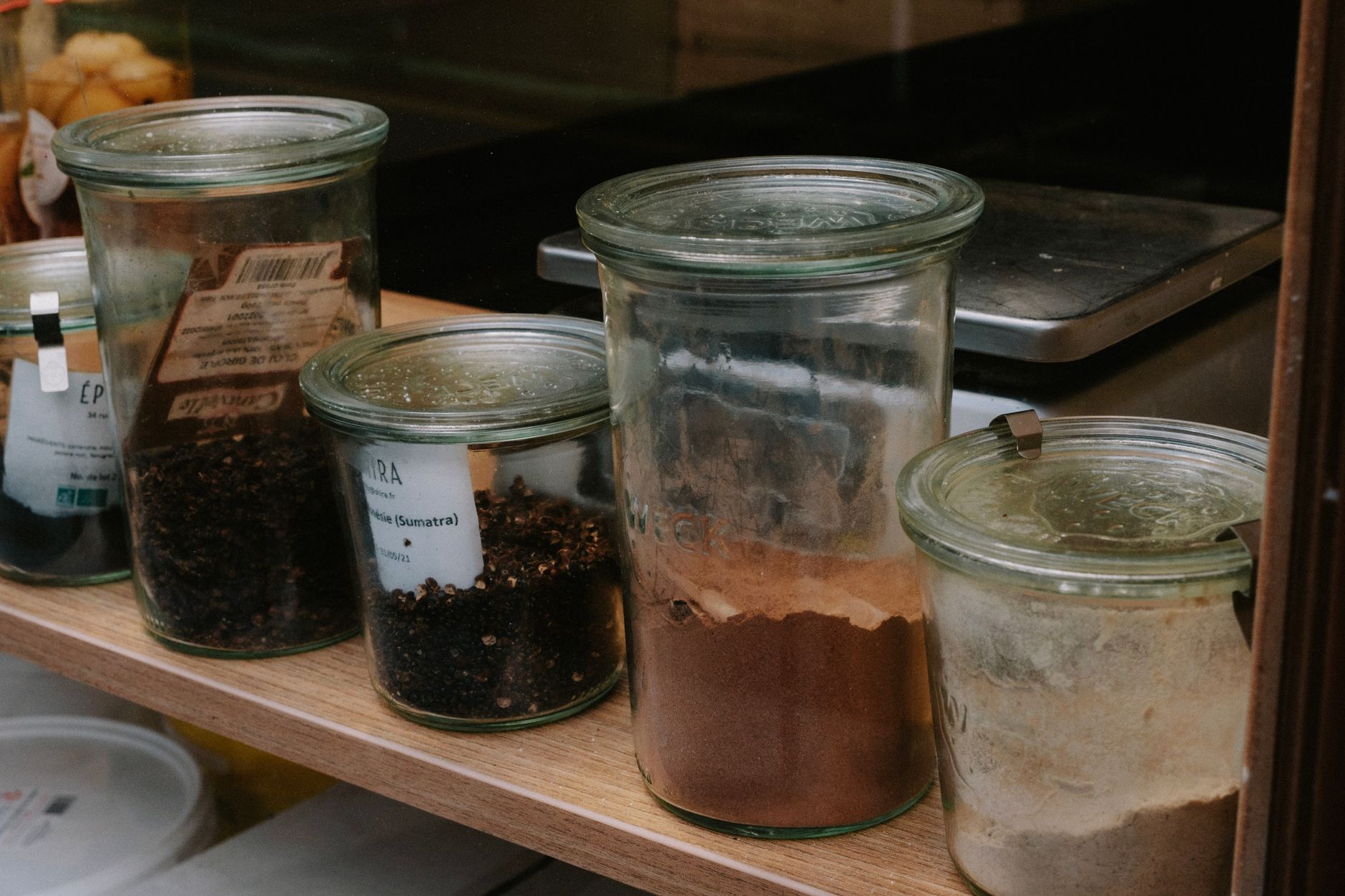
Additives are substances added to food products to enhance flavor, preserve freshness, improve texture, or alter color. Understanding what these additives are and their roles can help consumers make informed choices about what they eat and how they prepare meals.
This article will explore the various types of food additives, their ingredients, flavor profiles, and how to incorporate them into cooking effectively, providing a comprehensive guide for both seasoned cooks and beginners alike.
What Are Additives?
Food additives are ingredients not typically consumed as food themselves, but added to enhance the final product’s qualities. This can include improving taste, extending shelf life, maintaining consistency, or adding nutritional value. Understanding food additives can empower consumers to choose products that meet their dietary preferences and needs.
Types of Food Additives
Food additives can be categorized broadly into several key groups based on their functions:
- Preservatives: These additives prevent spoilage, prolong shelf life, and inhibit the growth of harmful bacteria. Common examples include sodium benzoate and potassium sorbate.
- Flavor enhancers: Used to intensify the flavor of food, monosodium glutamate (MSG) is a well-known example of this type.
- Coloring agents: These additives enhance or alter the color of food items, often making them more appealing. Examples include beet powder and synthetic dyes.
- Thickeners and stabilizers: Ingredients such as xanthan gum and agar help maintain texture and consistency in products like sauces and dressings.
- Emulsifiers: Used to blend ingredients that usually don’t mix well, such as oil and water, lecithin is a common emulsifier found in many processed foods.
- Nutritional additives: These are added to enhance the nutritional profile of foods, including vitamins and minerals like calcium carbonate and folic acid.
Common Ingredients Used as Additives
Here’s a closer look at some popular ingredients used as additives in the food industry:
Preservatives
Preservatives play a vital role in keeping food items safe and extending their shelf lives. They can be natural, such as salt, vinegar, or sugar, or synthetic. For example, sodium nitrite is often used in cured meats.
Flavor Enhancers
Monosodium glutamate (MSG) is one of the most common flavor enhancers and is often added to savory foods. Natural sources of umami flavor include mushrooms and tomatoes, which can also be used to enhance dishes without synthetic additives.
Coloring Agents
Coloring agents can be natural, such as turmeric, which provides a yellow color, or artificial. While natural colors are preferred for health reasons, artificial colors are often used in processed foods because they are more stable and vibrant.
Thickeners and Stabilizers
Thickeners like cornstarch or arrowroot are common in sauces and gravies, while stabilizers ensure a consistent product texture in items like yogurt and ice cream.
Emulsifiers
Lecithin, derived from soy or eggs, helps combine ingredients for a uniform texture in products like mayonnaise or salad dressings, preventing separation.
Nutritional Additives
Adding vitamins and minerals, such as vitamin D and iron, to food products can help improve overall dietary health, particularly in processed foods.
Flavor Profiles of Additives
Understanding the flavor contributions of additives can influence their use in cooking and meal preparation:
- Sweeteners: Natural ones like honey or agave syrup provide sweetness, while artificial sweeteners can offer sweetness without calories.
- Sour agents: Ingredients like citric acid add tartness, enhancing flavor complexity in sauces and drinks.
- Salty elements: Beyond enhancing flavor, salt also acts as a preservative, influencing both taste and safety.
- Umami compounds: Ingredients like soy sauce or miso provide depth of flavor and a savory profile, common in Asian cuisines.
How to Serve Additives in Cooking
Implementing additives in cooking enhances flavor and texture when done thoughtfully. Here’s a guide to serving additives in various contexts:
In Sauces and Dressings
- Start with a base: Depending on the desired flavor, use stock, vinegar, or yogurt.
- Add thickeners: Incorporate ingredients like cornstarch or flour to achieve the desired consistency.
- Enhance flavor: Stir in a pinch of salt or a splash of soy sauce to elevate the sauce’s profile.
- Incorporate color: Use natural coloring agents to make the sauce visually appealing.
In Baked Goods
- Mix dry ingredients: Combine flour, sugar, and baking powder to create the base, potentially using thickeners.
- Add flavor enhancers: Incorporate vanilla extract or citrus zest for flavor depth.
- Incorporate preservatives: Use certain additives to extend shelf life, like ascorbic acid.
In Snacks
- Select a base: Choose nuts, popcorn, or chips.
- Add flavor: Sprinkle with seasoning blends or provide a spicy kick with additives.
- Enhance texture: Use emulsifiers to create a uniform coating on snacks.
Practical Substitutions for Additives
When looking to avoid certain additives, consider these alternatives that can still produce flavorful results:
- Instead of MSG: Try using natural ingredients with umami flavors like mushrooms or aged cheese.
- For artificial colors: Use natural colorants such as beet juice or turmeric to add vibrancy to dishes.
- Replacing preservatives: Opt for vinegar or citrus juice to preserve and add flavor to certain items.
- For emulsifiers: Use natural options like avocado or peanut butter for dressings and dips.
Common Mistakes with Additives
Understanding the proper use of additives prevents common issues in cooking:
- Overusing preservatives: While they can extend shelf life, too much can alter flavor and texture negatively.
- Incorrect ratios: Using too little or too much of a thickener can affect the desired consistency of sauces.
- Confusing natural with artificial: Opt for natural options over synthetic ones when possible to maintain health benefits.
How to Troubleshoot Additive Use
Challenges may arise when incorporating additives, so consider these troubleshooting tips:
- If a sauce is too thick, gradually whisk in additional liquid until you reach the desired consistency.
- To balance overly sweet dishes, add an acidic element like lemon juice or vinegar.
- If color is too intense, dilute with a neutral base to even out the appearance without compromising flavor.
Storage and Safety Considerations
Proper storage is essential to maintain the effectiveness of food additives:
- Keep packaged additives in cool, dark areas to preserve freshness and potency.
- Check expiration dates regularly to ensure quality and safety of food products.
- Store homemade sauces and dressings with natural preservatives in the refrigerator to extend their lifespan.
Conclusion
Understanding food additives is crucial for anyone involved in meal preparation or looking to improve their cooking skills. With the information provided, you can confidently choose and substitute additives that suit your culinary needs while enhancing the flavors and textures of your dishes. Take the time to read labels and explore additives to discover their potential in your kitchen.
For more insights into the world of cooking and baking, you can learn about baking with shortening in our guide on what shortening is in baking and find out if food coloring expires by checking out our food coloring guide.