
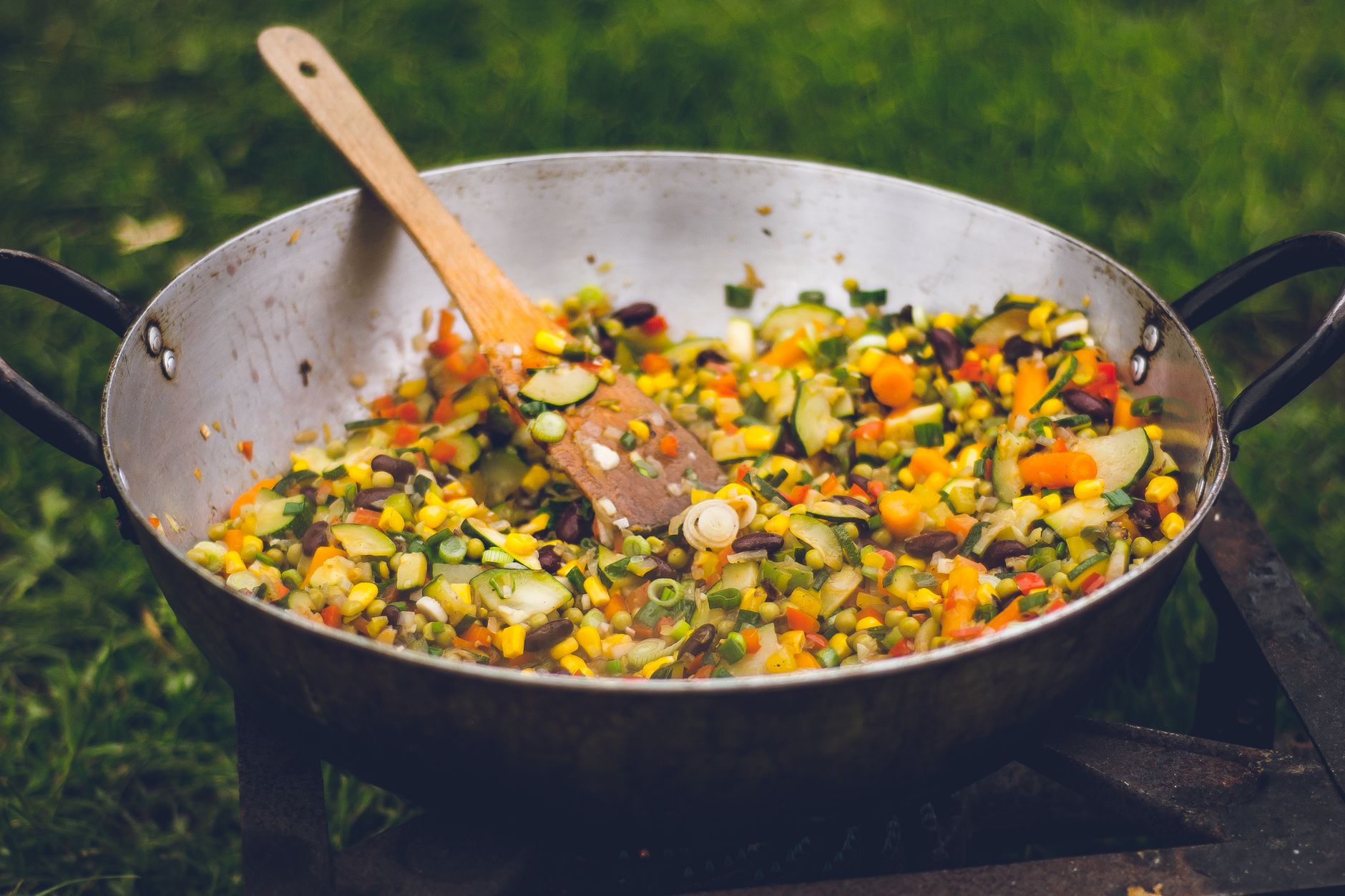
Veg All Can is a versatile and popular dish that highlights the beauty of seasonal vegetables. It showcases an array of flavors and textures, making it an excellent choice for any meal. This article will delve into the food facts, kitchen uses, and serving ideas for Veg All Can, providing everything you need to create a delicious take on this vegetable medley.
As more people seek to incorporate plant-based options into their diets, understanding how to use mixed vegetables effectively is useful. Whether you need a side dish or a main attraction, the flexibility of Veg All Can offers endless possibilities to satisfy your culinary needs.
What is Veg All Can?
Veg All Can is essentially a dish made by combining various chopped vegetables. The name suggests an inclusive approach, emphasizing that you can use any vegetables you have on hand. Common ingredients include bell peppers, carrots, zucchini, green beans, and onions, but the beauty lies in the freedom to experiment.
Food Facts About Veg All Can
This dish allows for the integration of a variety of vegetables, which not only enhances the flavor but also increases the nutritional value. Here are some key points to consider:
- Nutritional Benefits: Veg All Can is often packed with vitamins, minerals, and antioxidants, depending on the vegetables used. Leafy greens, for example, are rich in Vitamin K, while carrots are an excellent source of beta carotene.
- Flavor Profiles: The combination of different vegetables can create a harmonious balance of sweet, savory, and earthy flavors. When roasted, vegetables can develop a caramelized sweetness that elevates the overall taste.
- Texture Variety: Mixing vegetables creates an appealing texture contrast that can make the dish more enjoyable to eat. Crunchy bell peppers can complement tender zucchini, and crisp green beans can balance softer vegetables like squash.
Kitchen Uses for Veg All Can
Understanding how to use Veg All Can in your kitchen can maximize its versatility. Here are several applications and dish ideas to inspire you:
1. As a Side Dish
Veg All Can can be simply sautéed or roasted and served as a colorful side dish alongside meats, fish, or grains.
2. In a Stir-Fry
Incorporate Veg All Can into a stir-fry for a quick and nutrient-dense meal. Use soy sauce, garlic, or ginger to infuse the dish with flavor, and consider adding tofu or shrimp for protein.
3. Mixed into Salads
Chop raw veggies finely and toss them into salads for added crunch and nutrition. Consider pairing with a light vinaigrette to keep flavors bright.
4. In Soups or Stews
Add chopped vegetables to soups or stews for heartiness. They will not only provide flavor but will also contribute to the dish’s overall texture.
5. Frittatas and Omelettes
Include Veg All Can in frittatas or omelettes for a hearty breakfast packed with nutrients. Just sauté the vegetables before adding eggs for an easier cooking experience.
Ingredient List for Basic Veg All Can
While you can use any vegetables, here’s a straightforward list for a basic Veg All Can:
- 1 cup diced bell peppers (any color)
- 1 cup diced zucchini
- 1 cup sliced carrots
- 1 cup trimmed and cut green beans
- 1 medium onion, chopped
- 2 tablespoons olive oil
- Salt and pepper to taste
- Fresh herbs such as basil or parsley (optional)
Preparing Veg All Can
Here’s how to prepare this dish step by step:
- Preparation: Start by washing and cutting all vegetables into uniform sizes. This ensures even cooking.
- Preheat Oven (if roasting): Preheat your oven to 425°F (220°C).
- Toss with Oil: In a large bowl, combine the vegetables with olive oil, salt, and pepper. If using herbs, add them in this step.
- Arrange for Cooking: If roasting, spread the vegetables on a baking sheet in a single layer to help them cook evenly.
- Cooking Time: Roast for 20-25 minutes until the vegetables are tender and slightly caramelized, or sauté on medium heat until they are cooked to your desired tenderness.
Essential Equipment for Preparing Veg All Can
- Cutting board
- Sharp knife
- Large bowl for mixing
- Baking sheet (for roasting)
- Large skillet (for sautéing)
Common Mistakes to Avoid
When making Veg All Can, there are a few pitfalls that can hinder your dish:
- Not cutting vegetables uniformly can lead to uneven cooking.
- Overcrowding the baking sheet can trap steam and prevent caramelization.
- Skipping seasoning can result in bland flavors; don’t forget to taste as you go.
- Overcooking vegetables can render them mushy. Keep an eye on them, especially if roasting.
Serving Suggestions for Veg All Can
To elevate your dish even further, consider these serving ideas:
- Garnish with fresh herbs like parsley, basil, or cilantro right before serving for added freshness and color.
- Serve alongside your favorite dipping sauce, such as a garlic aioli or vinaigrette, for added flavor.
- Pair with protein options like grilled chicken, fish, or legumes for a balanced meal.
- Consider adding grains such as quinoa or brown rice as a base for a complete meal.
Substitutions and Variations
One of the best features of Veg All Can is its adaptability. Here are some substitutions and variations to consider:
- Vegetable Swaps: Substitute other vegetables like mushrooms, squash, or broccoli if you prefer. Just be mindful of cooking times; softer vegetables may require less time.
- Herbs and Spices: Experiment with different herbs and spices like thyme, rosemary, or even a spice blend for distinct flavors.
- Cooking Method: Grill the vegetables instead of roasting for a smokier flavor. Additionally, try steaming for a healthier option.
- Cheese Additions: For a heartier flavor, sprinkle with parmesan or feta cheese just before serving.
Storage and Reheating
To keep your Veg All Can fresh, here are some storage tips:
- Store leftovers in airtight containers in the refrigerator for up to three days.
- Freeze leftovers in portioned bags for up to three months. Just ensure they are well-sealed to prevent freezer burn.
- Reheat in a skillet on medium heat or microwave until warmed through. Be careful not to overcook when reheating, as it may turn mushy.
Vegetable Prep Tips
To make your Veg All Can experience even smoother, consider these vegetable prep tips:
- Wash vegetables just before use to ensure freshness.
- Use a sharp knife for cleaner cuts, making the cutting process easier and safer.
- Consider using a food processor for larger batches; it significantly speeds up the chopping process.
Meal Planning with Veg All Can
Veg All Can can play a significant role in effective meal planning. Here are ways to integrate this dish into your weekly meals:
- Batch Cook: Prepare a large batch for easy reheating throughout the week for quick lunches or dinners.
- Mix and Match: Pair with different proteins and grains to create variety without needing extensive prep each night.
- Theme Meals: Spend a week focusing on vegetable-rich meals, highlighting different Veg All Can variations each time.
Related Dishes and Inspirations
When exploring Veg All Can, you might also enjoy making similar vegetable-based dishes. Here are a few ideas that complement the theme:
- French Green Beans – Lightly sautéed and full of flavor.
- Zucchini Relish – A tangy condiment that enhances many meals.
Veg All Can is more than just a vegetable medley; it is a canvas for culinary creativity. The opportunities to explore new flavors and textures are endless, making it a staple in many households. Embrace the versatility and adaptability of Veg All Can by trying out different vegetable combinations and cooking methods. Start with the basic recipe, and let your taste guide you toward exploring a world of vegetables.
If you’re eager to continue your culinary adventure, explore related recipes, cooking tips, and food guides that can spark your creativity in the kitchen. Happy cooking!