
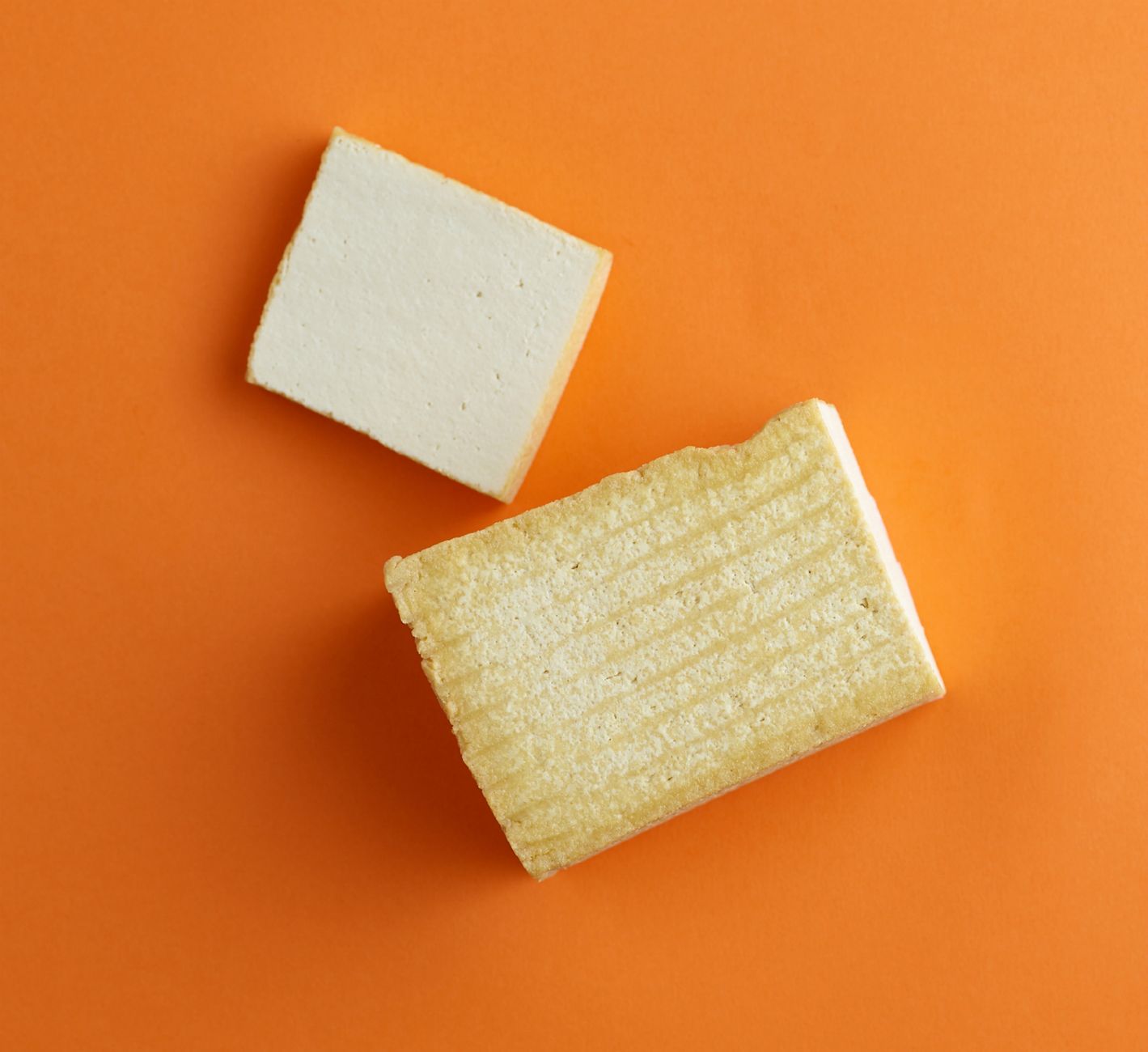
Tofu is a versatile and popular plant-based protein derived from soybeans, widely used in various cuisines around the world. Understanding its ingredients, flavors, and kitchen uses can help you incorporate this nutritious food into your meals, whether you’re vegan, vegetarian, or simply looking to explore new culinary options.
This article will delve into what tofu is made of, its unique flavors, and various kitchen uses, along with practical tips for preparation and cooking. Let’s demystify tofu to make it a staple in your cooking repertoire.
Tofu: What Is It Made Of?
Tofu is primarily made from soybeans, water, and a coagulating agent. The soybeans are soaked, ground, and boiled to create soy milk, which is then curdled using coagulants such as magnesium chloride or calcium sulfate. This process separates the curds from the whey, creating the solidified tofu block we know.
Ingredients Breakdown
Let’s examine the key components of tofu: soybeans, water, and coagulants.
Soybeans
Soybeans are leguminous seeds that are rich in protein, making them an excellent meat substitute. They contain all essential amino acids, which is rare for plant-based foods. Additionally, soybeans are a source of fiber, healthy fats, and micronutrients such as iron and calcium.
Water
Water is crucial in the tofu-making process. It is used to soak and grind the soybeans, and also plays a role in the curdling process. The quality of water can influence the final product’s taste and texture, so it’s best to use clean, filtered water for the best results.
Coagulants
Coagulants are the substances that help in transforming the liquid soy milk into solid tofu. The most common coagulants include:
- Calcium sulfate: Often referred to as gypsum, it is the most traditional coagulant and adds calcium to the tofu.
- Magnesium chloride: Known as nigari, this coagulant imparts a slightly different texture and flavor compared to calcium sulfate.
- Lactic acid: This can also be used and provides a slightly tangy flavor.
Flavor and Texture of Tofu
Tofu is known for its mild flavor, which allows it to absorb the flavors of whatever it’s cooked with. Its texture varies depending on the type of tofu produced:
Types of Tofu
- Silken tofu: Soft and smooth, it has high moisture content and is often used in soups, smoothies, and desserts.
- Soft tofu: Slightly firmer than silken tofu but still delicate, it is great for scrambles and soups.
- Firm tofu: A popular choice for stir-frying and grilling, it holds its shape well and has a denser texture.
- Extra-firm tofu: The densest type, ideal for grilling, frying, or baking, as it holds up well under high heat.
Cooking with Tofu
Tofu can be used in countless recipes, making it a great ingredient for meal planning. Here are some of the ways to prepare and cook tofu:
Preparing Tofu
Before cooking, tofu often requires some preparation. Depending on the type of tofu, it may need to be pressed to remove excess moisture, which helps improve the texture and allows it to better absorb marinades.
Pressing Tofu
- Wrap the tofu block in a clean kitchen towel or paper towels.
- Place a cutting board or a plate on top of the wrapped tofu.
- Put some weight on top (like a few cans) to press it down for 15-30 minutes.
Cooking Techniques
Tofu can be cooked using different techniques, each imparting unique flavors and textures:
Stir-Frying
Cut firm or extra-firm tofu into cubes or strips and stir-fry them with vegetables and sauce. The high heat will create a golden crust on the outside while keeping the inside tender.
Grilling
Tofu can be marinated to enhance its flavor and grilled on skewers or directly on the grill. Brush with oil and grill until charred for a delicious smoky flavor.
Baking
Coat tofu in oil, spices, or sauces, and bake it in the oven. This method allows for even cooking and can create a firmer texture.
Scrambling
Soft tofu can be crumbled and cooked like scrambled eggs. Add onions, peppers, and spices for a hearty breakfast option.
Blending
Silken tofu can be blended into smoothies, dressings, or desserts for a creamy texture without adding too many calories.
Common Mistakes When Cooking Tofu
While tofu is easy to work with, there are some common pitfalls to avoid:
- Not pressing tofu: Skipping the pressing step can result in soggy tofu that doesn’t absorb flavors well.
- Overcooking: Tofu can become tough if cooked for too long. Aim for a golden exterior while maintaining a tender interior.
- Inadequate marinating: Tofu benefits greatly from marination. Spending at least 30 minutes or longer in marinade enhances the flavor.
Substitutions and Variations
If you’re looking for substitutes for tofu in various dishes, consider these options:
- Tempeh: Made from fermented soybeans, it has a nutty flavor and firmer texture.
- Seitan: A wheat-based protein with a chewy texture, great for savory dishes.
- Chickpeas: Mashed chickpeas can provide a sturdy base for salads or curries as an alternative protein source.
Storage of Tofu
Tofu can last for a significant time if stored properly. Follow these guidelines for maximum freshness:
Refrigeration
Unopened tofu can be stored in the fridge until its expiration date. Once opened, ensure it is submerged in water in an airtight container and change the water daily. It can last up to a week in this condition.
Freezing
Tofu can also be frozen for extended longevity. Freezing alters its texture, making it chewier and more porous, which many find desirable. To freeze, wrap it tightly in plastic wrap and place it in a freezer bag. Defrost in the fridge before cooking.
Incorporating Tofu into Meals
Here are some practical suggestions on how to include tofu in your meals:
Breakfast
- Prepare a tofu scramble with your favorite vegetables and spices.
- Blend silken tofu into smoothies for added creaminess.
Lunch
- Use cubes of marinated tofu in salads or grain bowls.
- Incorporate tofu into wraps or sandwiches with fresh veggies.
Dinner
- Add stir-fried tofu to your favorite veggie and protein-packed stir fry.
- Serve grilled or baked tofu with side dishes like rice, quinoa, or steamed vegetables.
Dessert
- Use silken tofu in desserts like mousse or cheesecake to add creaminess without excess fat.
- Incorporate blended tofu into smoothies and shakes for a protein boost.
The Benefits of Tofu
Incorporating tofu into your diet can have various benefits:
- High in Protein: A great alternative to meat, tofu provides a significant amount of protein.
- Heart-Healthy: It’s low in saturated fat and cholesterol-free.
- Rich in Nutrients: Tofu contains calcium, iron, and magnesium.
Conclusion
Tofu is an adaptable and nutritious food that can enhance your meals in a myriad of ways. Understanding its ingredients, flavors, and various cooking techniques can empower you to create delicious dishes that cater to various dietary preferences. Whether you’re exploring plant-based cooking or looking to add new flavors to your plates, tofu is a fantastic ingredient that opens up endless culinary possibilities.
For more inspiration, check out these related recipes: Chia Pudding Recipe and How is Soy Sauce Made?.