
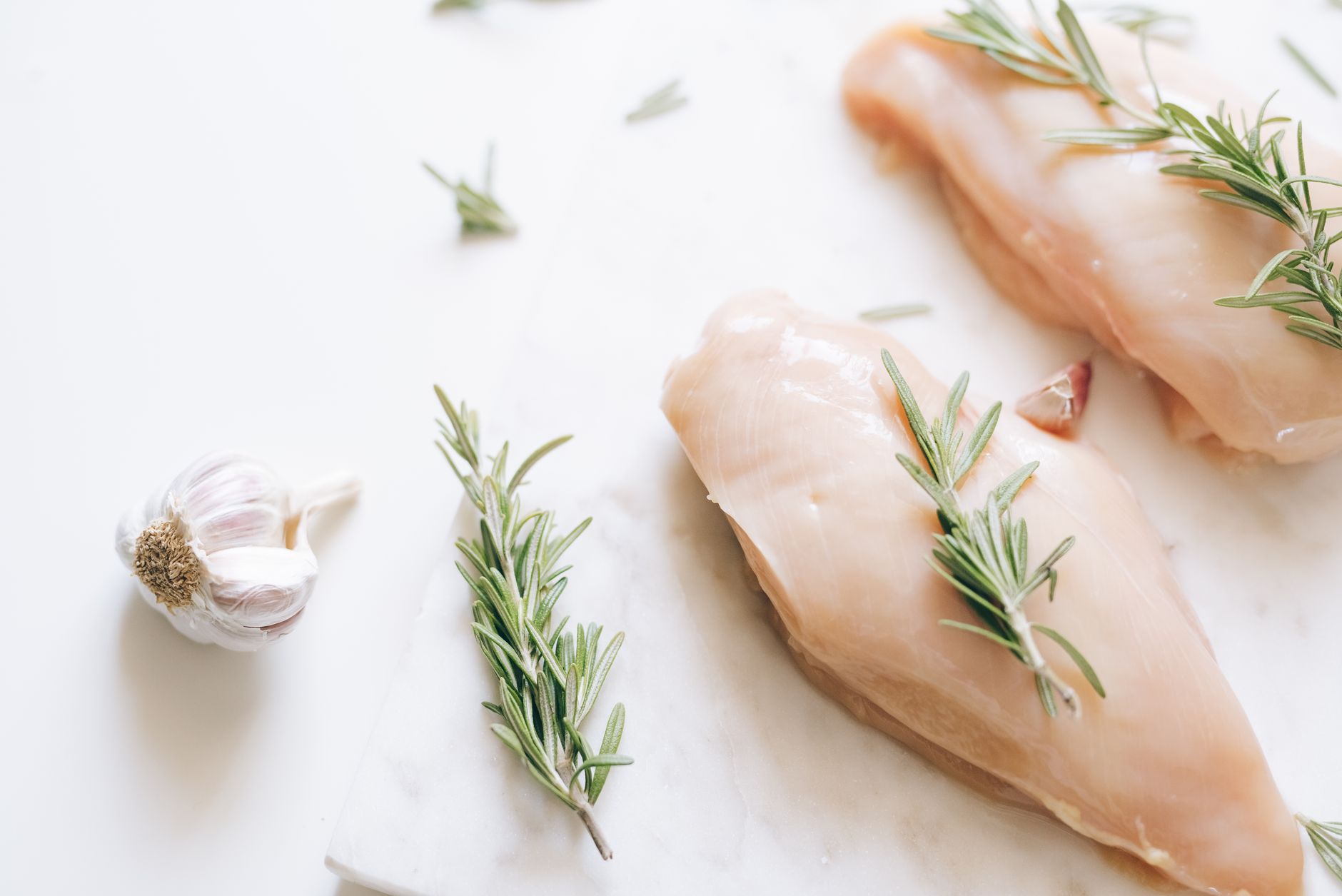
When it comes to lean protein sources, chicken breast is a popular choice among health enthusiasts and home cooks alike. But how much protein is actually found in a pound of chicken breast? Understanding the protein content can help with meal planning, dietary needs, and cooking techniques that maximize this nutritious ingredient.
This article will delve into the protein content of chicken breast, its benefits, cooking methods, meal planning tips, and how to incorporate it into a balanced diet. Whether you are preparing for a workout or planning a family dinner, we’ve got the information you need.
How Much Protein in a Pound of Chicken Breast?
A pound of raw, boneless, skinless chicken breast typically contains about 100 grams of protein. This equates to roughly 20-25 grams of protein per 3.5 ounces (100 grams) of cooked chicken breast, depending on the cooking method. Chicken breast is considered one of the richest sources of lean protein available, making it a staple in many diets.
Understanding Chicken Breast Nutrition
Chicken breast is low in fat and calories when compared to other protein sources, which contributes to its popularity among those looking to maintain or lose weight. Here’s a breakdown of the average nutritional profile for a pound of raw, boneless, skinless chicken breast:
- Calories: Approximately 480
- Protein: 100 grams
- Total Fat: 10 grams
- Saturated Fat: 3 grams
- Cholesterol: 240 milligrams
- Sodium: 100 milligrams (if not brined)
Keep in mind that cooking methods can alter the nutritional content, particularly when adding oils, sauces, or breadcrumbs.
Choosing the Right Chicken Breast
When shopping for chicken breast, there are several factors to consider to ensure you select a high-quality product:
- Freshness: Look for chicken breast that has a pinkish color and minimal liquid in the packaging.
- Quality Labels: Purchase organic or free-range chicken when possible, as these may come from healthier birds, though they may also be more expensive.
- Storage: If you are not cooking with the chicken breast right away, make sure it is stored properly in your refrigerator or freezer.
Cooking Methods for Implementing Chicken Breast
Chicken breast can be prepared in various ways, and each cooking method affects both the flavor and texture of the meat. Here are several popular techniques:
Grilling Chicken Breast
Grilling is a great way to develop smoky flavors while keeping chicken breast tender. To grill chicken breast:
- Preheat your grill to medium-high heat.
- Marinate the chicken or season it with salt and pepper for flavor.
- Grill for about 6-7 minutes per side, or until the internal temperature reaches 165°F.
- Let the chicken rest for 5 minutes before slicing to keep it juicy.
Baking Chicken Breast
Baking chicken breast is simple and can be a hands-off option for meal prep. Here’s how to do it:
- Preheat your oven to 375°F (190°C).
- Place chicken breasts in a baking dish and season them.
- Bake for 25-30 minutes or until the internal temperature hits 165°F.
- Let it rest for a few minutes before serving.
Sautéing Chicken Breast
Sautéing chicken breast in a pan is quick and allows for high heat cooking. Follow these steps:
- Heat oil in a skillet over medium heat.
- Add chicken breasts seasoned to your liking and cook for 5-7 minutes on each side.
- Ensure the internal temperature reaches 165°F before removing from heat.
Slow Cooking Chicken Breast
Slow cooking is fantastic for infusing flavors into the chicken while making it incredibly tender. Here’s the method:
- Place chicken breasts in the slow cooker with your choice of broth or sauces.
- Cook on low for 6-8 hours or high for 3-4 hours.
- Shred the chicken with forks for easy serving.
Meal Planning with Chicken Breast
Incorporating chicken breast into your meal planning can ensure you have nutritious meals ready throughout the week. Here are some tips:
- Batch Cooking: Cook multiple chicken breasts at once and store them in the refrigerator for easy access.
- Versatile Recipes: Use pre-cooked chicken breasts in various dishes such as salads, wraps, or casseroles.
- Mixing Flavors: Experiment with different marinades and seasonings to keep meals exciting.
Protein-Rich Meal Ideas
Here are some ideas for meals that utilize chicken breast as a primary ingredient:
- Chicken Salad: Mix shredded chicken with Greek yogurt, mustard, celery, and grapes for a delicious salad.
- Stir-Fried Chicken and Vegetables: Quickly stir fry sliced chicken with broccoli, bell peppers, and carrots in soy sauce and garlic.
- Taco Night: Season shredded chicken with taco spices and serve with soft tortillas, lettuce, and salsa.
- Chicken Breast Sandwich: Layer grilled chicken breast on a whole-grain bun with lettuce, tomato, and avocado.
Substitutions and Variations
If you’re looking to switch things up, consider these alternatives and variations while still focusing on healthy protein sources:
- Turkey Breast: A leaner alternative to chicken with similar protein content.
- Firm Tofu: A plant-based protein option that absorbs flavors well.
- Lean Pork Tenderloin: Another protein-rich meat that can be prepared in similar ways to chicken.
Keep in mind that cooking times and methods may vary with these substitutions depending on their size and moisture content.
Common Mistakes When Cooking Chicken Breast
Cooking chicken breast can be straightforward, but some errors can lead to unpleasant results. Here are common pitfalls to avoid:
- Overcooking: Chicken can become dry if left too long on heat. Always use a meat thermometer to check for 165°F.
- Skipping the Resting Period: Letting chicken sit for a few minutes after cooking allows the juices to redistribute, improving moisture.
- Not Seasoning Enough: Skip bland chicken by being generous with marinades and seasonings before cooking.
Storage and Reheating Chicken Breast
If you have leftover chicken breast, proper storage is essential for safety and quality:
- Refrigeration: Store cooked chicken in an airtight container in the fridge for up to four days.
- Freezing: For longer storage, seal cooked chicken portions in freezer bags and freeze for up to six months.
- Reheating: Reheat chicken in the microwave or oven until it reaches an internal temperature of 165°F.
Conclusion
Chicken breast is a versatile, protein-packed ingredient that can enhance your meals. With an average of 100 grams of protein per pound, it supports health-conscious eating without compromising on flavor. Whether grilled, baked, or sautéed, chicken breast fits perfectly into any meal plan.
For more delicious chicken recipes or tips on perfecting your cooking techniques, don’t miss our sous vide chicken breast recipe or learn how to make a flavorful chicken brine. Each of these resources can elevate your home cooking and help you make the most out of this nutritious protein source.