
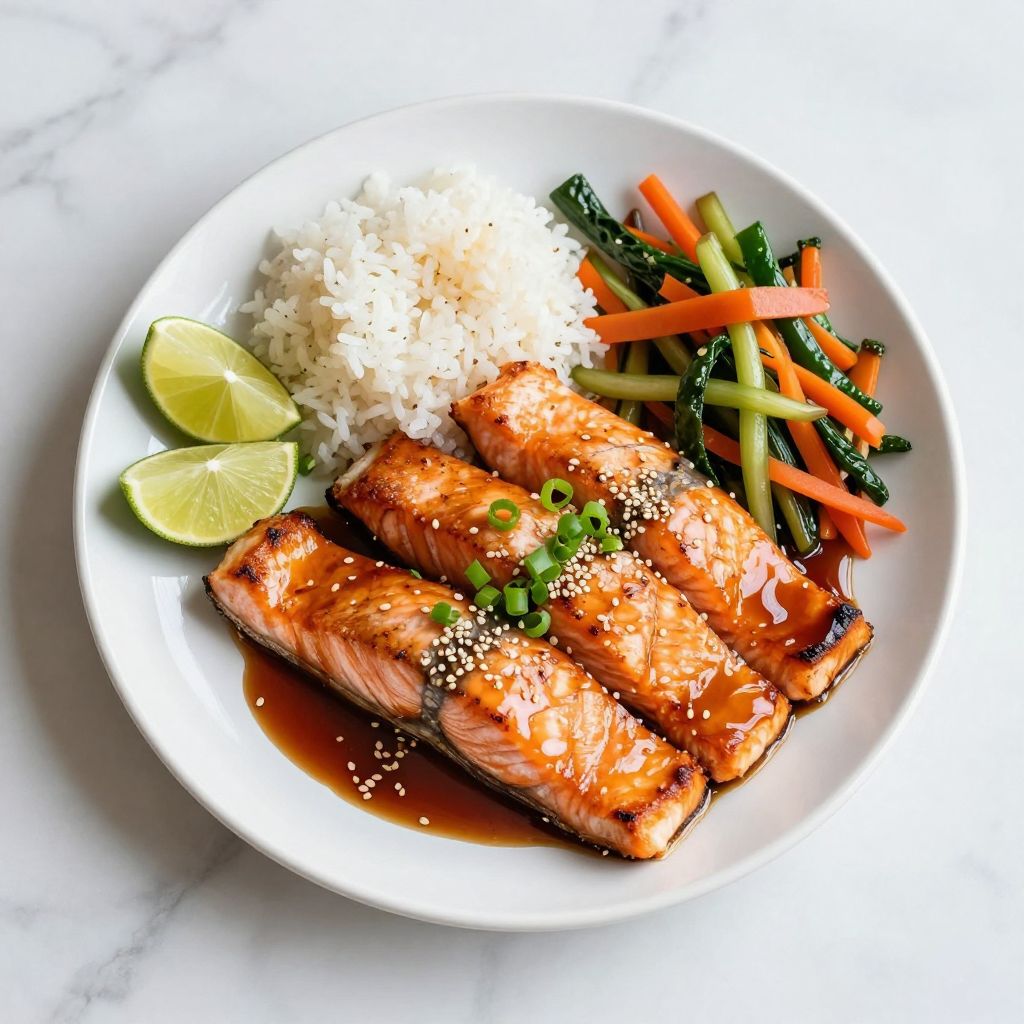
Imagine the aroma of tender salmon fillets sizzling in a hot pan, infused with the rich umami of soy sauce. This Soy Sauce Salmon Recipe is a true delight, perfect for busy weeknights or when you want to impress guests without spending hours in the kitchen. The combination of savory soy sauce and sweet honey creates a beautifully balanced glaze that caramelizes beautifully, giving your salmon a mouthwatering flavor that’s hard to resist. Plus, it’s quick and easy, making it a go-to choice for any home cook.
Why You’ll Love This Recipe
This recipe is a real winner for several reasons.
- Quick cooking time, ready in under 20 minutes.
- Minimal ingredients, yet packed with flavor.
- Perfectly flaky salmon every time.
- Versatile; great for weeknight dinners or special occasions.
My Experience Making This Recipe
The first time I made this recipe, my kitchen smelled like a five-star restaurant. Each bite was a delightful combination of sweet and savory, and the salmon turned out perfectly flaky.
My family devoured it, and I couldn’t believe how easy it was to whip up such a delicious dish. It quickly became a staple in my dinner rotation, and I bet it will in yours too!
Recipe Overview
- Recipe Name: Soy Sauce Salmon
- Servings: 4
- Prep Time: 5 minutes
- Cook Time: 10 minutes
- Total Time: 15 minutes
- Course: Main Course
- Cuisine: Asian
- Calories per Serving: 280
Equipment You Will Need
- Large skillet or frying pan
- Mixing bowl
- Whisk or fork
- Spatula
- Measuring spoons
Ingredients for Soy Sauce Salmon
- 4 salmon fillets (about 6 ounces each)
- 1/4 cup soy sauce
- 2 tablespoons honey
- 2 cloves garlic, minced
- 1 teaspoon ginger, grated
- 1 tablespoon olive oil
- 1 tablespoon sesame seeds (optional, for garnish)
- Green onions, sliced (optional, for garnish)
Ingredient Notes and Substitutions
- Salmon fillets: Rich in flavor and healthy fats, use skin-on for extra crispiness. Substitute with trout or chicken breast for different flavors.
- Soy sauce: Provides the savory base; low-sodium soy sauce works well if you’re watching salt intake. Tamari is a perfect gluten-free alternative.
- Honey: Adds sweetness to balance the saltiness; maple syrup can be a great vegan substitute.
- Garlic and ginger: These aromatics enhance flavor; powdered versions can work in a pinch, but fresh is best.
- Olive oil: Helps with cooking temperature; feel free to use vegetable oil if you prefer.
How to Make Soy Sauce Salmon
Step 1: Prepare the Marinade
In a mixing bowl, whisk together the soy sauce, honey, minced garlic, and grated ginger. This marinade not only flavors the salmon but also helps keep it moist.
Step 2: Marinate the Salmon
Place the salmon fillets in the bowl with the marinade and let them soak for at least 10 minutes. This step is crucial for infusing the fish with that delicious umami flavor.
Step 3: Heat the Skillet
Heat the olive oil in a large skillet over medium-high heat. A hot pan ensures a nice sear on the salmon, locking in juices and flavor.
Step 4: Cook the Salmon
Once the skillet is hot, add the salmon fillets skin-side down. Cooking skin-side down first helps to crisp the skin and adds texture.
Step 5: Add the Marinade
Pour the remaining marinade over the salmon in the skillet. This will create a tasty glaze as the salmon cooks.
Step 6: Sear and Flip
Cook for about 4-5 minutes on one side, then gently flip the fillets. This helps to ensure even cooking and prevents the salmon from falling apart.
Step 7: Finish Cooking
Continue cooking for another 3-4 minutes or until the salmon flakes easily with a fork. Checking for doneness ensures you don’t overcook it, which can dry it out.
Step 8: Serve and Garnish
Remove the salmon from the skillet, and sprinkle with sesame seeds and green onions if desired. This adds a nice crunch and fresh flavor to the dish.
Pro Tip: Let the salmon rest for a couple of minutes after cooking for even more tender and juicy results.
Tips for the Best Soy Sauce Salmon
- Use fresh salmon fillets for the best flavor and texture.
- Don’t skip the marinating time; even 10 minutes makes a big difference.
- Keep an eye on cooking time to prevent overcooking.
- Try using a non-stick skillet for easier flipping and cleanup.
- If you like a bit of heat, add a dash of red pepper flakes to the marinade.
Common Mistakes to Avoid
- Overcooking the salmon can lead to a dry texture, so watch it carefully.
- Skipping the marinating step means missing out on maximum flavor.
- Using low-quality soy sauce can affect the overall taste of the dish.
- Not letting the skillet heat up properly can result in uneven cooking.
Serving Suggestions
This salmon pairs wonderfully with a variety of side dishes.
- Steamed rice or quinoa for a hearty base.
- Stir-fried vegetables for a fresh crunch.
- Cauliflower rice for a low-carb option.
- Asian slaw for a zesty side.
Variations to Try
- Add citrus zest for a fresh twist; lime or lemon brightens the flavor.
- Include a splash of rice vinegar for a tangy kick.
- Swap honey for brown sugar for a deeper sweetness.
- Try a teriyaki-style marinade instead for a different flavor profile.
Dietary Adaptations
- Gluten-free: Use gluten-free soy sauce or tamari.
- Dairy-free: This recipe is naturally dairy-free.
- Vegan/Vegetarian: Substitute salmon with tofu or eggplant.
- Low-carb/Keto: Pair with non-starchy vegetables instead of rice.
Storage and Reheating
Refrigerator
Store any leftovers in an airtight container in the fridge for up to 3 days.
- Make sure it cools completely before sealing.
- Reheat gently to prevent drying.
Freezer
For longer storage, freeze cooked salmon for up to 2 months.
- Wrap tightly in plastic wrap and then in foil to prevent freezer burn.
- Label with the date for easy tracking.
Reheating
Reheat the salmon in a skillet over low heat or in the microwave.
- Cover with a damp paper towel in the microwave to retain moisture.
- Heat just until warmed through to maintain tenderness.
Nutrition Information
| Nutrient | Amount |
|---|---|
| Calories | 280 |
| Total Fat | 12g |
| Saturated Fat | 2g |
| Carbohydrates | 10g |
| Fiber | 0g |
| Sugar | 8g |
| Protein | 32g |
| Sodium | 800mg |
| Cholesterol | 70mg |
This nutritional information is approximate and can vary based on specific ingredients used.
Frequently Asked Questions
Can I use another type of fish?
Yes, you can substitute other fish like trout or even chicken breast for a different flavor.
Can I prepare the marinade ahead of time?
Absolutely! You can mix the marinade a day in advance and store it in the fridge.
How do I store leftovers?
Store leftover salmon in an airtight container in the refrigerator for up to three days.
Why is my salmon sticking to the pan?
This could be due to a cold pan or not enough oil. Make sure your skillet is hot and well-oiled.
Can I make this recipe in the oven?
Yes, you can bake the salmon at 400°F for about 12-15 minutes for a hands-off approach.
Final Thoughts
This Soy Sauce Salmon Recipe is a delightful way to enjoy a quick, flavorful meal that feels special. With just a few ingredients and minimal effort, you can create a dish that impresses every time.
Give it a try, and I promise you’ll be adding it to your regular rotation. And if you’re curious about soy sauce, check out how it’s made in this article: How is Soy Sauce Made? For another delicious seafood option, don’t miss my Seared Ahi Tuna Recipe.
Soy Sauce Salmon
Ingredients
Equipment
Method
- In a mixing bowl, whisk together the soy sauce, honey, minced garlic, and grated ginger.
- Place the salmon fillets in the bowl with the marinade and let them soak for at least 10 minutes.
- Heat the olive oil in a large skillet over medium-high heat.
- Once the skillet is hot, add the salmon fillets skin-side down.
- Pour the remaining marinade over the salmon in the skillet.
- Cook for about 4-5 minutes on one side, then gently flip the fillets.
- Continue cooking for another 3-4 minutes or until the salmon flakes easily with a fork.
- Remove the salmon from the skillet, and sprinkle with sesame seeds and green onions if desired.