
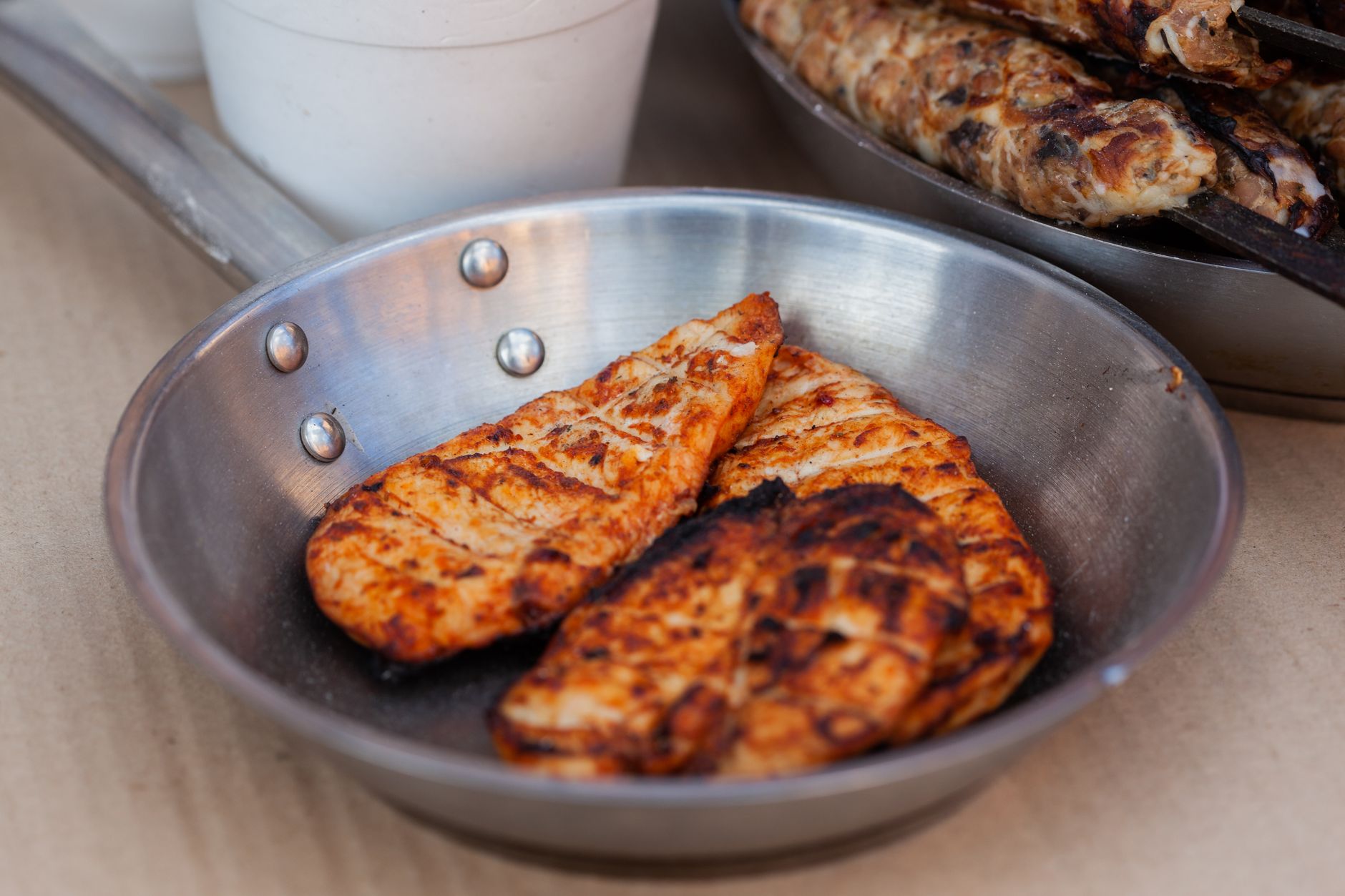
Understanding which foods contain no carbohydrates can be crucial for various dietary needs and preferences, from low-carb diets to ketogenic eating plans. By focusing on protein-rich and low-fat foods, you can create meals that are satisfying and nutritious without adding carbs.
In this guide, we will explore foods with zero carbs, their nutritional profiles, and practical ways to incorporate them into your daily meals. Whether you’re a seasoned cook or a meal prep beginner, you’ll find valuable information and tips to help you make informed choices.
What Food Has No Carbs?
Foods with no carbohydrates include animal proteins, specific fats, and certain herbs and spices. Common options include meat, fish, eggs, and oils. Understanding these foods can help you effectively manage your diet without deprivation.
Protein Sources with No Carbs
Animal proteins are among the most reliable sources of zero-carb foods. They not only provide necessary nutrients but also help with satiety, making them ideal for low-carb diets.
Meat
Meat is one of the ultimate zero-carb foods, rich in protein and free of carbs. Here are some examples to consider:
- Beef: Cuts like ribeye, sirloin, and ground beef contain negligible carbs. They are high in protein and iron.
- Pork: Pork chops, roast pork, and pork loin are carb-free and great for diverse cooking methods.
- Lamb: Similar to beef, lamb is a rich source of protein with no carbohydrates.
- Poultry: Chicken and turkey are also excellent options. Skin-on cuts maintain flavor and moisture.
Fish and Seafood
Most fish and seafood are also free from carbohydrates, making them perfect for high-protein diets. Consider these options:
- Salmon: Rich in omega-3 fatty acids, salmon is both nutritious and versatile.
- Tuna: Canned or fresh, tuna is a great addition to salads or wraps.
- Shrimp: Quick to cook and adaptable, shrimp is a low-carb treat.
- Cod: This firm white fish works well in a variety of recipes.
Eggs
Whole eggs are a powerful food option with no carbohydrates. They are packed with protein, healthy fats, and essential vitamins. You can prepare them in various ways:
- Scrambled
- Boiled
- Poached
- Fried
Eggs also serve as a key ingredient in many low-carb recipes, from quiches to omelets.
Fats and Oils
While dietary fats may often be overlooked, they play a significant role in a balanced low-carb diet. Many fats and oils are completely carbohydrate-free.
Healthy Oils
- Olive Oil: A staple in Mediterranean cooking, olive oil adds flavor and healthy fats.
- Coconut Oil: Great for cooking at high temperatures, coconut oil adds a coconut flavor to dishes.
- Avocado Oil: This oil has a high smoke point and is perfect for frying or roasting.
Animal Fats
Animal fats like butter and ghee are also zero-carb alternatives. They provide flavor and are integral to many cooking techniques. Incorporating them into meals can enhance taste without adding carbs.
Non-Carb Vegetables and Herbs
While many vegetables contain carbohydrates, certain non-starchy vegetables contain very minimal amounts, making them compatible with low-carb diets.
Leafy Greens
- Spinach: Rich in vitamins and minerals with very few carbs.
- Kale: A nutrient-dense option with very low carbs, great for salads or smoothies.
- Romaine Lettuce: Excellent for wraps and salads.
Herbs and Spices
Fresh herbs and certain spices are also low in carbs and add depth and flavor to dishes without increasing your carbohydrate intake. Consider using:
- Basil
- Cilantro
- Parsley
- Garlic Powder
- Onion Powder
Common Mistakes When Choosing No-Carb Foods
When planning a no-carb diet, it’s easy to make some common mistakes. Here are key points to consider:
- Not Reading Labels: Some processed meats and condiments may contain hidden sugars and carbohydrates. Always check the labels.
- Overlooking Portion Sizes: High-fat foods can lead to weight gain if eaten in excessive amounts, even if they are carb-free.
- Neglecting Nutrients: Ensure your diet includes a variety of protein sources and doesn’t exclude essential nutrients.
Meal Planning with No-Carb Foods
Implementing no-carb foods into your meal planning can help streamline your cooking process while ensuring that meals are satisfying and nutritious.
Breakfast Ideas
- Scrambled Eggs with Spinach: Simple, healthy, and quick to prepare.
- Omelet with Cheese and Herbs: Versatile and loaded with protein.
- Shrimp and Avocado Breakfast Bowl: A fresh, filling option.
Lunch Ideas
- Chicken Caesar Salad: Use romaine lettuce and grilled chicken topped with parmesan and Caesar dressing.
- Tuna Salad Lettuce Wraps: Tuna mixed with mayo and wrapped in lettuce leaves.
- Egg Salad: Use boiled eggs mixed with mayonnaise and serve on a bed of leafy greens.
Dinner Ideas
- Grilled Salmon with Garlic Butter: A fantastic source of protein and omega-3 fatty acids.
- Beef Stir-Fry: Cooked with non-starchy vegetables in a healthy oil.
- Roasted Chicken Thighs with Herbs: Juicy and flavor-packed.
Practical Tips for Cooking with No-Carb Foods
Making meals using no-carb foods does not have to be complicated. Here are some practical tips:
- Keep It Simple: Use basic cooking techniques like grilling, baking, and sautéing to prepare meats and vegetables simply.
- Flavor with Fat: Use healthy oils and fats to enhance the taste of your dishes.
- Prep Ahead: Cooking meats in bulk and storing for quick meals during the week can save time.
Storage Tips for No-Carb Foods
Proper storage of no-carb foods ensures their freshness and safety. Follow these storage tips:
- Meat: Store raw meats in the fridge for 1-2 days; freeze for longer storage. Cooked meats should be consumed within 3-4 days when stored properly in the fridge.
- Fish: Fresh fish can be kept in the fridge for 1-2 days before cooking; freezing is a great option for longer storage.
- Eggs: When stored properly in their carton, fresh eggs can last several weeks in the refrigerator.
- Fats: Store oils in a cool, dark place to prevent them from going rancid.
Nutritional Considerations
Not all zero-carb foods provide equal nutritional value. While proteins and fats are essential, variety ensures you receive different vitamins and minerals:
- Incorporate fish, poultry, and red meats to access various nutrients such as iron, zinc, and B vitamins.
- Include non-starchy vegetables for their vitamins, minerals, and fiber, which aids digestion.
Conclusion
Focusing on zero-carb foods can be a practical and satisfying approach to dietary planning. By incorporating diverse protein sources, healthy fats, and non-starchy vegetables into your meals, you can maintain a balanced and enjoyable diet.
Explore related recipes and cooking tips to diversify your meals, such as egg recipes or try a unique carnivore bread recipe that aligns with your no-carb eating approach.