
Picture this: cozy nights in, a steaming bowl of noodles that satisfy your cravings without the guilt. Shirataki Noodles are a delightful alternative that brings a unique texture and versatility to your meals. These noodles absorb flavors beautifully, making them a perfect canvas for your favorite sauces and ingredients. Plus, they’re low in calories and carbs, so you can indulge without worry. Let’s dive into how to prepare these amazing noodles!
Why You’ll Love This Recipe
This recipe is a must-try for anyone looking to enjoy a delicious yet healthy meal.
- Low in calories and carbs, making it a guilt-free option.
- Quick and easy to prepare, perfect for busy weeknights.
- Highly versatile, able to pair with various sauces and proteins.
- Gluten-free, suitable for many dietary preferences.
- Absorbs flavors well, enhancing your dishes.
My Experience Making This Recipe
When I first tried Shirataki Noodles, I was intrigued by their unique texture. To my surprise, they took on the flavors of the sauce beautifully, making each bite a delight.
My family was impressed, and they quickly became a regular feature in our meals. The versatility of these noodles means they can easily adapt to whatever flavor profile you’re craving.
Recipe Overview
- Recipe Name: Shirataki Noodles
- Servings: 2
- Prep Time: 5 minutes
- Cook Time: 10 minutes
- Total Time: 15 minutes
- Course: Main Course
- Cuisine: Asian
- Calories per Serving: 20
Equipment You Will Need
- Colander
- Large saucepan
- Stirring spoon
- Cutting board
- Knife
Ingredients for Shirataki Noodles
- 1 package (7 oz) Shirataki noodles – the star ingredient, low in calories.
- 2 tablespoons soy sauce – for a savory flavor boost.
- 1 tablespoon sesame oil – adds a rich, nutty taste.
- 1 clove garlic, minced – enhances the dish with aromatic flavor.
- 1 teaspoon ginger, minced – provides a zesty kick.
- 1 cup mixed vegetables – adds color and nutrition (carrots, bell peppers, etc.).
- Optional protein (chicken, tofu, shrimp) – to make the dish heartier.
Ingredient Notes and Substitutions
- Shirataki noodles: They are low-calorie and gluten-free. You can substitute with zucchini noodles for a similar texture.
- Soy sauce: It adds umami flavor. Tamari works well for a gluten-free option.
- Sesame oil: Provides a unique flavor. Olive oil can be used instead if needed.
- Garlic and ginger: Both enhance the overall taste. You can use garlic powder and ground ginger if fresh is unavailable.
- Mixed vegetables: They add health benefits. Feel free to use any vegetables you enjoy or have on hand.
How to Make Shirataki Noodles
Step 1: Rinse the Noodles
Open the package of Shirataki noodles and drain them in a colander. Rinsing helps eliminate the strong odor some brands may have.
Step 2: Prepare the Vegetables
Chop your mixed vegetables into bite-sized pieces. This ensures even cooking and a pleasing texture.
Step 3: Heat the Pan
In a large saucepan, heat a tablespoon of sesame oil over medium heat. This will prepare the pan for sautéing.
Step 4: Sauté the Aromatics
Add the minced garlic and ginger to the pan, cooking for about 30 seconds until fragrant. This step builds a flavor base for your noodles.
Step 5: Add the Vegetables
Introduce the mixed vegetables to the pan and stir-fry for about 3-4 minutes until they start to soften. This helps to maintain some crispness while cooking.
Step 6: Incorporate the Noodles
Add the rinsed Shirataki noodles to the pan, using a fork or tongs to toss them with the vegetables. This step ensures the noodles soak up all the delicious flavors.
Step 7: Season the Dish
Pour in the soy sauce, stirring well to coat the noodles and vegetables. This enhances the dish with a savory touch.
Step 8: Serve and Enjoy
Cook for another 2-3 minutes until everything is heated through. Serve hot and enjoy your delicious Shirataki noodles!
Pro Tip: For extra flavor, let the noodles sit in the sauce for a few minutes before serving.
Tips for the Best Shirataki Noodles
- Always rinse the noodles well to remove any odd flavors.
- Don’t overcook the vegetables; they should remain slightly crisp.
- Add protein for a complete meal; it enhances the dish’s heartiness.
- Experiment with different sauces to find your perfect flavor combination.
- Use a non-stick pan to prevent sticking and ensure even cooking.
Common Mistakes to Avoid
- Not rinsing the noodles enough can leave a strong odor.
- Overcooking the dish can lead to mushy noodles and vegetables.
- Using too much soy sauce can overpower the flavors.
- Skipping the aromatics will result in bland noodles.
Serving Suggestions
These noodles pair wonderfully with various dishes and flavors. Here are some ideas:
- Serve with grilled chicken or shrimp for a protein-packed meal.
- Top with fresh herbs like cilantro or green onions for added freshness.
- Pair with a spicy dipping sauce for a kick.
- Enjoy alongside a light salad for a refreshing contrast.
Variations to Try
- Add some chili paste for a spicy kick.
- Mix in peanut sauce for a Thai-inspired dish.
- Stir in sesame seeds for added crunch and flavor.
- Use spiralized veggies instead of mixed vegetables for a colorful twist.
Dietary Adaptations
- Gluten-free: Use tamari instead of soy sauce for a gluten-free option.
- Dairy-free: This recipe is naturally dairy-free.
- Vegan/Vegetarian: Simply omit any meat to keep it plant-based.
- Low-carb/Keto: Shirataki noodles are an excellent choice for low-carb diets.
Storage and Reheating
Refrigerator
Store any leftovers in an airtight container in the refrigerator for up to three days.
- Keep the noodles separate from the sauce to prevent sogginess.
Freezer
Freezing is not recommended due to the texture change upon thawing.
- It’s best to enjoy Shirataki noodles fresh.
Reheating
Reheat in a pan over medium heat, adding a splash of water or broth to keep them moist.
- Stir frequently to ensure even heating.
Nutrition Information
| Nutrient | Amount |
|---|---|
| Calories | 20 |
| Total Fat | 2g |
| Saturated Fat | 0g |
| Carbohydrates | 4g |
| Fiber | 2g |
| Sugar | 1g |
| Protein | 1g |
| Sodium | 400mg |
| Cholesterol | 0mg |
This nutritional information is approximate and can vary based on specific brands and ingredients used.
Frequently Asked Questions
Can I use Shirataki noodles in a salad?
Absolutely! They add a great texture to salads and can be served cold.
How can I store leftovers?
Keep leftovers in the refrigerator in an airtight container for up to three days.
Can I make this dish ahead of time?
While the noodles can be prepared in advance, they are best served fresh for optimal texture.
What if the texture of the noodles is not what I expected?
Ensure you rinse the noodles thoroughly and sauté them to achieve a better texture.
What sauces pair well with Shirataki noodles?
Almost any sauce works, but soy sauce, peanut sauce, or teriyaki are fantastic choices.
Final Thoughts
Now that you’ve mastered Shirataki Noodles, the possibilities are endless. Enjoy experimenting with different flavors and ingredients!
If you want to explore more culinary delights, check out this glass noodles recipe or try making buldak ramen for a spicy twist.
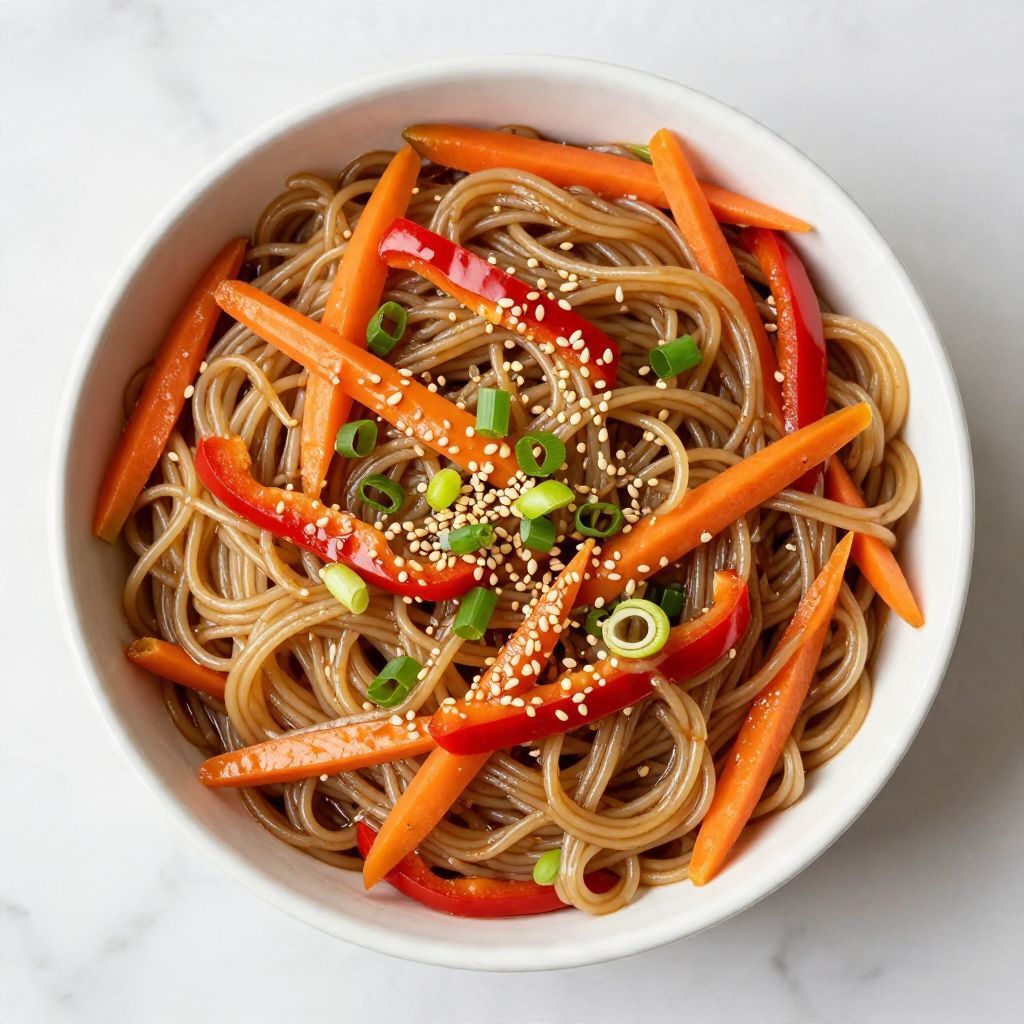
Shirataki Noodles
Ingredients
Equipment
Method
- Open the package of Shirataki noodles and drain them in a colander. Rinse to eliminate any strong odor.
- Chop your mixed vegetables into bite-sized pieces.
- In a large saucepan, heat a tablespoon of sesame oil over medium heat.
- Add the minced garlic and ginger to the pan, cooking for about 30 seconds until fragrant.
- Introduce the mixed vegetables to the pan and stir-fry for about 3-4 minutes until they start to soften.
- Add the rinsed Shirataki noodles to the pan, using a fork or tongs to toss them with the vegetables.
- Pour in the soy sauce, stirring well to coat the noodles and vegetables.
- Cook for another 2-3 minutes until everything is heated through. Serve hot.